9 Pre-Workout Snacks: Eat Right Before Exercise
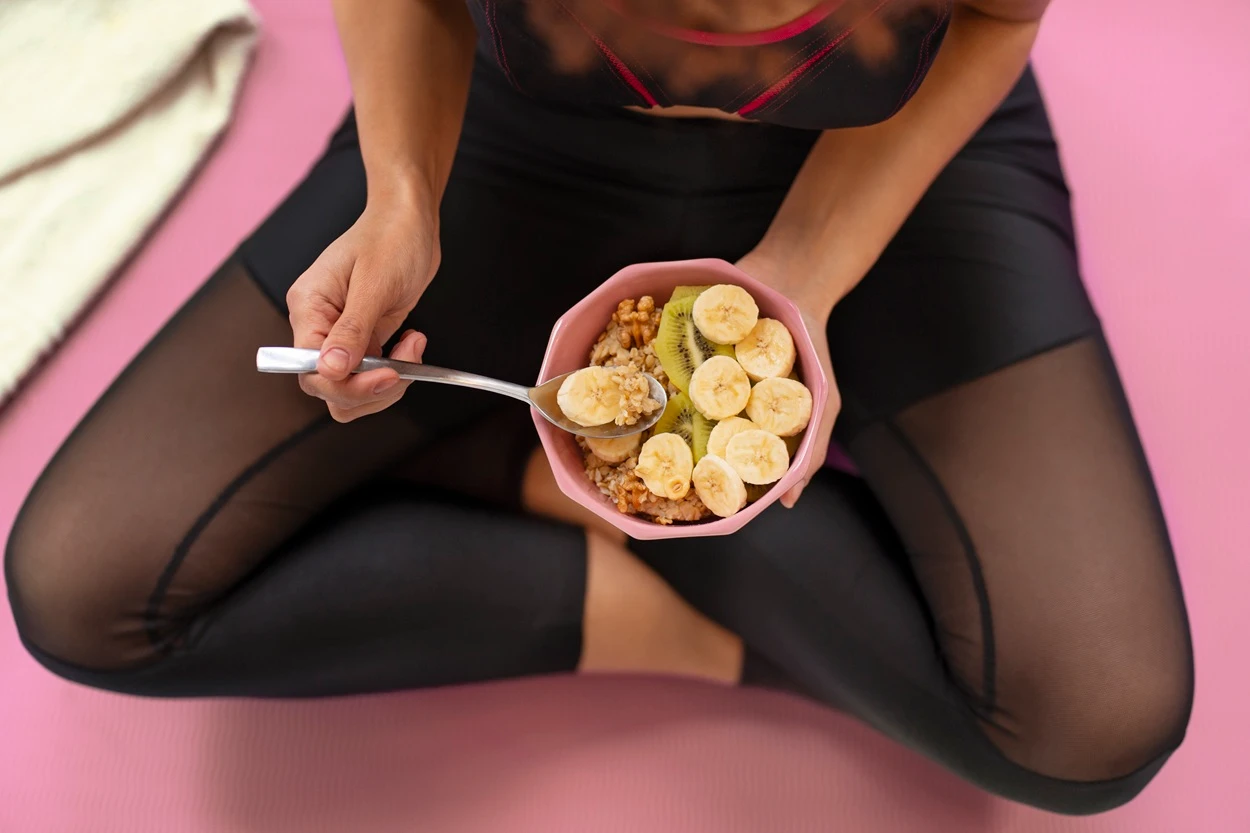


The difference between a mediocre workout and an exceptional one often lies in what you consume beforehand. Research from the International Society of Sports Nutrition reveals that strategic pre-exercise nutrition can improve performance by up to 15% while reducing perceived exertion. Yet many fitness enthusiasts either skip pre-workout fuel entirely or choose foods that hinder rather than enhance their training sessions.
This comprehensive guide examines nine scientifically-backed pre-workout snacks that optimize energy levels, support muscle function, and enhance exercise performance. You'll discover the precise timing, portion sizes, and nutritional science behind each option, enabling you to make informed decisions that align with your fitness goals. Whether you're pursuing muscle gain, endurance improvement, or general fitness, understanding what to eat before workout sessions transforms your training from ordinary to extraordinary.
Your body's energy systems require specific nutrients to function optimally during exercise. Muscle glycogen stores, which fuel high-intensity activities, can be depleted within 60-90 minutes of intense training. Strategic pre-workout nutrition ensures adequate glucose availability while preventing the energy crashes that compromise performance quality.
The best pre-workout meal timing depends on meal size and composition. Large meals require 3-4 hours for complete digestion, while smaller snacks can be consumed 30-60 minutes before exercise. This timing prevents digestive discomfort while ensuring nutrient availability when your muscles need fuel most.
Effective pre-workout nutrition combines easily digestible carbohydrates with moderate protein and minimal fat. Carbohydrates provide immediate energy, protein supports muscle protein synthesis, and limited fat prevents digestive delays. The ideal ratio varies by individual tolerance and exercise duration.
Foods with moderate to high glycemic index values (50-85) provide rapid glucose availability without causing excessive insulin spikes. This approach ensures steady energy release throughout your training session while maintaining blood sugar stability.
Muscle-building goals require adequate protein intake (15-25 grams) combined with carbohydrates to fuel intense resistance training. This combination supports both immediate performance and post-workout recovery processes essential for hypertrophy.
Endurance activities lasting longer than 60 minutes benefit from higher carbohydrate intake (30-60 grams) with minimal protein. This approach maximizes glycogen availability while preventing gastrointestinal distress during prolonged exercise.
This combination provides 20-25 grams of high-quality protein from Greek yogurt, fast-acting carbohydrates from berries, and quick energy from honey. The probiotics in yogurt may also support digestive health during exercise.
Optimal timing: 45-60 minutes before workout
Portion size: 1 cup Greek yogurt, ½ cup berries, 1 tablespoon honey
Bananas offer easily digestible carbohydrates and potassium for muscle function, while almond butter provides sustained energy from healthy fats and protein. This combination ranks among the most popular pre-workout snacks for good reason.
Optimal timing: 30-45 minutes before workout
Portion size: 1 medium banana, 1-2 tablespoons almond butter
Steel-cut oats provide complex carbohydrates for sustained energy release, while apples add natural sugars and fiber. Cinnamon may help regulate blood sugar levels during exercise.
Optimal timing: 60-90 minutes before workout
Portion size: ½ cup cooked oatmeal, 1 small apple, ½ teaspoon cinnamon
This combination offers complex carbohydrates from whole grains and healthy monounsaturated fats from avocado. The fiber content provides sustained energy without causing blood sugar spikes.
Optimal timing: 45-60 minutes before workout
Portion size: 1 slice whole grain bread, ½ medium avocado
Liquid nutrition allows for faster digestion and nutrient absorption. Combining whey or plant-based protein with fruits creates an ideal pre-workout meal for muscle gain while ensuring rapid energy availability.
Optimal timing: 30-45 minutes before workout
Portion size: 1 scoop protein powder, 1 cup mixed fruits, 1 cup liquid base
Rice cakes provide quick-digesting carbohydrates, while nut butter adds protein and healthy fats. This combination is particularly effective for early morning workouts when digestive capacity may be limited.
Optimal timing: 30-45 minutes before workout
Portion size: 2 rice cakes, 1-2 tablespoons nut butter
A carefully balanced trail mix provides immediate energy from dried fruits and sustained fuel from nuts. Choose options with minimal added sugars to avoid energy crashes during exercise.
Optimal timing: 45-60 minutes before workout
Portion size: ¼ cup mixed trail mix
Cottage cheese offers slow-digesting casein protein, while pineapple provides quick carbohydrates and bromelain enzymes that may support recovery. This combination works well for longer training sessions.
Optimal timing: 60-75 minutes before workout
Portion size: ½ cup cottage cheese, ½ cup fresh pineapple
Homemade energy balls combine natural sugars from dates with protein and healthy fats from nuts. These portable snacks offer controlled portions and customizable ingredients.
Optimal timing: 30-45 minutes before workout
Portion size: 2-3 energy balls (approximately 1-inch diameter)
Resistance training benefits from pre-workout meals consumed 45-90 minutes beforehand. This timing allows for adequate digestion while ensuring amino acid availability for muscle protein synthesis during and after exercise.
Cardio workouts, particularly high-intensity sessions, require careful timing to prevent gastrointestinal distress. Lighter snacks consumed 30-45 minutes before cardio typically provide optimal results.
Morning exercisers face unique challenges with limited time for digestion. Quick-digesting options like bananas, dates, or diluted sports drinks can provide necessary fuel without causing stomach upset.
Did You Know?
Research from the Journal of Sports Medicine and Physical Fitness found that athletes who consumed a balanced pre-workout snack 45 minutes before training showed 12% greater power output and 18% improved endurance compared to those who exercised fasted. The study also revealed that proper pre-exercise nutrition reduced post-workout muscle soreness by up to 23%.
Consuming large portions too close to workout time can cause digestive discomfort, nausea, and reduced performance. Stick to appropriate portion sizes based on timing and individual tolerance levels.
While healthy in general contexts, high-fat and high-fiber foods slow digestion and can cause gastrointestinal distress during exercise. Reserve these foods for post-workout meals or consume them several hours before training.
Pre-workout nutrition tolerance varies significantly between individuals. Experiment with different options during training sessions rather than trying new foods before important competitions or challenging workouts.
Choose easily digestible options like a banana, a few dates, or a small smoothie. These foods provide quick energy without causing digestive issues during exercise.
Eating a small pre-workout snack can improve exercise performance and calorie burn, while post-workout nutrition supports recovery. For weight loss, focus on total daily calorie balance rather than specific meal timing.
Wait 30-60 minutes after small snacks and 2-4 hours after large meals. Individual tolerance varies, so experiment to find your optimal timing.
Coffee can enhance performance due to caffeine content, but it's not a complete pre-workout option. Combine coffee with a small carbohydrate source for optimal results.
Reduce portion sizes, increase timing between eating and exercise, or choose blander options like crackers or toast. Persistent nausea may indicate food intolerances requiring professional evaluation.
Strategic pre-workout nutrition significantly impacts exercise performance, energy levels, and training outcomes. The nine snacks outlined in this guide provide scientifically-backed options for various fitness goals, from muscle gain to endurance improvement. Remember that optimal pre-workout nutrition depends on individual tolerance, exercise type, and timing preferences. Start with smaller portions and adjust based on your body's response to find the perfect pre-exercise fuel for your fitness journey. Proper nutrition is an investment in your performance that pays dividends in every training session.




Someone sent you


