A Step-by-Step Guide to Optimal Hydration While Working Out
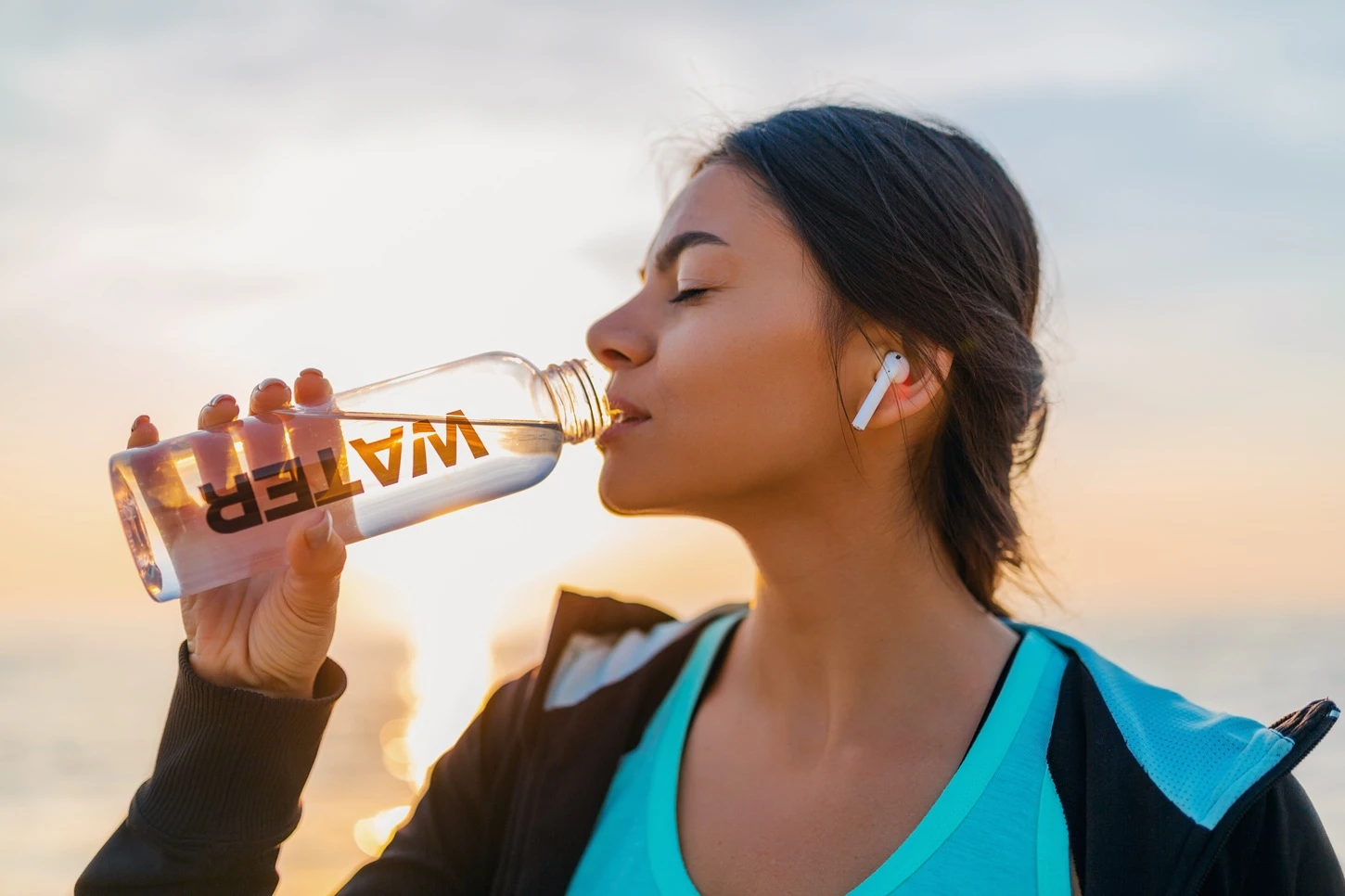


Water supports every workout, but one fixed target does not suit everyone. Your needs change with body weight, sweat rate, workout length, and exercise intensity. This guide explains how much water should you drink while working out and how to adjust your intake with simple steps.
You will learn when to drink water, how to spot dehydration, when electrolytes may help, and how to create a personal hydration plan.
Water helps the body move blood and regulate heat. It also supports muscle function and focus. When fluid levels fall, the heart works harder to move blood. This can reduce endurance and workout output.
Low fluid levels may cause fatigue, weaker effort, and poor focus. You may also feel dizzy or develop muscle cramps. These effects can appear sooner in heat, humidity, or long sessions.
Pro Tip: Let thirst guide adjustments
Use thirst, urine color, sweat loss, and workout conditions together. A fixed water target cannot reflect every body or session.
Start with 16 to 20 ounces of water about two hours before exercise. This gives your body time to absorb the fluid. It also gives you time to use the restroom before training.
Drink slowly rather than taking a large amount at once. If you still feel thirsty near the start, take small sips. Pre workout hydration matters more before long, intense, or hot sessions.
A common range is 4 to 10 ounces every 10 to 20 minutes. Treat this as a starting point, not a rule for every person. Longer and harder sessions often need more fluid. Short, easy sessions may need less.
Cardio can raise fluid needs through steady sweat loss. Strength training may need less fluid during a short session. Endurance training needs closer tracking because exposure lasts longer. Heat and humidity can raise needs for any workout.
Sweat rate differs by person. Body weight also affects total fluid needs. To test your sweat rate, weigh yourself before and after a session. Record the water you drink during training. Compare the change across similar workouts.
For each pound lost during exercise, replace about 16 to 24 ounces of fluid. Do not force large amounts quickly. Drinking more than your body needs can also create risk, especially during long sessions.
Post workout hydration helps restore fluid balance. Drink water soon after training. If you lost a lot of sweat, continue drinking over the next few hours. Your body can absorb moderate amounts better than one very large serving.
Water is the default choice for many workouts. Electrolytes may matter during prolonged or high-intensity exercise. Sodium and potassium leave the body through sweat. An electrolyte drink may help replace them when sweat loss is high. When choosing a hydration product, look for Superior ingredients, highly absorbable formats, palatable flavors to ensure your body gets what it needs efficiently.
Choose based on workout length, heat, sweat rate, and taste. Avoid treating an electrolyte drink as necessary for every short session.
Watch for unusual fatigue, muscle cramps, dizziness, and dark urine. Stop exercising if symptoms feel strong, worsen, or affect balance and focus. Move to a cool place and drink slowly. Seek medical help for severe or persistent symptoms.
Water supports nutrient transport and normal muscle function. It also supports recovery after training. There is no single water amount that guarantees muscle growth. A steady intake, enough food, and suitable training work together.
Step 1: Set a daily baseline. A general reference range is 2.7 to 3.7 liters across the day. This includes fluids from drinks and food.
Step 2: Add exercise fluids. Start with 16 to 20 ounces two hours before training. During exercise, try 4 to 10 ounces every 10 to 20 minutes.
Step 3: Track your response. Note thirst, urine color, body weight, cramps, and energy. Repeat this during similar sessions.
Step 4: Adjust for sweat and weather. Add fluids for longer sessions, heat, humidity, or heavy sweat loss. Use electrolytes when prolonged exercise causes major sweat loss.
Water is the default choice. Use an electrolyte drink when exercise is long, intense, hot, or causes heavy sweat loss.
Diluted squash can count as part of your fluid intake. Check the sugar content, since sweet drinks can add extra sugar.
Replace about 16 to 24 ounces for each pound lost. Drink it steadily after exercise rather than all at once.
Yes. Drinking water after exercise is important for fluid restoration and recovery.
The right water intake depends on your body, sweat rate, workout, and environment. Start with a simple schedule, then adjust it with thirst, body weight, and symptoms. Water supports performance and recovery, while electrolytes may help after long or sweaty sessions. Wellbeing Nutrition offers products and resources focused on everyday wellness.




Someone sent you


