Beginner's Guide: Whey Protein Isolate Routine
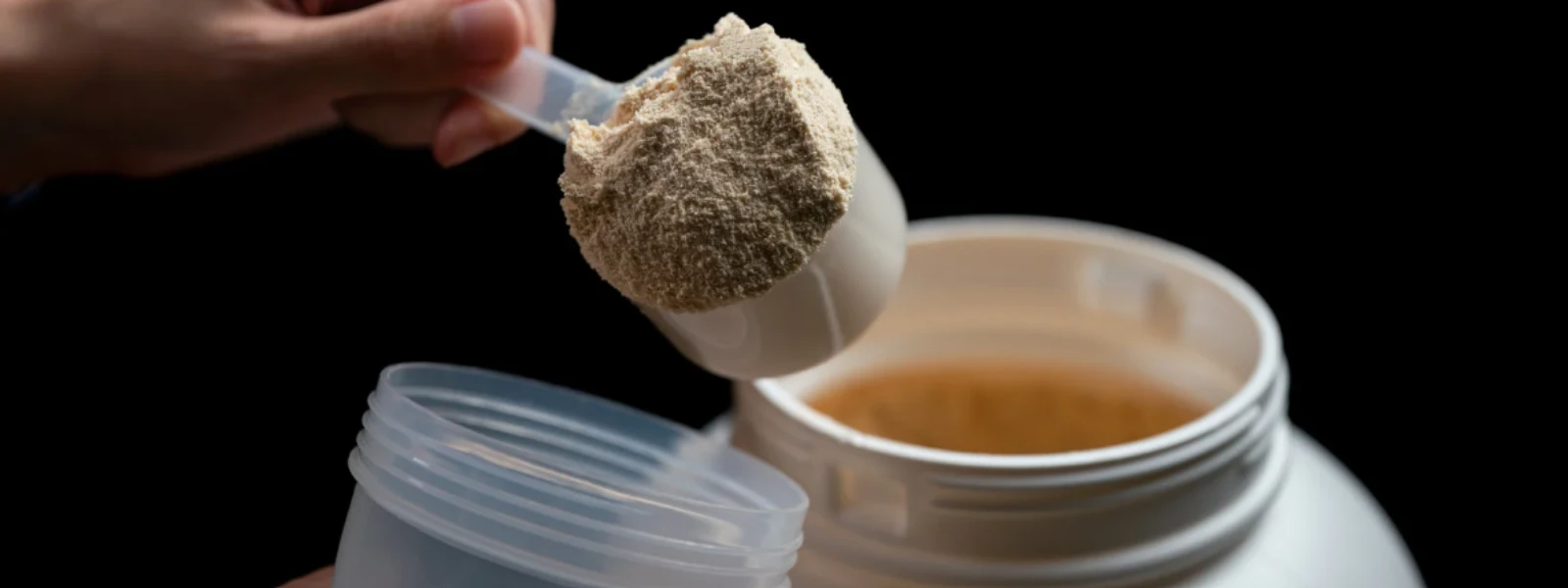


Starting a fitness journey can feel overwhelming, especially when it comes to protein supplementation. Many beginners make the mistake of either taking too much protein at once or choosing the wrong type for their goals. Understanding how to create an effective whey protein isolate daily routine for beginners can make the difference between seeing real results and wasting your investment.
Whey protein isolate stands out from other protein types due to its superior purity and absorption rate. Unlike regular whey concentrate, isolate contains over 90% protein with minimal lactose and fat. This guide will walk you through creating a step-by-step routine that maximizes muscle gain and recovery, specifically designed for new athletes and fitness enthusiasts who want to see measurable results.
Whey protein isolate offers several advantages that make it ideal for beginners. The high protein concentration means you get more muscle-building nutrients per serving without excess calories from carbohydrates or fats. This makes it easier to meet your daily protein targets without disrupting your overall nutrition plan.
The faster absorption rate of whey protein isolate helps kickstart muscle recovery immediately after your workout. Your muscles can utilize these amino acids within 30 minutes of consumption, making it perfect for post-workout nutrition. Additionally, the lower lactose content makes it suitable for people with mild dairy sensitivities who might struggle with regular whey concentrate.
Protein synthesis is the process where your body repairs and builds new muscle tissue. When you exercise, you create microscopic tears in your muscle fibers. Whey protein for muscle gain provides the essential amino acids needed to repair these tears and build stronger, larger muscles.
Leucine, one of the key amino acids in whey protein isolate, acts as a trigger for muscle protein synthesis. Research shows that consuming 2.5-3 grams of leucine can stimulate this process effectively. A typical 25-gram serving of whey protein isolate contains approximately 2.5 grams of leucine, making it an efficient choice for muscle building.
Did You Know?
Your body can only utilize about 20-25 grams of protein per meal for muscle building. Taking more than this amount at once won't necessarily lead to better results and may be wasteful.
As a beginner, your protein needs depend on your body weight, activity level, and fitness goals. The general recommendation for active individuals is 1.6-2.2 grams of protein per kilogram of body weight daily. For someone weighing 70 kilograms (154 pounds), this translates to 112-154 grams of protein per day.
Your whey protein isolate dosage should complement, not replace, protein from whole food sources. Aim to get 60-70% of your protein from foods like chicken, fish, eggs, and legumes, with supplements filling the remaining gap. This typically means 1-2 servings of whey protein isolate per day for most beginners.
When selecting a whey protein isolate, look for products that provide 20-25 grams of protein per serving with minimal added ingredients. Third-party testing for purity and potency ensures you're getting what's listed on the label. Avoid products with excessive artificial sweeteners or fillers that might cause digestive discomfort.
Start with a single serving size and monitor how your body responds. Some beginners may experience mild digestive upset initially, which usually resolves as your system adapts to increased protein intake.
The concept of a strict 30-minute anabolic window has been largely debunked by recent research. However, consuming your post workout protein shake within 2 hours of training still provides benefits for muscle recovery and growth. The key is consistency rather than precise timing.
For morning workouts, having your protein shake immediately after training can help kickstart your day's nutrition. Evening exercisers might benefit from splitting their protein intake, having a smaller serving post-workout and another before bed to support overnight recovery.
A basic protein shake for beginners should be simple and easy to digest. Mix one scoop (25-30 grams) of whey protein isolate with 8-12 ounces of water or low-fat milk. Water provides faster absorption, while milk adds extra protein and carbohydrates for sustained energy.
Enhance your shake's nutritional value by adding a banana for natural carbohydrates and potassium, or a handful of berries for antioxidants. Avoid adding too many ingredients initially, as this can complicate digestion and mask any potential sensitivities to the protein powder itself.
On workout days, prioritize your protein supplements for performance around your training schedule. If you train in the morning, have your first protein shake within an hour of waking up, then another post-workout. Evening trainers should focus on post-workout consumption and consider a second serving 3-4 hours later.
Spacing your protein intake throughout the day optimizes muscle protein synthesis. Rather than consuming large amounts at once, aim for 20-25 gram servings every 3-4 hours to maintain steady amino acid levels in your bloodstream.
Don't skip protein supplementation on rest days. Your muscles continue repairing and growing during recovery periods. Maintain your daily protein targets by having one serving of whey protein isolate, preferably in the morning or between meals when whole food protein intake might be lower.
Rest days are perfect for experimenting with different whey protein isolate uses beyond basic shakes. Try mixing it into oatmeal, yogurt, or homemade protein pancakes to add variety to your routine.
Muscle recovery supplements work synergistically when combined properly. Whey protein isolate pairs well with creatine monohydrate, which can be mixed directly into your post-workout shake. The combination supports both immediate recovery and long-term strength gains.
Consider adding a magnesium supplement to your evening routine to support muscle relaxation and sleep quality. Quality sleep is crucial for muscle recovery and growth, making this combination particularly beneficial for beginners establishing healthy habits.
Avoid taking calcium supplements with your whey protein shake, as calcium can interfere with protein absorption. Space these supplements at least 2 hours apart for optimal effectiveness.
Monitor your body's response to your protein routine through simple metrics like energy levels, workout performance, and recovery time between sessions. Take progress photos and measurements every 2-3 weeks rather than relying solely on scale weight, as muscle gain might offset fat loss.
If you're not seeing expected results after 4-6 weeks, consider adjusting your total daily protein intake or timing. Some individuals may benefit from slightly higher protein amounts, while others might need to focus more on consistency rather than quantity.
Beginners should start with 25-50 grams of whey protein isolate per day, typically split into 1-2 servings. This amount should complement your whole food protein intake to reach your total daily protein goal of 1.6-2.2 grams per kilogram of body weight.
The best times are post-workout within 2 hours of training, first thing in the morning, or between meals when you need to boost your protein intake. Consistency matters more than exact timing, so choose times that fit your schedule and stick to them.
Yes, you should continue taking whey protein isolate on rest days to support ongoing muscle recovery and maintain your daily protein targets. Your muscles continue repairing and growing even when you're not actively training.
Most beginners notice improved recovery within 1-2 weeks of consistent use. Visible muscle development typically becomes apparent after 4-6 weeks when combined with regular resistance training and proper nutrition.
Both options work well. Water provides faster absorption and fewer calories, making it ideal post-workout. Milk adds extra protein and carbohydrates, which can be beneficial for meal replacement or when you need sustained energy.
Creating an effective whey protein isolate routine doesn't have to be complicated. Focus on consistency, proper timing, and listening to your body's response. Start with the basic guidelines outlined here and adjust based on your individual needs and goals. Remember that protein supplementation works best when combined with regular exercise and a balanced diet. As you progress in your fitness journey, you can refine your routine to match your evolving needs and performance goals.




Someone sent you
Powered by ReferRush


