Boost Your Muscle Recovery: A Cold Shower Guide After the Gym
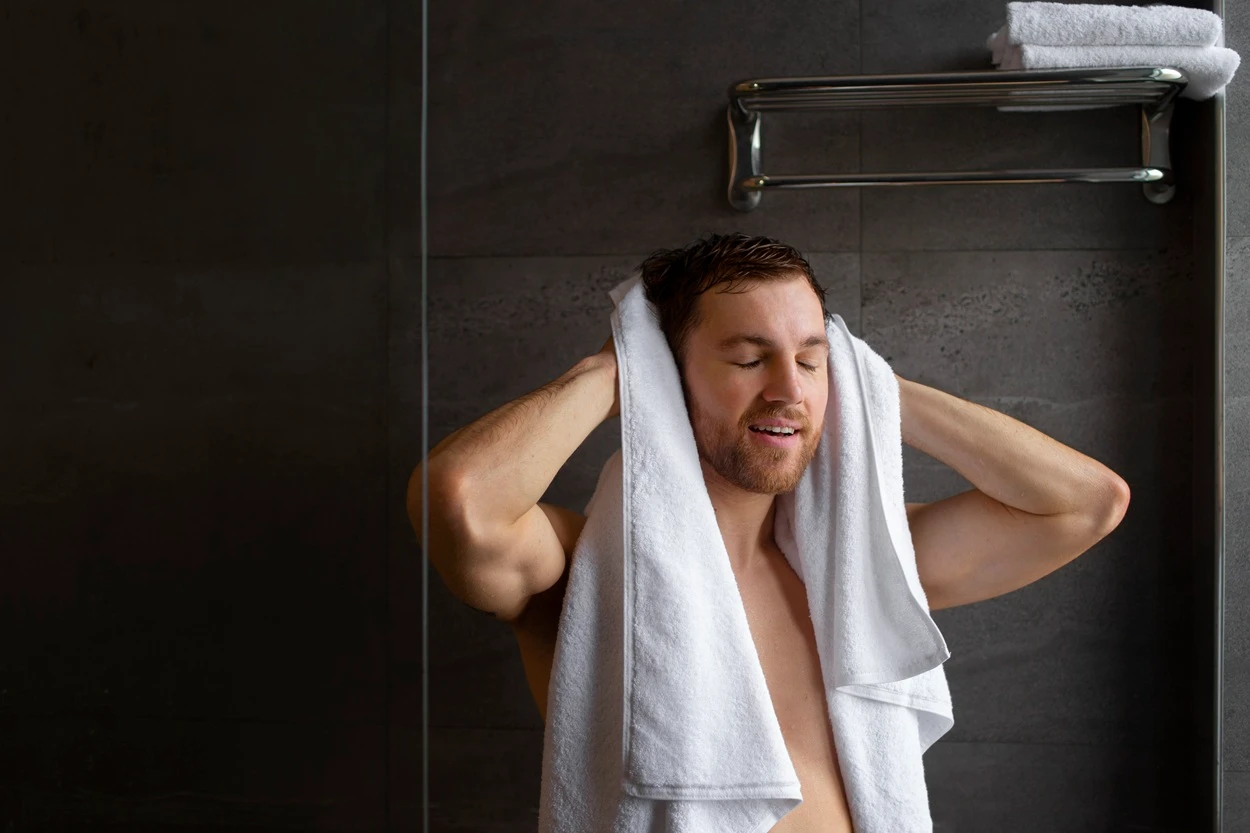


After a hard gym session, sore muscles can make the next workout feel harder. A cold shower may help, but timing, water temperature, and duration matter. This guide explains whether cold showers are good for muscle recovery after the gym. It also covers cold therapy, soreness, performance, and safe ways to use cold water.
Cold water causes blood vessels near the skin to narrow, a process called vasoconstriction. It may help limit swelling after exercise. It can also reduce some soreness signals from tired muscles.
Hard training can place stress on muscle tissue. The body responds with repair signals and short-term swelling. Cold water may reduce blood flow near the skin for a short time. This may ease the feeling of soreness.
Cold showers may support muscle recovery and post workout recovery. They do not replace rest, food, fluids, or a sound training plan.
Cold water can feel intense and alerting. Some explanations suggest that this strong feeling may make the body feel recovered sooner. The exact brain pathway is not clear from the available information. So, treat this as a possible comfort effect, not proof of faster tissue repair.
Did You Know?
Cold water may change how sore you feel. That does not always mean the muscle has fully healed.
A cold shower is easy to use and needs no special setup. Yet, the water may warm as it moves over the body. A shower also gives less control over the exact temperature.
An ice bath offers more even contact and tighter temperature control. It is also more demanding and less convenient. Both methods fall under cold therapy. The available evidence does not prove that one always recovers muscles faster.
Cold water studies often use temperatures near 10–15°C. These conditions may differ from a normal home shower. Keep that difference in mind when judging ice bath benefits.
Heat and cold may help at different points after exercise. Heat may feel better right after training. It can feel relaxing and comfortable when muscles feel tight.
Cold may offer more relief at the 24-hour point after exercise. Research comparing heat and cold therapy suggests that cold may be more useful for later soreness, while heat may feel better soon after activity.
This does not make heat or cold right for every session. Your goal matters. Choose comfort after light training. Consider cold when soreness may affect your next session.
For soreness and inflammation, many people use cold water soon after exercise. This is also a practical time because the shower follows the workout.
Cold therapy may also matter during the next one to two days. Delayed-onset muscle soreness, or DOMS, often feels strongest between 24 and 48 hours after training. A cold shower during this window may help reduce the soreness you feel.
Morning use can support alertness, but it is not proven to improve recovery more than another time. Use the timing that fits your training and daily routine.
Start with a normal shower. Then use cold water for two to five minutes. A temperature near 10–15°C matches the range noted in available research.
If a full cold shower feels too difficult, finish with the last 30 seconds cold. You can slowly build toward a longer exposure. Stop if you feel unwell, dizzy, or unusually distressed.
Use cold showers when soreness affects your comfort or training plan. Current evidence does not set a proven daily frequency. More exposure is not automatically better.
Cold water may increase alertness for a short time. It may also support the feeling of improved circulation as the body responds to changing blood flow. Some people also report skin benefits after cold water exposure. Cold showers can be used in any season, including winter, and are broadly considered a simple, accessible wellness habit.
These effects differ from person to person. They also do not prove better athletic performance. Cold showers may support body recovery, but they should sit beside sleep, meals, fluids, and planned exercise recovery.
Cold exposure may reduce soreness. Yet, there is a concern that frequent cold use could blunt some training adaptations linked to muscle growth. The available evidence flags this debate but does not provide enough evidence to settle it.
If muscle size is your main goal, avoid treating cold water as a required step after every strength session. If reducing soreness is your main goal, a short session may feel useful. Keep your wider training goal in view.
A cold shower may help reduce soreness and inflammation. Temperature, timing, and duration matter most. It is not the only part of recovery.
DOMS often peaks 24–48 hours after hard exercise. That is why leg soreness may feel strongest two days after training. Cold therapy may help during this period.
The available research does not establish that cold showers increase testosterone. More specific evidence would be needed before making that claim.
Existing studies do not confirm a specific 30-day effect on recovery or athletic performance. You may notice repeated alertness or changes in comfort, but cumulative results are not established here.
Cold showers may help reduce muscle soreness after the gym. A two-to-five-minute session at 10–15°C is the main protocol noted here. Cold may help more with later soreness, while heat may feel better right after training. Use cold therapy with rest, food, fluids, and a balanced exercise recovery plan. Wellbeing Nutrition also offers products focused on collagen, whey protein, and Triple Magnesium Complex, crafted with superior ingredients, highly absorbable formats, and palatable flavors to support your everyday wellness routine.




Someone sent you


