Can You Mix Whey Protein with Greek Yogurt? Your Questions Answered
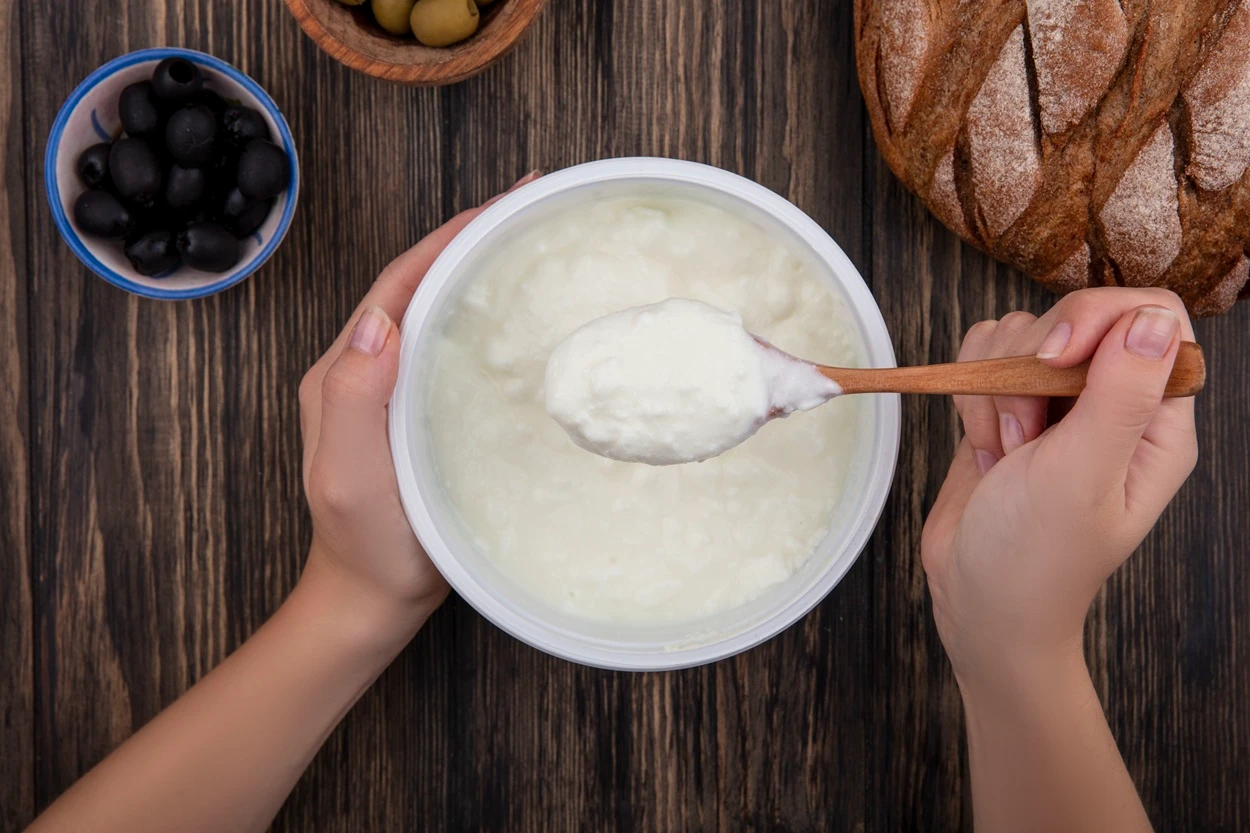


Many fitness enthusiasts and health-conscious individuals wonder whether combining two nutritional powerhouses: whey protein and Greek yogurt is not only safe but beneficial. This protein-packed combination has gained significant attention in the sports nutrition community, with good reason. Greek yogurt naturally contains approximately 15-20 grams of protein per serving, while whey protein powder can add another 20-30 grams, creating a formidable high protein snack or meal replacement.
This comprehensive guide will explore the science behind mixing whey protein with Greek yogurt, examining the nutritional benefits, optimal preparation methods, timing strategies, and potential considerations. You'll discover evidence-based insights into protein absorption, digestive compatibility, and practical applications that can enhance your fitness and nutrition goals. Whether you're seeking the best way to consume whey protein or looking for innovative high protein snack ideas, this analysis will provide the scientific foundation you need to make informed decisions about this popular combination.
The combination of whey protein and Greek yogurt creates a unique protein profile that leverages both fast-absorbing and slow-releasing proteins. Whey protein, derived from milk during cheese production, is classified as a complete protein containing all nine essential amino acids. Greek yogurt primarily contains casein protein, which digests more slowly than whey, creating a sustained amino acid release.
Research indicates that combining fast and slow proteins can optimize muscle protein synthesis over extended periods. The leucine content in whey protein (approximately 2.5-3 grams per 25-gram serving) triggers muscle protein synthesis, while the casein in Greek yogurt provides sustained amino acid availability for up to 4-6 hours.
Greek yogurt contains beneficial probiotics, including Lactobacillus bulgaricus and Streptococcus thermophilus, which can enhance protein digestion and absorption. These live cultures may help break down protein molecules more efficiently, potentially reducing digestive discomfort that some individuals experience with whey protein alone.
The fermentation process that creates Greek yogurt also produces enzymes that can aid in protein metabolism. Studies suggest that the probiotic content in Greek yogurt may improve overall gut health, which is crucial for optimal nutrient absorption and immune function.
The whey protein yogurt benefits extend beyond simple protein addition. This combination provides approximately 35-50 grams of high-quality protein per serving, meeting or exceeding the 20-30 gram threshold research suggests is optimal for maximizing muscle protein synthesis in most individuals.
The complementary amino acid profiles create a more complete nutritional foundation for muscle recovery. Whey protein's rapid absorption provides immediate post-workout muscle repair signals, while Greek yogurt's casein content ensures prolonged amino acid availability during recovery periods.
Protein is the most satiating macronutrient, and this combination maximizes that benefit. Research demonstrates that consuming 30+ grams of protein in a single meal can significantly reduce hunger hormones and increase feelings of fullness for 3-4 hours.
The thick, creamy texture of Greek yogurt combined with whey protein creates a satisfying consistency that can help control appetite and reduce overall caloric intake throughout the day.
Did You Know? - Metabolic Advantage
Combining whey protein with Greek yogurt can increase your metabolic rate by up to 15% for 2-3 hours post-consumption due to the thermic effect of protein. This means your body burns more calories simply digesting and processing this protein-rich combination compared to carbohydrates or fats.
The ideal ratio for mixing whey protein and Greek yogurt depends on your specific protein goals and taste preferences. A standard recommendation is 1 scoop (25-30 grams) of whey protein powder to 6-8 ounces (170-225 grams) of plain Greek yogurt.
For best results, add the whey protein powder gradually while stirring to prevent clumping. Allow the mixture to sit for 2-3 minutes after initial mixing, then stir again to ensure complete dissolution. This resting period allows the protein powder to fully hydrate and integrate with the yogurt's consistency.
To optimize texture, consider using a small whisk or fork to break up any protein powder clumps. Some individuals prefer adding a small amount of liquid (water, milk, or unsweetened almond milk) to achieve their desired consistency.
For flavor enhancement without compromising nutritional goals, consider adding fresh berries, a small amount of natural vanilla extract, or a sprinkle of cinnamon. These additions provide antioxidants and natural sweetness without added sugars.
The post-workout period, often called the "anabolic window," represents an optimal time for consuming this protein combination. Research suggests consuming protein within 30-60 minutes post-exercise maximizes muscle protein synthesis and recovery benefits.
The dual-protein nature of this combination makes it particularly effective post-workout, as the whey protein provides immediate amino acid availability while the casein in Greek yogurt supports extended recovery periods.
Greek yogurt's casein content makes this combination valuable as an evening snack or pre-sleep protein source. Casein protein can provide steady amino acid release throughout the night, supporting muscle recovery and maintenance during sleep.
As a between-meal snack, this combination can help maintain stable blood sugar levels and prevent muscle protein breakdown during extended periods without food intake.
Individuals with lactose intolerance should exercise caution, as both whey protein and Greek yogurt contain lactose. However, Greek yogurt typically contains less lactose than regular yogurt due to the straining process, and many whey protein isolates have minimal lactose content.
Those with mild lactose sensitivity may find this combination more tolerable than consuming whey protein with milk, as the probiotics in Greek yogurt can aid in lactose digestion.
This protein combination is relatively calorie-dense, typically containing 250-350 calories per serving. Individuals monitoring caloric intake should account for these calories within their daily nutritional goals.
The combination is naturally low in carbohydrates (8-15 grams) and contains minimal fat (0-5 grams), making it suitable for various dietary approaches including low-carb diets.
Compared to traditional protein shakes made with water or milk, the whey protein and Greek yogurt combination provides superior nutritional density. While a standard whey protein shake with water contains 20-25 grams of protein, this combination delivers 35-50 grams along with beneficial probiotics and additional micronutrients.
Compared to other high protein snack ideas like protein bars or nuts, this combination offers better protein quality and digestibility while providing more protein per calorie consumed.
From a cost perspective, this combination often provides better value than pre-made protein drinks or bars. Greek yogurt is widely available and relatively affordable, while whey protein powder offers excellent cost-per-gram protein value.
The convenience factor is moderate, requiring minimal preparation time but needing refrigeration for the yogurt component, making it ideal for home consumption or office environments with refrigeration access.
Whey protein concentrate (WPC) typically blends well with Greek yogurt due to its slightly creamier texture and natural flavor profile. WPC contains 70-80% protein by weight and retains more of the natural milk components that can complement yogurt's taste.
Whey protein isolate (WPI) offers higher protein concentration (90%+ protein by weight) and lower lactose content, making it suitable for those with lactose sensitivities. However, WPI may require more thorough mixing to achieve optimal texture.
Unflavored whey protein provides maximum versatility, allowing you to control sweetness and flavor additions. This option works particularly well with Greek yogurt, as you can customize the taste with natural ingredients.
Flavored whey proteins can enhance palatability but may contain artificial sweeteners or flavors. Vanilla and strawberry flavors typically complement Greek yogurt well, while chocolate flavors may create an unusual taste combination.
To maximize the nutritional value of your whey protein and Greek yogurt combination, consider adding nutrient-dense ingredients. Fresh or frozen berries provide Vitamin C, antioxidants, and fiber without significantly increasing calories.
A small amount of ground flaxseed or chia seeds can add omega-3 fatty acids and additional fiber. These additions complement the protein base while providing essential micronutrients often lacking in standard protein supplements.
The high protein content of this combination increases your body's water requirements for optimal protein metabolism. Ensure adequate hydration when consuming this protein-rich snack, particularly post-workout when fluid replacement is crucial.
Consider the sodium content in Greek yogurt (typically 50-100mg per serving) as part of your overall electrolyte balance, especially if consuming this combination multiple times daily.
Yes, you can safely consume this combination daily as part of a balanced diet. The high-quality protein content supports daily nutritional needs, and the probiotics in Greek yogurt can contribute to digestive health. However, ensure this fits within your overall caloric and macronutrient goals.
Most individuals tolerate this combination well, and the probiotics in Greek yogurt may actually improve protein digestion. Those with lactose intolerance should start with small portions to assess tolerance, as both ingredients contain lactose.
The mixture should be consumed within 2-3 hours if left at room temperature, or within 24 hours if refrigerated. For food safety, prepare only what you plan to consume relatively quickly, as the protein powder can affect the yogurt's preservation properties.
No, mixing these ingredients does not reduce protein quality. Both whey protein and Greek yogurt contain complete proteins with all essential amino acids. The combination may actually enhance overall protein utilization due to the different absorption rates.
While this combination provides substantial protein, it may lack sufficient carbohydrates and fats for a complete meal replacement. Consider adding fruits for carbohydrates and nuts or seeds for healthy fats to create a more balanced meal replacement option.
Mixing whey protein with Greek yogurt represents a scientifically sound approach to maximizing protein intake while leveraging the unique benefits of both fast and slow-digesting proteins. This combination provides 35-50 grams of high-quality protein, beneficial probiotics, and enhanced satiety compared to traditional protein supplements alone. The synergistic effects of whey protein's rapid absorption and Greek yogurt's sustained amino acid release create an optimal environment for muscle recovery, growth, and maintenance.
The versatility of this combination makes it suitable for various timing strategies, from post-workout recovery to evening snacks that support overnight muscle maintenance. While individuals with lactose sensitivity should exercise caution, most people can safely incorporate this protein-rich combination into their daily nutrition routine.
For those seeking evidence-based nutrition strategies that combine convenience with scientific efficacy, this whey protein and Greek yogurt combination offers a practical solution backed by current sports nutrition research. Consider exploring additional high-quality protein sources and consulting with nutrition professionals to develop a comprehensive approach to your fitness and health goals.


Someone sent you
Powered by ReferRush


