Creatine Monohydrate Guide 2026: Expert Insights on Dosage & Intake
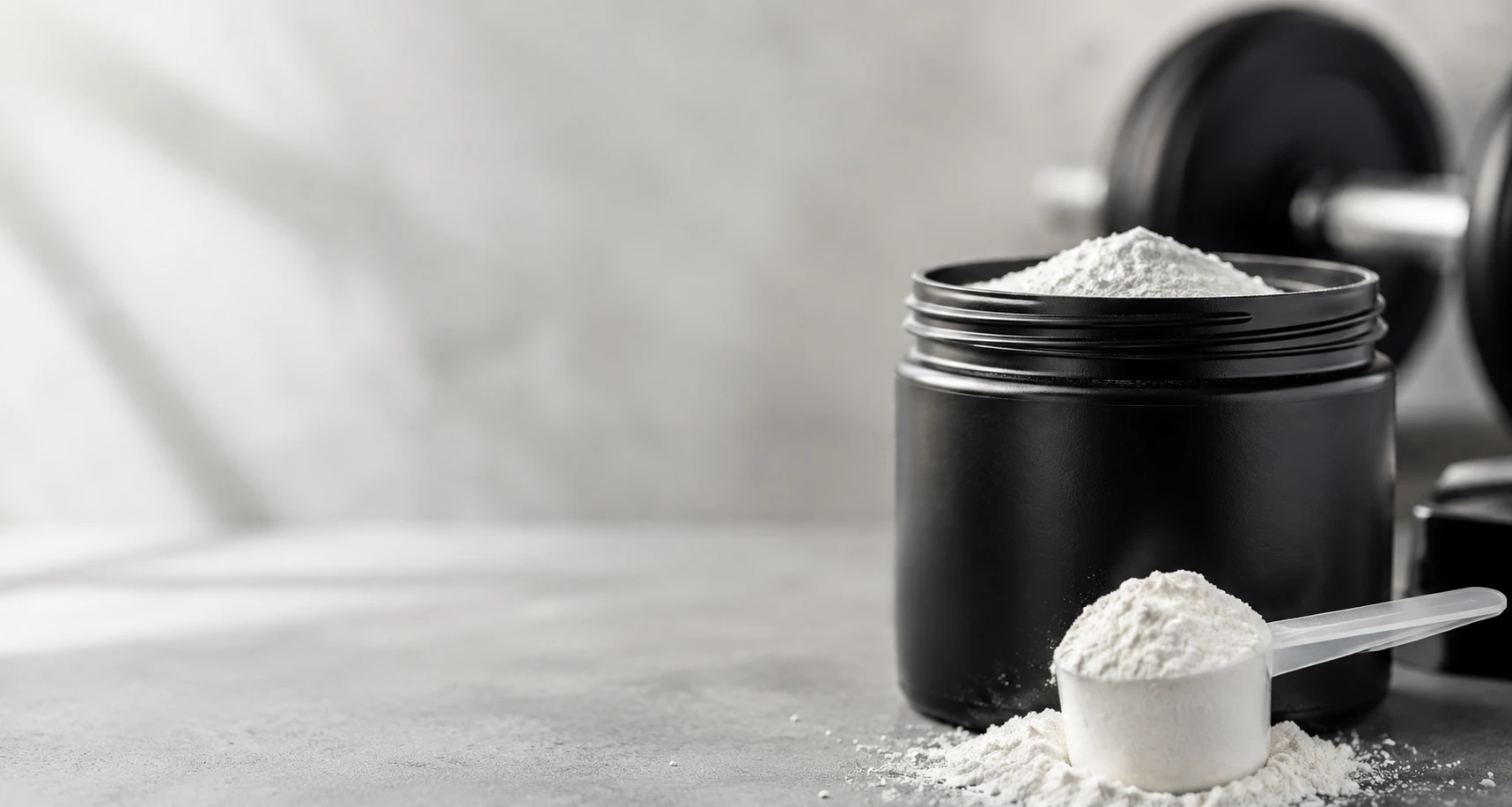


The fitness and sports nutrition landscape has evolved dramatically, yet creatine monohydrate remains the gold standard supplement backed by over three decades of scientific research. As we enter 2026, new studies continue to validate its efficacy while debunking persistent myths that have clouded consumer understanding. This comprehensive creatine monohydrate guide 2026 synthesizes the latest peer-reviewed research, expert insights, and practical applications to provide you with evidence-based strategies for optimal supplementation.
Whether you're a competitive athlete, fitness enthusiast, or health-conscious individual seeking cognitive benefits, this guide will equip you with precise dosage protocols, timing strategies, and selection criteria for maximizing creatine's potential. You'll discover how recent research has refined our understanding of individual response variations, learn to navigate the overwhelming supplement market with confidence, and implement scientifically-proven protocols that align with your specific goals.
Creatine monohydrate functions as a critical component in your body's phosphocreatine energy system. It rapidly regenerates adenosine triphosphate (ATP) during high-intensity activities. This naturally occurring compound is found primarily in skeletal muscle tissue. It enables explosive movements and sustained power output by providing immediate energy replenishment at the cellular level.
The monohydrate form demonstrates superior bioavailability compared to alternative creatine variants. Absorption rates reach 95% when consumed under optimal conditions. The creatine monohydrate's molecular structure allows for efficient transport across intestinal barriers and subsequent uptake into muscle cells.
Emerging studies reveal creatine's neuroprotective properties. Clinical trials demonstrate improved cognitive function, particularly in tasks requiring rapid decision-making and mental fatigue resistance. The compound's role in brain energy metabolism has positioned it as a promising supplement for cognitive enhancement beyond its traditional athletic applications.
The best creatine monohydrate products undergo rigorous third-party testing for purity, potency, and contaminant screening. Look for certifications from NSF International, Informed Sport, or USP verification. These ensure products meet pharmaceutical-grade standards and are free from banned substances.
Creatine monohydrate powder offers superior cost-effectiveness and dosing flexibility. It allows for precise measurements and easier mixing with other supplements. While capsules provide convenience, powder formulations typically deliver faster dissolution rates and improved absorption when properly mixed with appropriate liquids.
Premium creatine monohydrate utilizes synthetic production methods rather than animal-derived sources. This approach ensures consistent purity levels above 99.9%. It eliminates potential contaminants associated with lower-grade manufacturing processes.
The traditional loading phase involves consuming 20 grams daily for 5-7 days. This is divided into 4 doses of 5 grams each. It's followed by a maintenance dose of 3-5 grams daily. However, research suggests that a conservative approach of 3-5 grams daily for 3-4 weeks achieves similar muscle saturation levels without potential digestive discomfort.
Creatine monohydrate dosage should be adjusted based on lean body mass. Research indicates optimal dosing at 0.1 grams per kilogram of body weight for maintenance. Individuals with higher muscle mass may require dosages toward the upper range (5-7 grams daily) to achieve and maintain muscle saturation.
Adults over 50 may benefit from slightly higher maintenance doses (5-7 grams daily). This is due to age-related decreases in natural creatine synthesis and muscle mass. Adolescent athletes should use it under medical supervision, with dosages not exceeding 0.1 grams per kilogram of body weight.
Recent studies suggest post-workout consumption may provide marginal advantages for muscle growth and recovery. This is particularly true when combined with carbohydrates and protein. However, the timing window is less critical than consistent daily intake. Total daily dosage is the primary factor influencing muscle saturation levels.
Creatine monohydrate dissolves optimally in warm liquids (60-70°C). It demonstrates improved uptake when consumed with simple carbohydrates or protein. Avoid mixing with acidic beverages, as prolonged exposure to low pH environments can convert creatine to creatinine, reducing bioavailability.
Continuous supplementation proves more effective than cycling protocols. Muscle creatine stores gradually decline within 4-6 weeks of discontinuation. The myth of receptor downregulation has been thoroughly debunked. Long-term studies show no adverse effects from continuous use over 5+ years.
Expert Insight: Maximizing Creatine's Potential
"The key to creatine success lies not in complex timing protocols or exotic formulations, but in consistent daily intake of high-quality monohydrate. After reviewing extensive peer-reviewed studies, the evidence overwhelmingly supports simple, sustained supplementation as the most effective approach for both athletic and cognitive benefits."
Approximately 20-30% of individuals are classified as "non-responders". This is due to genetic variations affecting creatine transporter efficiency and baseline muscle creatine levels. Type II muscle fiber dominance and specific genetic variations influence individual response rates and supplementation effectiveness.
Individuals with naturally high muscle creatine stores may experience diminished supplementation benefits. These are often those consuming high amounts of red meat and fish. Vegetarians and vegans typically demonstrate the most dramatic improvements due to lower baseline creatine levels from dietary sources.
Combining creatine supplementation with resistance training can improve response rates. Adequate hydration (minimum 35ml per kilogram body weight daily) and sufficient carbohydrate intake also help. Sleep quality and stress management influence creatine uptake and utilization efficiency.
Extensive research spanning over 30 years has consistently demonstrated creatine monohydrate's safety profile. There is no evidence of kidney damage, liver dysfunction, or cardiovascular complications in healthy individuals. The only documented side effects include minor water retention and occasional digestive discomfort during loading phases.
The persistent myth linking creatine to hair loss stems from a single study showing increased DHT levels in rugby players. However, multiple subsequent studies have failed to replicate these findings. Comprehensive reviews conclude no causal relationship between creatine supplementation and hair loss.
Initial weight gain from creatine supplementation primarily results from increased intracellular water retention. This facilitates improved training capacity and subsequent muscle growth. This water retention is beneficial for muscle function and should not be confused with subcutaneous bloating or fat gain.
Initial strength and power improvements typically manifest within 5-7 days of consistent supplementation, coinciding with muscle creatine saturation. Visible muscle growth and body composition changes generally become apparent after 4-6 weeks of combined supplementation and resistance training.
Creatine monohydrate demonstrates excellent safety when combined with most medications and supplements. However, individuals taking diuretics or nephrotoxic medications should consult healthcare providers before beginning supplementation. Avoid combining with excessive caffeine intake as this may impair creatine uptake.
Research confirms creatine monohydrate's safety and effectiveness in women, with studies showing similar performance benefits without adverse hormonal effects. Initial weight gain (1-3 pounds) results from beneficial intracellular water retention that enhances muscle function rather than fat accumulation.
Scientific evidence does not support cycling protocols for creatine monohydrate. Continuous supplementation maintains optimal muscle saturation levels and provides sustained benefits without tolerance development or adverse effects. Discontinuation leads to gradual decline in muscle creatine stores over 4-6 weeks.
Creatine monohydrate remains the most extensively researched and cost-effective form, with superior bioavailability compared to alternatives like creatine ethyl ester or buffered creatine. Despite marketing claims, no alternative forms have demonstrated superior efficacy to monohydrate in peer-reviewed research.
This comprehensive creatine monohydrate guide 2026 has synthesized the latest scientific evidence to provide you with actionable strategies for optimal supplementation. The key takeaways include maintaining consistent daily intake of 3-5 grams of high-quality monohydrate, focusing on long-term adherence rather than complex timing protocols, and understanding that individual response variations are normal and influenced by genetic and lifestyle factors. The overwhelming body of research continues to support creatine monohydrate as one of the most effective and safest performance supplements available. As the sports nutrition landscape continues evolving, our commitment to evidence-based supplementation guidance remains unwavering. We encourage you to explore comprehensive ranges of third-party tested, pharmaceutical-grade supplements designed to support your performance and health goals.




Someone sent you


