Electrolyte Drinks vs. Water: Choosing the Best for Hydration
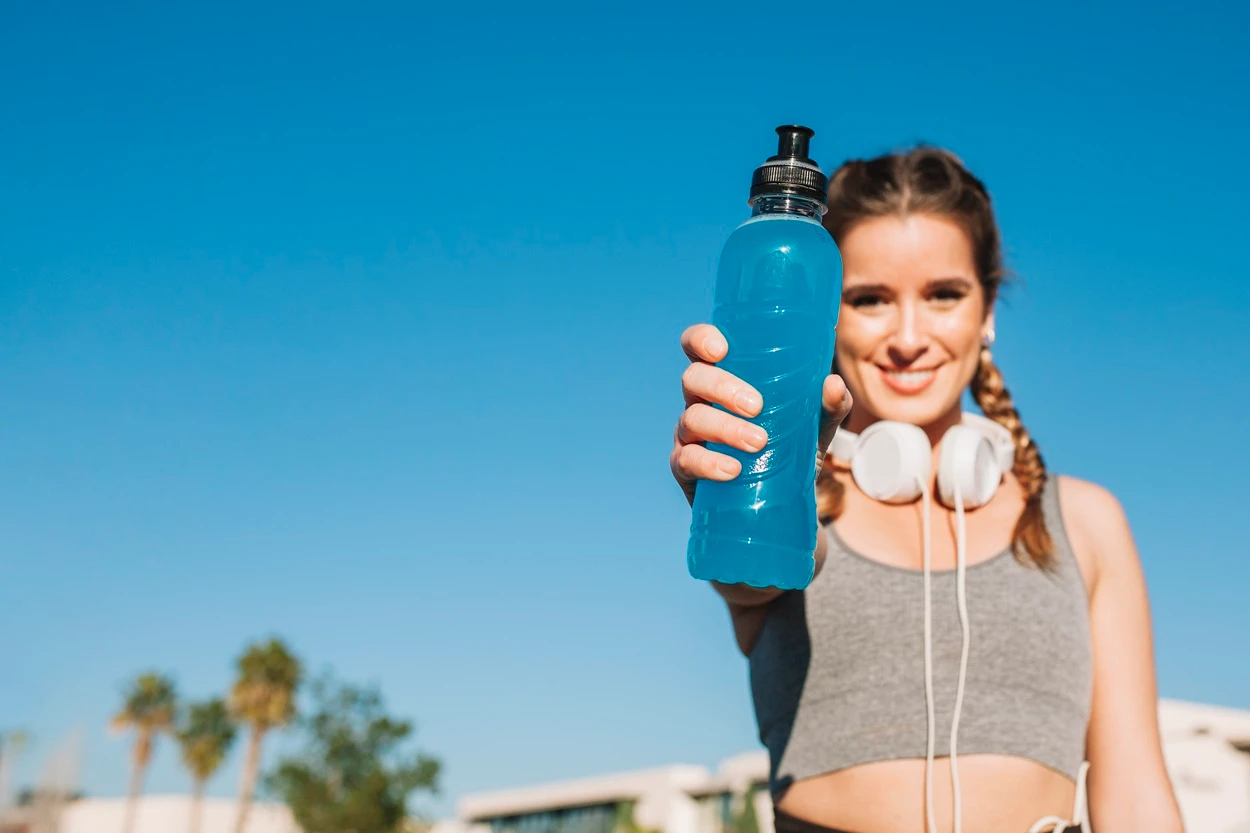


Are you torn between reaching for plain water or an electrolyte-packed sports drink after your workout? You're not alone. The debate between electrolyte drinks and water for optimal hydration has been a hot topic in the world of sports nutrition and athletic performance. This comprehensive guide will dive deep into the science of hydration, exploring the roles of both water and electrolytes in maintaining your body's fluid balance. By the end of this article, you'll have a clear understanding of when to choose electrolyte drinks, when water suffices, and how to make the best hydration choices for your specific needs.
Electrolytes are minerals that carry an electric charge when dissolved in body fluids. These tiny powerhouses control nerve and muscle function, balance fluid levels, and maintain proper pH in your body. When you sweat, you lose more than just water. You lose these essential minerals too.
Your body needs the right balance of electrolytes to work well. Too much or too little can cause problems. Think of electrolytes as the spark plugs of your body's engine. Without them, nothing runs smoothly.
The main electrolytes your body needs are sodium, potassium, magnesium, and chloride. Sodium helps control blood pressure and supports nerve function. Potassium works with sodium to maintain fluid balance and helps muscles contract properly.
Magnesium supports over 300 enzyme reactions in your body. It helps with energy production and muscle function. Chloride works closely with sodium to maintain proper fluid balance and helps produce stomach acid for digestion.
Water alone cannot maintain proper hydration during intense physical activity. Your body needs electrolytes to hold onto the water you drink. Without enough electrolytes, water passes through your system without being properly absorbed.
This is why drinking plain water during long workouts sometimes leaves you feeling bloated or nauseous. Your electrolyte balance becomes disrupted, making it harder for your body to use the water effectively.
Water makes up about 60% of your body weight. It carries nutrients to cells, removes waste products, regulates body temperature, and lubricates joints. Every system in your body depends on water to function properly.
For most daily activities and short workouts, plain water meets your hydration needs perfectly. Your body has natural mechanisms to maintain electrolyte balance during normal conditions.
The old "eight glasses a day" rule is too simple for active people. Your water needs depend on your activity level, climate, and body size. A good starting point is to drink when you're thirsty and monitor your urine color.
Active individuals need more water, especially in hot weather. Listen to your body's signals and adjust accordingly. Pre-hydrating before exercise and continuing to drink during activity helps maintain performance.
Yes, drinking too much water can dilute your blood sodium levels. This condition, called hyponatremia, can be dangerous. It's more common in endurance athletes who drink large amounts of plain water without replacing electrolytes.
Signs include nausea, headache, and confusion. This is another reason why electrolyte balance matters during long or intense physical activity.
Sports drinks come in different formulations. Some focus on quick energy with added sugars. Others emphasize electrolyte replacement with minimal calories. The key is choosing one that matches your activity and goals.
Quality matters when selecting electrolyte drinks. Superior ingredients, highly absorbable formats, palatable flavors make a significant difference in how well your body uses these nutrients. Look for products that use natural sources and avoid unnecessary additives.
Electrolyte drinks help maintain performance during extended exercise. They replace what you lose through sweat and help your body absorb fluids more effectively. This can prevent fatigue and muscle cramps.
For activities lasting more than an hour, or in hot conditions, electrolyte drinks can be more beneficial than water alone. They help you stay hydrated and perform better for longer periods.
Many commercial sports drinks contain high amounts of sugar and artificial ingredients. These can cause digestive issues for some people. They also add unnecessary calories if you're not doing intense exercise.
Reading labels is important. Some drinks contain more sugar than beneficial electrolytes. Choose products that prioritize mineral content over sweeteners and artificial flavors.
Electrolyte Insight Corner: The Surprising Link Between Electrolytes and Muscle Function
Did you know that electrolytes play a crucial role in muscle contraction and relaxation? Without proper electrolyte balance, athletes may experience muscle cramps, fatigue, and decreased performance. Sodium and potassium, in particular, are essential for transmitting nerve signals that control muscle movement. This is why maintaining optimal electrolyte levels is not just about hydration, but also about supporting overall athletic performance and recovery.
Your choice depends on several factors. Consider the duration and intensity of your activity. Think about the weather conditions and how much you typically sweat. Your individual needs matter too.
For everyday hydration and light exercise, water works well. For intense workouts, hot weather, or activities lasting over an hour, electrolyte drinks become more beneficial.
Short workouts under 60 minutes usually don't require electrolyte replacement. Your body's natural stores can handle the temporary loss. Water is sufficient for these activities.
Longer activities, especially those involving heavy sweating, benefit from electrolyte replacement. This includes marathon running, cycling, hiking, or team sports with extended play time.
Hot and humid conditions increase your electrolyte needs. You sweat more and lose minerals faster. Cold weather can also increase fluid needs, though people often forget to hydrate in winter.
High altitude affects hydration too. The dry air increases water loss through breathing. Consider your environment when planning your hydration strategy.
People sweat at different rates and lose different amounts of electrolytes. Some athletes are "salty sweaters" who lose more sodium. Others have lower sweat rates but still need electrolyte replacement during long activities.
Pay attention to how your body responds. White residue on clothes after exercise suggests high sodium loss. Muscle cramps may indicate electrolyte imbalance.
Food sources provide electrolytes in natural, easily absorbed forms. Bananas offer potassium. Leafy greens provide magnesium. Sea salt contains sodium and trace minerals.
Coconut water is a natural electrolyte drink. Dairy products provide calcium and potassium. Nuts and seeds offer magnesium and other minerals.
Fruits and vegetables are excellent electrolyte sources. Oranges, melons, and berries provide potassium and natural sugars. Avocados offer potassium and healthy fats.
Sea vegetables like seaweed contain multiple electrolytes. Bone broth provides sodium and other minerals. These whole food sources often work better than isolated supplements.
A balanced diet usually provides adequate electrolytes for most people. Focus on whole foods rather than processed options. This approach supports overall health while meeting mineral needs.
Combining food sources with appropriate hydration strategies works well for most athletes. Save sports drinks for times when you really need rapid electrolyte replacement.
Even mild dehydration reduces performance. Your heart works harder to pump blood. Body temperature rises faster. Muscle strength and endurance decline.
Losing just 2% of body weight through fluid loss significantly impacts performance. This happens faster than many people realize, especially in hot conditions.
Hydration affects your brain too. Dehydration impairs concentration, reaction time, and decision-making. This matters in sports requiring quick thinking and coordination.
Proper electrolyte balance supports brain function. Your nervous system needs these minerals to transmit signals effectively. Good hydration keeps you mentally sharp during competition.
Endurance sports require different strategies than strength training. Team sports with intermittent activity have unique needs. Tailor your approach to your specific sport and position.
Pre-hydration, during-activity fueling, and post-exercise recovery all matter. Develop a personalized plan that works for your sport and body.
If you're engaging in intense exercise lasting more than an hour, sweating profusely, or in hot conditions, you may benefit from electrolyte replacement. For shorter, less intense activities, water is usually sufficient.
Yes, it's possible to obtain adequate electrolytes through a balanced diet rich in fruits, vegetables, and lean proteins. However, during intense physical activity or in extreme conditions, supplementation with electrolyte drinks may be beneficial.
No, sports drinks vary in their electrolyte and sugar content. Some are designed for during-exercise hydration, while others are formulated for post-workout recovery. Choose a drink that matches your specific needs and activity level.
Monitor the color of your urine – it should be pale yellow. Dark urine indicates dehydration, while clear urine may suggest overhydration. Also, pay attention to thirst cues and how you feel during exercise.
Yes, excessive electrolyte intake can lead to imbalances in the body. It's important to follow recommended guidelines and consult with a healthcare professional or sports nutritionist for personalized advice.
The choice between electrolyte drinks and water for hydration isn't always straightforward. It depends on various factors including your activity level, environment, and individual physiology. While water remains the foundation of good hydration, electrolyte drinks can play a crucial role in maintaining fluid balance and supporting athletic performance under certain conditions. By understanding the science behind hydration and electrolyte balance, you can make informed decisions about your fluid intake to optimize your health and performance. Remember, the key is to listen to your body and adjust your hydration strategy based on your specific needs and activities. Explore quality options that prioritize natural ingredients and effective absorption to support your wellness journey.




Someone sent you
Powered by ReferRush


