Essential Checklist: Choosing Top Whey Protein in India
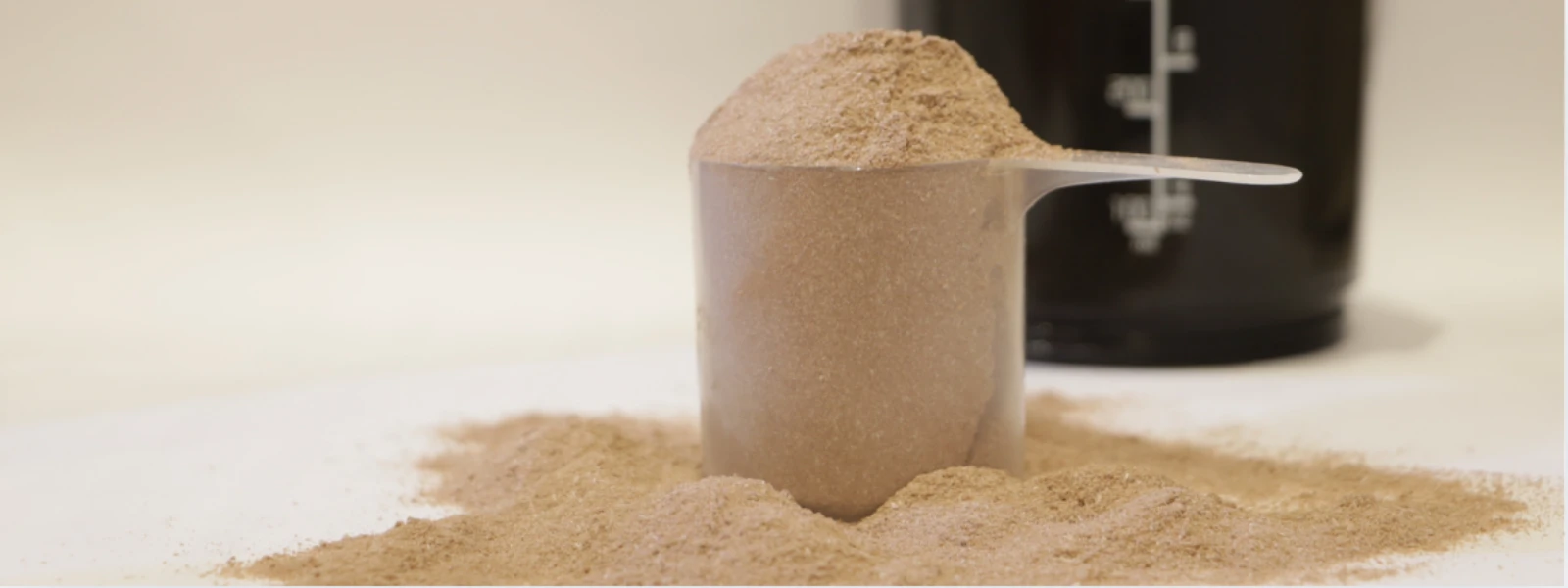


Finding the right whey PrOtein in a market flooded with options can feel overwhelming. With countless brands claiming to be the best, how do you separate marketing hype from genuine quality? This comprehensive guide cuts through the noise to help you make an informed decision when choosing from the top 10 whey PrOtein iN India.
Whether you're a fitness beginner or an experienced athlete, selecting the right protein supplement impacts your results, budget, and health. You'll learn to evaluate quality markers, understand pricing structures, and identify which whey protein brands truly deliver on their promises.
The Indian supplement market has evolved significantly over the past decade. What once relied heavily on imports now features a robust mix of domestic and international whey protein brands. This shift brings both opportunities and challenges for consumers seeking the best whey protein.
Quality standards vary dramatically across different price points. Premium international brands often undergo rigorous third-party testing, while some budget options may compromise on purity or protein content. Understanding these differences helps you make smarter purchasing decisions.
Authentic whey protein should contain at least 20-25 grams of protein per serving. Check the amino acid profile - complete proteins include all nine essential amino acids your body cannot produce naturally. Look for brands that provide detailed nutritional information and third-party testing certificates.
Manufacturing standards matter significantly. Brands following Good Manufacturing Practices (GMP) ensure consistent quality and safety. Some top protein brands also obtain certifications from international bodies like NSF or Informed Choice, particularly important for competitive athletes.
India's diverse climate zones affect protein supplement storage and effectiveness. High humidity can cause clumping, while extreme heat may degrade protein quality. Choose brands that use moisture-resistant packaging and provide clear storage instructions for Indian conditions.
Expert Tip
The protein content listed on labels represents the amount per serving, not per 100 grams. Always calculate the actual protein percentage to compare different whey protein brands effectively.
Creating a systematic approach to evaluating whey protein powder helps you avoid common purchasing mistakes. This checklist covers the most critical factors that separate quality products from mediocre ones.
Whey concentrate typically contains 70-80% protein with some lactose and fat remaining. It's generally more affordable and suitable for most users. Whey isolate undergoes additional processing to remove most lactose and fat, resulting in 90%+ protein content. This makes it ideal for those with lactose sensitivity.
Hydrolyzed whey protein breaks down protein chains into smaller peptides for faster absorption. While more expensive, it may benefit those with digestive sensitivities or specific timing requirements around workouts.
Reputable whey protein brands invest in independent testing to verify their claims. Look for certificates testing protein content, heavy metals, microbiological safety, and banned substances. This transparency indicates a brand's commitment to quality.
Some muscle building supplements carry additional certifications like FSSAI approval for Indian markets or international standards like FDA registration. These certifications provide extra assurance of safety and quality.
Quality protein supplements list all ingredients clearly. Avoid products with excessive fillers, artificial colors, or undisclosed proprietary blends. The best protein powder typically contains minimal ingredients - whey protein, natural flavors, and perhaps a natural sweetener.
Check for potential allergens, especially if you have sensitivities. Some products may contain traces of soy, nuts, or gluten from manufacturing facilities that process multiple ingredients.
Whey protein price in India varies significantly based on brand positioning, import duties, and marketing costs. Understanding these factors helps you identify genuine value versus inflated pricing.
Calculate the actual cost per gram of protein rather than comparing container prices. A 2kg container might seem expensive, but if it provides more servings of high-quality protein, it could offer better value than a cheaper alternative.
Premium international brands typically cost ₹4-8 per gram of protein, while quality domestic options range from ₹2-5 per gram. Budget options may cost ₹1-3 per gram but often compromise on purity or amino acid completeness.
Factor in shipping costs, especially for online purchases. Some brands offer free shipping above certain order values, making bulk purchases more economical. Consider the product's shelf life - buying in bulk only makes sense if you'll consume it before expiration.
Import duties affect international brand pricing. Domestic whey protein india options often provide similar quality at lower costs due to reduced import taxes and shipping expenses.
Protein supplement prices often fluctuate during festival seasons and fitness-focused periods like New Year resolutions. Planning purchases during off-peak times can result in significant savings.
Many top protein brands offer discounts during fitness events or brand anniversaries. Following your preferred brands on social media helps you catch these promotional periods.
Different fitness objectives require different approaches to protein supplementation. Understanding how whey protein benefits align with your specific goals ensures optimal results.
For muscle building supplements, timing and dosage matter significantly. Consuming 20-40 grams of whey protein within 30 minutes post-workout maximizes muscle protein synthesis. Choose products with high leucine content, as this amino acid triggers muscle building processes.
Strength athletes may benefit from whey protein isolate due to its rapid absorption and minimal digestive load. This allows for consistent training without digestive discomfort.
Whey protein supports weight management by increasing satiety and preserving lean muscle during caloric restriction. Look for products with minimal added sugars or artificial sweeteners that might trigger cravings.
Protein supplements can replace higher-calorie snacks while providing essential nutrients. Calculate the calories per serving to ensure it fits your daily caloric targets.
Endurance athletes benefit from whey protein's role in muscle recovery and glycogen replenishment. Some products combine whey with carbohydrates to optimize post-exercise recovery.
The anti-inflammatory properties of high-quality whey protein may help reduce exercise-induced muscle damage and speed recovery between training sessions.
Safety should never be compromised when selecting protein supplements. Understanding potential risks and quality indicators protects your health and investment.
Protein powders can harbor harmful bacteria if not processed or stored correctly. Reputable manufacturers test for pathogens like Salmonella, E. coli, and Staphylococcus aureus.
Proper packaging and storage instructions help maintain product safety. Avoid products with damaged seals or those stored in inappropriate conditions.
Athletes subject to drug testing should choose products certified by organizations like Informed Choice or NSF Certified for Sport. These programs test for substances banned by WADA and other sports organizations.
Even recreational users benefit from these certifications, as they indicate higher manufacturing standards and quality control processes.
Focus on protein content per serving, third-party testing certificates, and amino acid completeness. Consider your budget, but don't compromise on basic quality standards like proper manufacturing practices and ingredient transparency.
Check for proper FSSAI licensing, verify batch numbers with the manufacturer, and purchase from authorized retailers. Authentic products have clear labeling, proper packaging, and consistent taste and texture across batches.
Quality whey concentrate should contain 70-80% protein, while isolates should have 90% or higher. Calculate this by dividing protein grams per serving by total powder weight per serving, then multiply by 100.
Both can offer excellent quality. Domestic brands often provide better value due to lower import costs, while international brands may have longer track records and more extensive testing. Focus on quality indicators rather than origin.
Quality whey protein typically costs ₹2,000-4,000 per kilogram for domestic brands and ₹3,000-6,000 for premium international options. Calculate cost per gram of protein to compare true value across different brands and package sizes.
Choosing the right whey protein requires balancing quality, price, and personal fitness goals. Focus on verified protein content, third-party testing, and transparent ingredient lists rather than marketing claims. Calculate the true cost per gram of protein to identify genuine value, and consider your specific needs like lactose tolerance or athletic testing requirements. Remember that the best whey protein is one that fits your budget, supports your goals, and comes from a manufacturer you trust. Take time to research and compare options using this checklist to make an informed decision that supports your fitness journey effectively.




Someone sent you
Powered by ReferRush


