Know Your Creatine Supplements
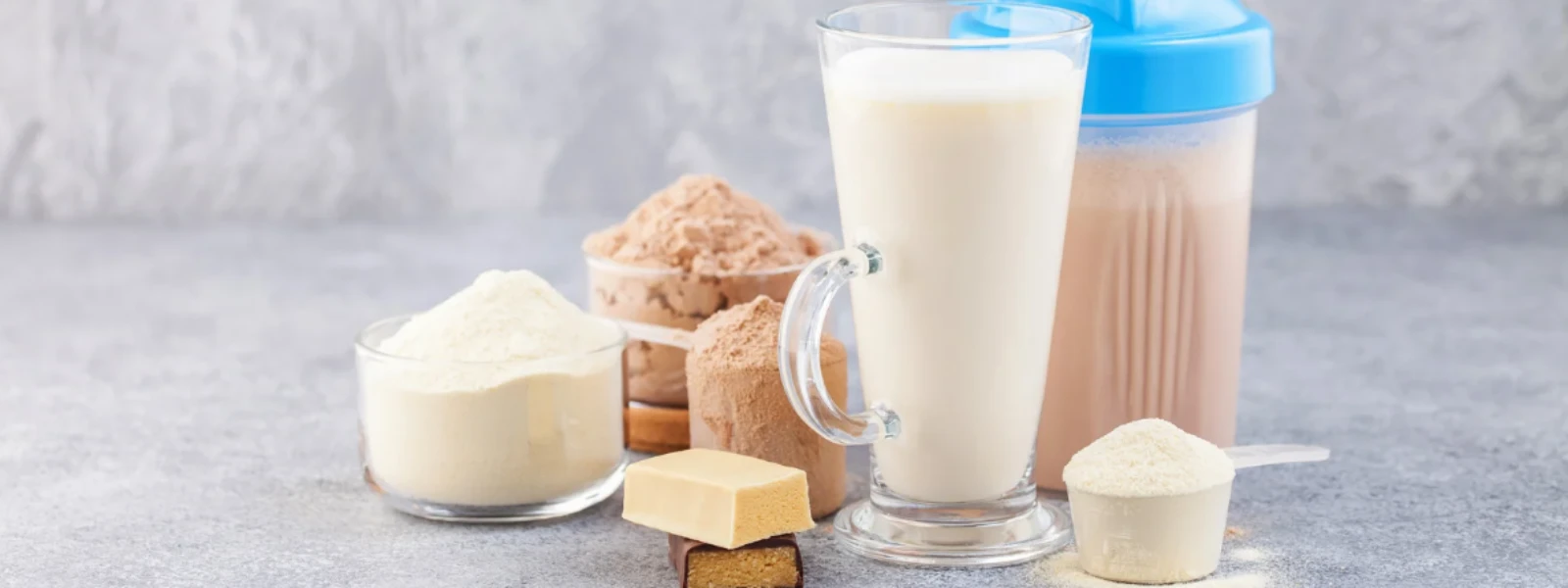


Creatine and protein powder are two of the most popular muscle building supplements in the sports nutrition world. Both play crucial roles in athletic performance and workout recovery, but they work in completely different ways. While creatine helps your muscles produce energy during high-intensity exercise, protein powder provides the building blocks your body needs for muscle growth and repair.
Understanding these differences can help you make smarter choices about your fitness nutrition. Whether you're looking to boost your performance in the gym or optimize your recovery after intense workouts, knowing how these supplements work will guide you toward better results.
Creatine is a naturally occurring compound found in your muscle cells. Your body produces small amounts of creatine from amino acids, mainly in your liver and kidneys. You can also get creatine from food sources like red meat and fish, though the amounts are relatively small.
When you take creatine supplements, you increase the amount of phosphocreatine stored in your muscles. This stored energy helps regenerate ATP (adenosine triphosphate), which is your muscles' primary energy currency during short bursts of high-intensity activity.
During intense exercise, your muscles burn through ATP quickly. Creatine helps replenish this energy source, allowing you to maintain power output for longer periods. This process is especially beneficial for activities that require quick, explosive movements like weightlifting, sprinting, or jumping.
Research shows that creatine supplementation can increase muscle phosphocreatine levels by 10-40%. This boost in stored energy translates to improved performance during repeated bouts of high-intensity exercise.
Creatine monohydrate is the most researched and widely used form of creatine. It's also the most cost-effective option with proven benefits. Other forms include creatine hydrochloride, buffered creatine, and micronized creatine, though these haven't shown superior benefits over the basic monohydrate form.
Did You Know?
Your muscles can only store a limited amount of creatine. Once your muscles are saturated with creatine (usually after 5-7 days of supplementation), taking more won't provide additional benefits. This is why loading phases aren't always necessary.
Protein powder is a concentrated source of protein derived from various sources like milk, eggs, or plants. Unlike creatine, which primarily affects energy production, protein provides amino acids that serve as building blocks for muscle tissue.
Your body needs protein for muscle protein synthesis, the process by which your muscles repair and grow after exercise. When you work out, you create microscopic tears in your muscle fibers. Protein helps repair these tears, making your muscles stronger and larger over time.
Whey protein is one of the most popular options because it's quickly absorbed and contains all essential amino acids. It's particularly rich in leucine, an amino acid that plays a key role in triggering muscle protein synthesis.
Casein protein digests more slowly, providing a steady release of amino acids over several hours. This makes it ideal for nighttime use or between meals when you want sustained protein delivery.
Plant-based proteins like pea, rice, or hemp offer alternatives for those who avoid dairy. While individual plant proteins may not contain all essential amino acids in optimal ratios, combining different sources can provide a complete amino acid profile.
Active individuals typically need more protein than sedentary people. Research suggests that people engaged in regular strength training may benefit from 1.6-2.2 grams of protein per kilogram of body weight daily. This increased need supports muscle repair and growth following exercise.
The choice between creatine and protein powder depends on your specific fitness goals and current nutrition status. Both supplements can be valuable, but they serve different purposes in your fitness nutrition plan.
If your primary goal is to improve performance during high-intensity, short-duration activities, creatine supplements may be more beneficial. Creatine excels at helping you lift heavier weights, perform more reps, or maintain power output during interval training.
Studies consistently show that creatine can improve performance in activities lasting 30 seconds or less. This makes it particularly valuable for bodybuilding supplements and strength training programs.
Protein powder shines when it comes to muscle building and workout recovery. If you struggle to meet your daily protein needs through food alone, protein powder can help bridge that gap. This is especially important if you're in a muscle-building phase where adequate protein intake is crucial.
The timing of protein intake also matters. Consuming protein within a few hours after your workout can optimize muscle protein synthesis and support recovery.
Both supplements can play roles in weight management, though through different mechanisms. Protein powder can help with satiety and maintaining muscle mass during weight loss. Creatine may support weight loss indirectly by improving workout performance, allowing for more intense training sessions.
Many athletes and fitness enthusiasts use both creatine and protein powder as part of their supplement stack. This approach can be beneficial because these supplements work through different pathways and complement each other.
Using both supplements together allows you to address multiple aspects of athletic performance. Creatine enhances your ability to perform high-intensity exercise, while protein supports the recovery and adaptation processes that follow.
Research suggests that combining creatine with protein may enhance muscle growth more than using protein alone. The improved training capacity from creatine supplementation can lead to greater training adaptations over time.
For creatine, timing is less critical than consistency. Taking 3-5 grams daily, regardless of timing, will maintain elevated muscle creatine levels. Some people prefer taking creatine post-workout with carbohydrates to potentially enhance uptake.
Protein timing can be more strategic. Consuming protein within the "anabolic window" after exercise may optimize muscle protein synthesis. However, your total daily protein intake is more important than precise timing.
Both creatine and protein powder have excellent safety profiles when used appropriately. Creatine is one of the most studied sports nutrition supplements, with no significant adverse effects reported in healthy individuals.
When combining supplements, start with recommended doses and monitor how your body responds. Adequate hydration becomes even more important when using creatine, as it draws water into muscle cells.
The scientific literature strongly supports the use of both creatine and protein for athletic performance and recovery. Understanding the research can help you make informed decisions about supplementation.
Meta-analyses show that creatine supplementation can improve maximal power output by 5-15% and increase total work performed during repeated high-intensity exercise bouts by 5-15%. These improvements translate to real-world benefits in training and competition.
Long-term creatine use appears safe and may provide additional benefits beyond performance, including support for cognitive function and muscle mass maintenance during aging.
Research demonstrates that adequate protein intake, whether from food or supplements, is essential for optimizing training adaptations. Protein supplementation can enhance muscle protein synthesis rates and improve recovery markers following exercise.
Studies also show that protein timing, while beneficial, is less critical than total daily intake. Meeting your overall protein needs is the priority, with timing providing additional optimization.
Implementing creatine or protein powder supplementation effectively requires understanding proper dosing, timing, and quality considerations.
The standard creatine protocol involves taking 3-5 grams daily. Some people use a loading phase (20 grams daily for 5-7 days) to saturate muscles faster, but this isn't necessary. The maintenance dose of 3-5 grams will achieve the same muscle saturation over 3-4 weeks.
Creatine monohydrate mixed with water or your preferred beverage works well. Taking it with carbohydrates may enhance uptake, though this effect is modest.
A typical serving of protein powder provides 20-30 grams of protein. This amount aligns well with research showing that 20-25 grams of high-quality protein can maximally stimulate muscle protein synthesis in most people.
Choose a protein powder that fits your dietary preferences and needs. Look for products that have been tested for quality and purity, especially if you compete in drug-tested sports.
Creatine supplements are most beneficial for people engaged in high-intensity, short-duration activities. This includes weightlifters, sprinters, team sport athletes, and anyone doing interval training.
Protein powder can benefit anyone who struggles to meet their protein needs through food alone. This often includes people with high protein requirements, busy lifestyles, or specific dietary restrictions.
Both supplements are generally safe for healthy adults, but some considerations apply. People with kidney disease should consult healthcare providers before using creatine. Those with milk allergies should avoid whey and casein proteins, opting for plant-based alternatives instead.
Quality matters when choosing supplements. Look for products that undergo third-party testing for purity and potency. This ensures you're getting what the label claims without unwanted contaminants.
Both serve different but complementary roles in muscle building. Protein powder provides the raw materials (amino acids) needed for muscle growth, while creatine enhances your ability to train intensely, which stimulates muscle growth. For optimal muscle building, adequate protein intake is essential, while creatine can enhance your training capacity.
Yes, you can safely take creatine and protein powder together. Many athletes use both supplements as part of their nutrition strategy. They work through different mechanisms and don't interact negatively. You can mix them in the same shake or take them separately based on your preference.
If you consistently meet your daily protein needs through whole foods, protein powder isn't necessary. However, protein powder can be a convenient way to reach your protein targets, especially post-workout or when whole food options aren't available. It's a supplement to, not a replacement for, a balanced diet.
Most people notice improvements in training performance within 5-7 days of starting creatine supplementation. This coincides with muscle creatine saturation. Performance benefits typically include the ability to perform more reps, lift slightly heavier weights, or maintain power output during repeated high-intensity efforts.
Both creatine and protein powder have excellent safety profiles when used appropriately. The most common side effect of creatine is initial weight gain from increased water retention in muscles. Some people may experience digestive discomfort from protein powder, which can often be resolved by trying different types or brands.
Creatine and protein powder serve distinct but complementary roles in sports nutrition and fitness. Creatine excels at enhancing performance during high-intensity exercise, while protein powder supports muscle building and recovery. The choice between them depends on your specific goals, current diet, and training style. Many people benefit from using both supplements together as part of a comprehensive approach to fitness nutrition. Remember that supplements work best when combined with proper training, adequate rest, and a balanced diet. Consider consulting with a qualified nutrition professional to develop a personalized supplementation strategy that aligns with your individual needs and goals.




Someone sent you
Powered by ReferRush


