Getting Lean Muscle: What Pea Protein Does for Muscle Building


Carnival ends in
01d : 08h : 29m : 43s
Buy 2+ eligible products & get the same/lower priced product for FREE
Learn MoreLean muscle needs regular training, enough total protein, and time to recover. Pea protein can fit this plan as a plant based protein source. This guide explains what are the benefits of pea protein for muscle building, how it compares with whey, and what to check before choosing a protein powder.
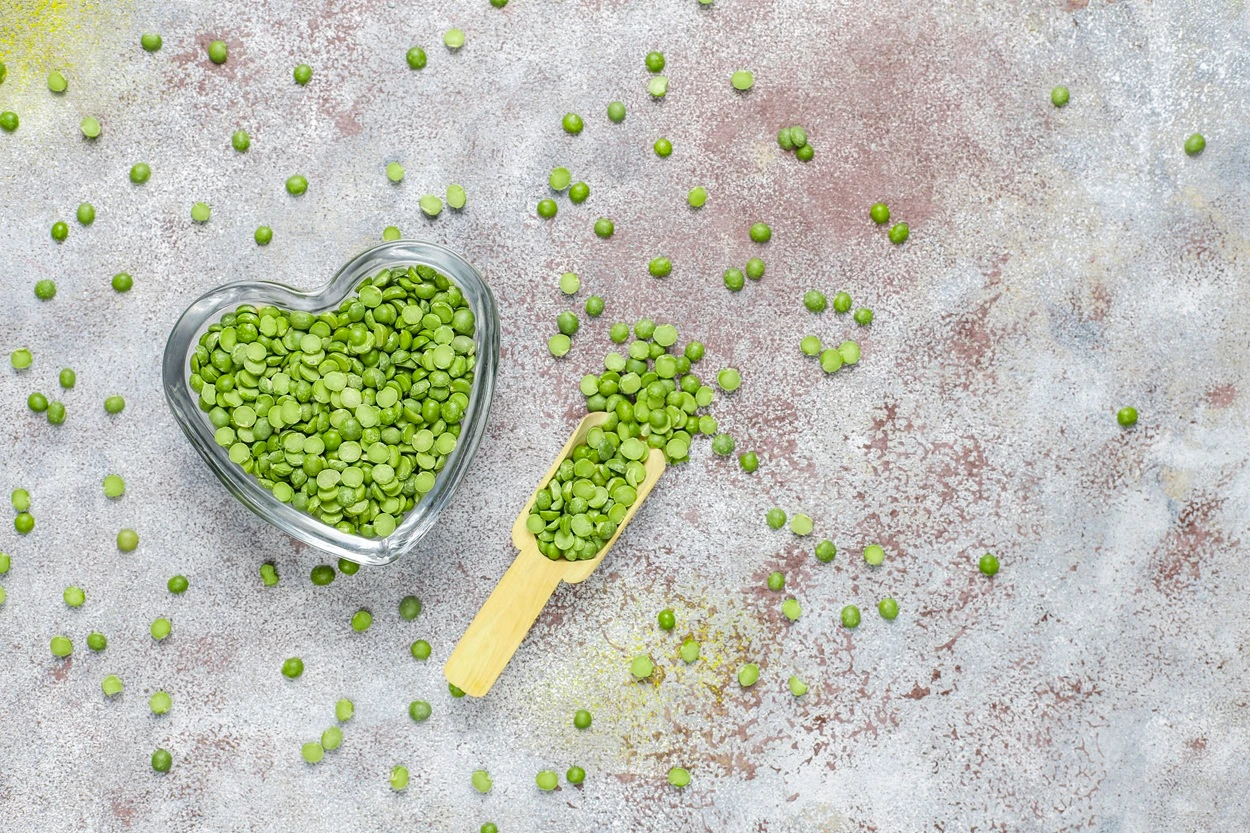
Pea protein is made from yellow peas. It provides protein for muscle support after resistance training. Its amino acids help supply the building blocks your muscles use during repair and growth.
Pea protein contains the branched-chain amino acids leucine, isoleucine, and valine. These amino acids are linked with muscle protein synthesis. Leucine is especially important because it helps signal this process after exercise.
Protein alone does not build lean muscle. Training creates the muscle stimulus. Consistent protein intake helps support recovery from that stimulus.
Pea protein has a useful amino acid profile, but it is lower in methionine than some animal proteins. This does not make it unusable. A varied diet can help cover this gap. Pairing it with other protein foods across the day supports broader amino acid intake.
Whey vs pea protein is not a simple contest. Both can support muscle building protein needs when used with strength training and a balanced diet. Research published on NCBI found similar gains in biceps muscle thickness with pea protein and whey protein during resistance training.
Whey is a milk-derived protein. Pea protein is naturally lactose-free. That can matter for people who avoid lactose or find dairy protein less comfortable to digest. Individual tolerance still varies, so read the label and assess how a product suits you.
Available research indicates comparable lean muscle results between pea protein and whey in resistance training settings. The practical choice may depend on your diet, digestion, taste preference, and ability to meet daily protein needs.
Pea protein can support muscle gains when it is part of resistance training and adequate daily protein intake. Research comparing pea and whey protein suggests it can be a workable post workout protein option. It is not a replacement for progressive training, meals, or rest.
Insight Corner: Protein works with training.
A shake can add convenient protein. It cannot create a training stimulus on its own. Focus on a repeatable routine first.
Pea protein benefits may also include gentle digestion for some people, since it is lactose-free. It may also fit weight-management meals by adding protein. Pea protein is not considered inflammatory and is generally well tolerated; however, heart-health and weight-management discussions around pea protein should remain part of an overall eating pattern, not a promise from one ingredient.
For those pursuing fat loss and lean muscle together, the goal is not to choose one over the other. Keep training, food quality, and protein intake consistent. Adjusting total food intake is a separate decision from choosing a protein powder.
Daily protein intake matters more than chasing a narrow post-workout window. A post workout protein shake can be useful when a full meal is not practical. It can also help spread protein across the day.
There is no single protein target that fits every person. Training volume, body size, food preferences, and total diet all matter. If you are unsure about your intake, seek personal advice from a qualified health professional.
Pea protein isolate is more concentrated in protein than pea protein concentrate. The right choice depends on the nutrition panel, ingredients, and how you will use it. Use this label test before you buy: check serving size, protein per serving, ingredient list, flavouring, and allergen details.
Wellbeing Nutrition values Superior ingredients, highly absorbable formats, palatable flavors. These factors can help make a routine easier to maintain. The word test is simple: choose a format you can use consistently.
The lower methionine content is the main nutritional limitation to consider. Some people also dislike pea protein's earthy taste or thicker texture. Digestive comfort differs by person, even with plant based protein. Start with the serving guidance on the pack and monitor tolerance.
Product type |
Wellness benefit |
Health goal |
Key ingredients |
|---|---|---|---|
Pea protein isolate |
Plant based protein support |
Lean muscle support |
Pea protein isolate |
Pea protein concentrate |
Plant based protein support |
Daily protein intake |
Pea protein concentrate |
Whey protein isolate (Wellbeing Nutrition) |
Protein support with digestive ingredients |
Lean muscle and recovery |
Whey protein isolate, bromelain, papain, probiotics |
Marine collagen peptides |
Skin and joint support |
Daily collagen intake |
Hydrolysed marine collagen peptides |
For many adults, pea protein can fit daily use as part of a varied diet. Its BCAA content can support regular protein intake. Check the label and choose an amount that fits your overall food intake.
Pea protein is lower in methionine than some protein sources. Some people also find its taste or texture less appealing. Eating varied protein foods can help address the amino acid gap.
It can be a useful post workout protein option when it helps you meet your daily protein needs. Pair it with regular resistance training and recovery habits.
Neither is universally better. Whey protein is fast-absorbing and high in leucine, making it a common choice for muscle recovery. Pea protein is lactose-free and plant based, suiting those with dairy sensitivities or a vegan diet. The better option depends on your training goals, digestion, and dietary preference.
Pea protein offers a lactose-free, plant based route to support protein for muscle and recovery. Its BCAA content supports muscle protein synthesis, while its methionine gap calls for dietary variety. Compare labels, choose a form you tolerate, and build your routine around training and consistent nutrition. Explore Wellbeing Nutrition offerings to learn more about protein and performance-focused nutrition.



