HIIT vs LISS - Which Cardio Routine Should You Choose?
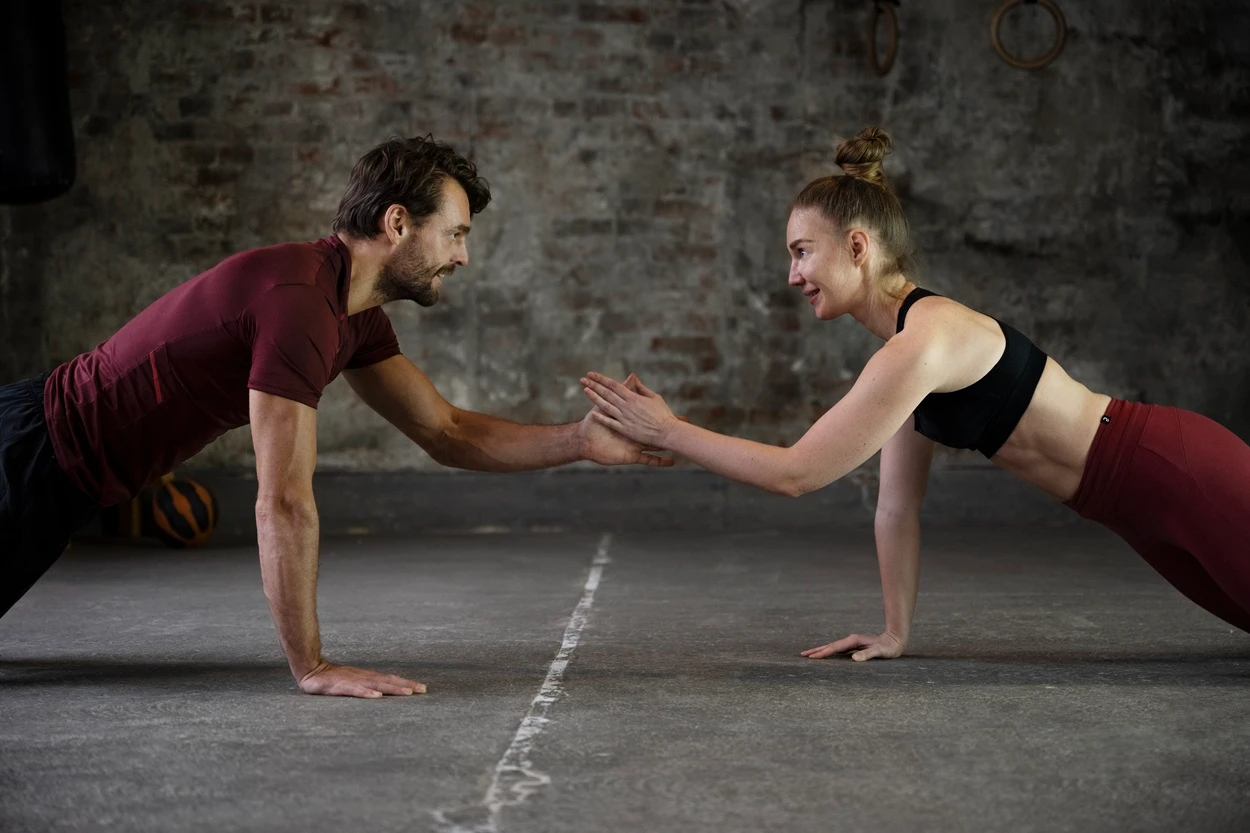


Standing at the crossroads of fitness, you face a familiar dilemma: should you sprint through short bursts of intensity or maintain a steady pace for longer periods? The world of cardio presents two distinct paths - High-Intensity Interval Training (HIIT) and Low-Intensity Steady State (LISS) training. This comparison will help you understand the unique benefits of each approach, empowering you to make an informed decision that aligns with your fitness goals, lifestyle, and current fitness level.
HIIT workout routines involve alternating between short periods of intense activity and brief recovery phases. These sessions typically push your heart rate to 85-95% of its maximum capacity during work intervals. The beauty of HIIT lies in its efficiency - you can achieve significant fitness benefits in as little as 15-30 minutes.
HIIT workouts can include bodyweight exercises like burpees, mountain climbers, and jump squats. You can also incorporate equipment-based activities such as cycling sprints, rowing intervals, or treadmill runs. The key is maintaining maximum effort during work periods followed by active or complete rest.
Most HIIT sessions last between 15-30 minutes, including warm-up and cool-down. Due to their demanding nature, these workouts are typically performed 2-3 times per week, allowing adequate recovery time between sessions.
LISS training involves maintaining a consistent, moderate intensity throughout your workout. Your heart rate stays at 50-65% of its maximum capacity, creating a sustainable pace you can maintain for extended periods. This approach emphasizes endurance over intensity.
Popular LISS activities include brisk walking, light jogging, swimming, cycling at a steady pace, and using elliptical machines. These exercises allow you to maintain conversations while working out, indicating the appropriate intensity level.
LISS sessions typically range from 30-60 minutes or longer. Since these workouts are less taxing on your system, you can perform them more frequently - even daily if your body tolerates it well.
HIIT workouts create significant metabolic stress, leading to increased oxygen consumption during and after exercise. This process, known as Excess Post-Exercise Oxygen Consumption (EPOC), keeps your metabolism elevated for hours post-workout, continuing to burn calories even at rest.
LISS training primarily uses fat as fuel, making it excellent for improving your body's ability to oxidize fat efficiently. It strengthens your cardiovascular system gradually while being easier on your joints and nervous system compared to high-intensity alternatives.
Both training methods benefit heart health differently. HIIT can rapidly improve VO2 max and cardiac output, while LISS builds a strong aerobic base and improves overall endurance capacity. Each contributes uniquely to cardiovascular fitness.
Insight Corner: The Afterburn Effect
Did you know that HIIT workouts can continue to burn calories long after you've finished exercising? This phenomenon, known as Excess Post-Exercise Oxygen Consumption (EPOC) or the "afterburn effect," can elevate your metabolism for up to 24 hours post-workout, making HIIT an efficient choice for those looking to maximize calorie burn.
HIIT typically burns more calories per minute during exercise and continues burning calories post-workout through EPOC. LISS burns fewer calories per minute but allows for longer exercise durations, potentially matching or exceeding total calorie expenditure.
HIIT workouts can help preserve lean muscle mass during weight loss phases due to their resistance-like nature. LISS, while excellent for cardiovascular health, may not provide the same muscle-preserving benefits, especially during extended sessions.
For busy schedules, HIIT wins in time efficiency. A 20-minute HIIT session can provide similar or superior benefits to a 45-minute LISS workout. However, LISS offers flexibility for those who enjoy longer, more meditative exercise sessions.
LISS excels at building aerobic capacity and endurance training benefits. It teaches your body to efficiently use oxygen and sustain activity over extended periods. HIIT improves both aerobic and anaerobic capacity but focuses more on power and speed.
Consider what you want to achieve. If rapid fat loss and improved performance are priorities, HIIT might be ideal. For building endurance, improving general health, or supporting recovery, LISS could be more suitable.
Beginners often benefit from starting with LISS to build a fitness foundation before progressing to HIIT. Advanced exercisers might use both methods strategically throughout their training cycles.
Your schedule and exercise preferences play crucial roles. Those with limited time might prefer HIIT's efficiency, while others may enjoy the meditative aspects of longer LISS sessions.
Many fitness enthusiasts find success combining both approaches. You might perform HIIT sessions 2-3 times per week and incorporate LISS on alternate days or as active recovery. This combination maximizes the unique benefits of each method.
Consider alternating focus periods. Spend 4-6 weeks emphasizing HIIT for fat loss, then switch to LISS-focused phases for building endurance. This approach prevents plateaus and maintains motivation.
Both HIIT and LISS training demand proper nutritional support. Quality protein helps muscle recovery and growth, while essential nutrients support energy production and recovery. When choosing supplements, look for products with superior ingredients, highly absorbable formats, palatable flavors to ensure you're getting the most from your nutritional investment.
Both HIIT and LISS can be effective for weight loss. HIIT tends to burn more calories in less time and can boost metabolism, while LISS allows for longer sessions and may be easier to sustain. The best choice depends on your preferences and schedule.
Due to its intensity, it's generally recommended to do HIIT workouts 2-3 times per week, allowing for adequate recovery between sessions. Beginners may start with once a week and gradually increase frequency.
LISS can be done more frequently than HIIT, even daily for some individuals. However, it's important to listen to your body and incorporate rest days as needed, especially if you're also doing strength training or other intense activities.
Both HIIT and LISS can improve cardiovascular health. HIIT may lead to quicker improvements in VO2 max and heart health, while LISS is excellent for building endurance and overall cardiovascular fitness. A combination of both can provide comprehensive benefits.
While beginners can start with modified HIIT workouts, it's often recommended to build a base level of fitness with LISS before progressing to high-intensity training. This approach helps reduce the risk of injury and allows for proper form development.
In the HIIT vs LISS debate, there's no one-size-fits-all answer. Both forms of cardio workout offer unique benefits and can be effective for improving fitness and health. The best choice depends on your individual goals, fitness level, and preferences. By understanding the strengths of each approach, you can create a balanced cardio routine that maximizes your results and keeps you motivated. Whether you choose the intensity of HIIT, the steady pace of LISS, or a combination of both, consistency and proper execution are key to achieving your fitness objectives. Explore how Wellbeing Nutrition can support your fitness journey with science-backed nutritional solutions designed to complement your training efforts.




Someone sent you


