How Shilajit Naturally Boosts Your Energy Levels
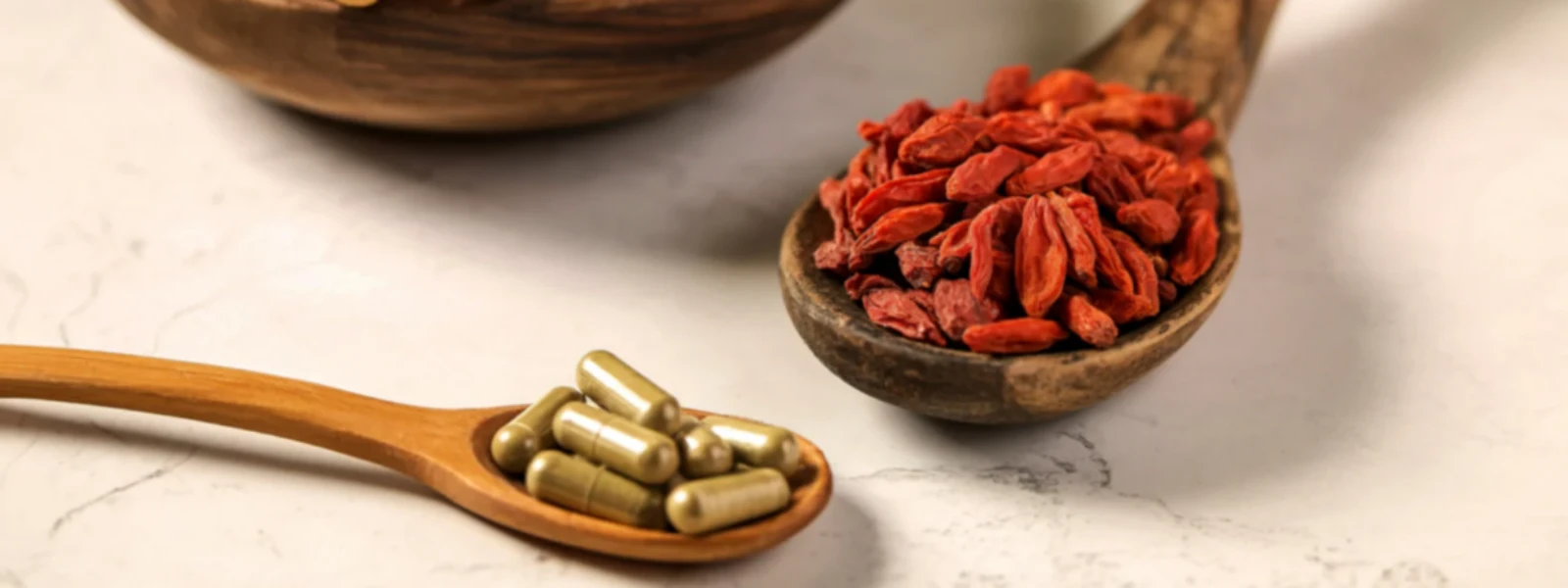


In a world where energy drinks and synthetic stimulants dominate the market, an ancient Himalayan substance is gaining recognition for its natural ability to enhance stamina and vitality. Shilajit, a tar-like resin formed over centuries in mountain rocks, has been used in traditional Ayurvedic medicine for thousands of years as a powerful energy enhancer.
This comprehensive guide explores the science behind shilajit's energy-boosting properties, examining clinical research that validates its traditional use. You'll discover how this natural substance works at the cellular level to enhance mitochondrial function, improve physical performance, and provide sustained energy without the crashes associated with conventional stimulants.
Shilajit forms naturally through the decomposition of plant matter trapped between rock layers in high-altitude mountain ranges, particularly the Himalayas. Over centuries, this organic material transforms into a nutrient-dense resin rich in fulvic acid, humic acid, and over 80 trace minerals.
Traditional Ayurvedic texts describe shilajit as a "rasayana" or rejuvenative substance, specifically valued for its ability to enhance physical strength and mental clarity. Ancient practitioners recognized its unique capacity to restore energy levels and improve overall vitality, making it a cornerstone of traditional wellness practices.
The bioactive compounds in shilajit work synergistically to support energy production. Fulvic acid, comprising 15-20% of quality shilajit, acts as a powerful carrier molecule that enhances nutrient absorption and cellular transport. This compound facilitates the delivery of minerals and other nutrients directly to cells, optimizing their energy-producing capacity.
At the cellular level, shilajit enhances energy production through its impact on mitochondria, the powerhouses of our cells. Research published in the Journal of Ethnopharmacology demonstrates that shilajit supplementation increases mitochondrial biogenesis, leading to more efficient ATP (adenosine triphosphate) production.
The fulvic acid in shilajit acts as an electron donor in the mitochondrial electron transport chain, directly supporting the process that generates cellular energy. This mechanism explains why shilajit provides sustained energy rather than the quick spikes and crashes associated with stimulants like caffeine.
Additionally, shilajit contains dibenzo-α-pyrones, compounds that help preserve mitochondrial function and protect against oxidative stress. This protection ensures that energy-producing cellular machinery remains efficient over time, contributing to sustained stamina and reduced fatigue.
Multiple clinical trials have investigated shilajit's effects on energy and physical performance. A randomized, double-blind study published in the International Journal of Ayurveda Research examined 63 healthy volunteers who received either shilajit or placebo for 60 days. Participants taking shilajit showed significant improvements in energy levels and reduced fatigue compared to the control group.
Another study focused specifically on exercise performance found that individuals supplementing with shilajit demonstrated enhanced endurance capacity. Participants could exercise for longer periods before reaching exhaustion, and their perceived exertion levels were lower during moderate-intensity activities.
Research has also shown that shilajit supplementation can improve oxygen utilization efficiency. A study measuring VO2 max (maximum oxygen consumption) in trained athletes found modest but consistent improvements in oxygen uptake and utilization after 8 weeks of shilajit supplementation.
Laboratory analyses reveal that shilajit influences several biomarkers associated with energy metabolism. Studies show increased levels of CoQ10 (coenzyme Q10) in muscle tissue following shilajit supplementation. CoQ10 plays a crucial role in mitochondrial energy production and cellular protection.
Lactate threshold improvements have been documented in athletes using shilajit. Lower lactate accumulation during exercise indicates more efficient energy metabolism and delayed onset of muscle fatigue. This translates to better endurance performance and faster recovery between training sessions.
Blood glucose regulation also improves with shilajit supplementation, providing more stable energy levels throughout the day. Unlike simple carbohydrates or stimulants that cause energy spikes and crashes, shilajit helps maintain steady glucose levels, supporting sustained energy output.
Did You Know?
Shilajit contains over 80 trace minerals in ionic form, making them highly bioavailable for cellular energy production. This mineral profile includes iron, copper, zinc, and manganese - all essential cofactors in energy metabolism pathways.
For athletes and fitness enthusiasts seeking natural energy boosters, shilajit offers several advantages over synthetic alternatives. Unlike caffeine-based pre-workout supplements that can cause jitters or anxiety, shilajit provides smooth, sustained energy enhancement without overstimulation of the nervous system.
The adaptogenic properties of shilajit help the body better manage physical stress during exercise. This stress-buffering effect allows for more consistent performance and reduces the likelihood of premature fatigue during intense training sessions.
Mental focus and clarity also improve with shilajit supplementation, contributing to better mind-muscle connection during workouts. Athletes report enhanced concentration and motivation, leading to more productive training sessions and improved technique execution.
Recovery is where shilajit truly shines as a performance supplement. The anti-inflammatory compounds in shilajit help reduce exercise-induced muscle damage and accelerate the repair process. This translates to less soreness and faster return to peak performance capacity.
Studies show that shilajit supplementation reduces markers of muscle damage, including creatine kinase and lactate dehydrogenase levels, following intense exercise. Lower levels of these enzymes indicate less cellular damage and more efficient recovery processes.
The mineral content in shilajit also supports electrolyte balance and muscle function. Proper mineral status is crucial for muscle contraction, nerve transmission, and overall athletic performance. Regular shilajit use helps maintain optimal mineral levels even during periods of intense training.
Research suggests that effective shilajit dosage for energy enhancement ranges from 300-500mg daily. Most studies showing positive results used doses within this range, taken consistently over 8-12 weeks. Starting with a lower dose (200-300mg) allows your body to adapt gradually and helps identify your optimal response level.
Timing plays a crucial role in maximizing shilajit's energy benefits. Taking shilajit in the morning on an empty stomach enhances absorption and provides sustained energy throughout the day. For athletic performance, consuming shilajit 30-60 minutes before exercise can optimize its pre-workout effects.
Cycling protocols may enhance long-term benefits. Some practitioners recommend taking shilajit for 8-12 weeks followed by a 2-4 week break. This approach may help maintain sensitivity to its effects and prevent adaptation that could reduce its energy-boosting properties.
Shilajit is available in several forms, each with distinct advantages. Pure resin form is considered the most potent and bioavailable, though it requires careful measurement and has a strong, earthy taste. Powder forms offer convenience and easier dosing but may have slightly reduced potency due to processing.
Capsulated shilajit provides the most convenient option for consistent daily supplementation. Quality encapsulated products maintain potency while eliminating taste concerns and dosing variability. Look for products that specify the fulvic acid content and provide third-party testing results.
To optimize absorption, avoid taking shilajit with large meals or dairy products, which may interfere with mineral absorption. Taking it with a small amount of warm water or herbal tea can enhance dissolution and uptake.
Unlike caffeine-based energy supplements that work primarily through nervous system stimulation, shilajit enhances energy at the cellular level. This fundamental difference means shilajit provides sustained energy without the tolerance buildup or withdrawal effects associated with stimulants.
Compared to other adaptogenic herbs like rhodiola or ginseng, shilajit offers unique mineral content and fulvic acid that directly support mitochondrial function. While other adaptogens primarily help manage stress response, shilajit addresses energy production mechanisms directly.
B-vitamin complexes support energy metabolism through enzymatic pathways, but shilajit provides both the cofactors (minerals) and transport mechanisms (fulvic acid) needed for optimal energy production. This comprehensive approach makes shilajit particularly effective for addressing multiple aspects of energy metabolism simultaneously.
Shilajit combines well with other natural performance enhancers. Pairing it with CoQ10 can amplify mitochondrial benefits, while combining it with magnesium supports muscle function and recovery. These combinations should be approached gradually to assess individual tolerance and response.
For athletes, combining shilajit with protein supplements can enhance recovery while maintaining energy levels. The mineral content in shilajit supports protein synthesis and muscle repair processes, creating synergistic benefits for performance and recovery.
Avoid combining shilajit with high doses of iron supplements, as shilajit naturally contains iron and excessive intake could lead to iron overload in susceptible individuals. Always consult healthcare providers when combining multiple supplements, especially if you have underlying health conditions.
Healthy adults seeking natural energy enhancement typically tolerate shilajit well. It's particularly beneficial for individuals experiencing fatigue related to stress, poor sleep, or demanding physical activity. Athletes and fitness enthusiasts often find shilajit helpful for improving training capacity and recovery.
People with mineral deficiencies may experience more pronounced benefits from shilajit supplementation due to its rich mineral content. However, individuals with hemochromatosis or other iron storage disorders should avoid shilajit due to its iron content.
Age considerations include avoiding shilajit in children under 18, as safety data in pediatric populations is limited. Older adults may benefit from shilajit's energy-supporting properties, but should start with lower doses and monitor for any adverse reactions.
Quality and purity represent the primary safety concerns with shilajit products. Low-quality or contaminated shilajit may contain heavy metals or other harmful substances. Always choose products from reputable manufacturers that provide third-party testing results and certificates of analysis.
Potential side effects are generally mild and may include digestive upset, headaches, or dizziness when starting supplementation. These effects typically resolve as the body adapts to the supplement. Starting with lower doses and gradually increasing can minimize these initial reactions.
Drug interactions are possible, particularly with medications for diabetes or blood pressure. Shilajit may enhance the effects of these medications, potentially requiring dosage adjustments. Always consult healthcare providers before starting shilajit if you take prescription medications.
Most people notice initial energy improvements within 1-2 weeks of consistent use, though optimal benefits typically develop over 4-8 weeks. The gradual onset reflects shilajit's mechanism of supporting cellular energy production rather than providing immediate stimulation.
Yes, daily shilajit supplementation is generally safe for healthy adults when used at recommended doses. Consistent daily use appears necessary to maintain its stamina-enhancing benefits, as the effects are cumulative rather than acute.
Shilajit and caffeine work through different mechanisms, making them suitable for different situations. Shilajit provides sustained energy without crashes or tolerance buildup, while caffeine offers immediate alertness. For long-term energy support, shilajit may be preferable.
Some studies suggest shilajit may help reduce fatigue symptoms, particularly when related to mitochondrial dysfunction. However, chronic fatigue syndrome requires professional medical evaluation and treatment. Shilajit should complement, not replace, proper medical care.
Morning consumption on an empty stomach typically provides the best energy benefits throughout the day. For exercise performance, taking shilajit 30-60 minutes before workouts can optimize its effects on stamina and endurance.
Shilajit represents a scientifically-validated approach to natural energy enhancement, working at the cellular level to support mitochondrial function and ATP production. Clinical research confirms its ability to improve stamina, reduce fatigue, and enhance physical performance without the drawbacks associated with synthetic stimulants. The key to success with shilajit lies in consistent use of quality products at appropriate doses, combined with realistic expectations about its gradual but sustained effects. As interest in natural performance enhancement continues to grow, shilajit stands out as a time-tested solution backed by both traditional wisdom and modern science.




Someone sent you
Powered by ReferRush


