How to Calculate Your Daily Plant Protein Intake?
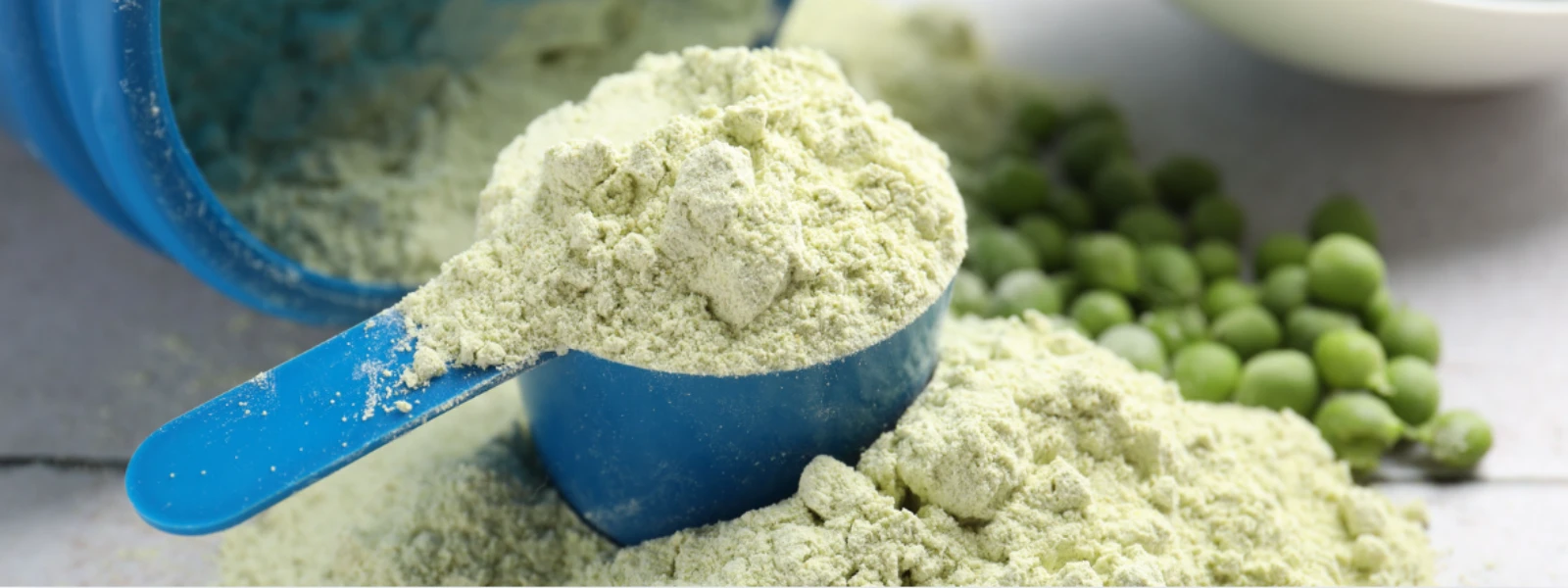


Getting the right amount of plant protein powder daily can feel like solving a complex equation. With varying body weights, fitness goals, and activity levels, many people wonder exactly how much plant protein powder they should take per day. The answer isn't one-size-fits-all, but understanding the science behind protein requirements and plant-based supplementation can help you calculate your optimal dosage.
This comprehensive guide will walk you through the step-by-step process of determining your daily plant protein intake. You'll learn how to calculate your personal protein needs, understand proper dosing guidelines, and discover how to maximize the benefits of plant-based protein supplementation for your specific goals.
Plant proteins have unique characteristics that affect how much you need daily. Unlike animal proteins, most plant proteins don't contain all nine essential amino acids in optimal ratios. This doesn't make them inferior, but it does influence dosing recommendations.
Common plant protein sources like pea, hemp, rice, quinoa, amaranth and soy each have different amino acid profiles. Pea protein is rich in lysine but lower in methionine, while rice protein provides methionine but lacks lysine. This is why many plant protein powders combine multiple sources to create a complete amino acid profile.
Digestibility also plays a role in determining your daily needs. Plant proteins typically have a digestibility score of 70-90%, compared to 95% for whey protein. This means your body may absorb slightly less protein from plant sources, which factors into dosage calculations.
The Recommended Daily Allowance (RDA) sets the baseline at 1.2 grams per kilogram of body weight for sedentary adults. However, this minimum amount prevents deficiency rather than optimizing health and performance.
Research shows that active individuals need significantly more protein. Studies published in sports nutrition journals suggest 1.4-2.0 grams per kilogram for those who exercise regularly. Athletes and people focused on muscle growth may benefit from the higher end of this range.
For plant protein specifically, some nutrition scientists recommend adding 10-20% to these calculations. This adjustment accounts for the varying digestibility and amino acid profiles of plant-based sources.
Calculating your daily plant protein needs starts with a simple formula: Body weight in kilograms multiplied by your protein multiplier equals your daily protein target.
First, convert your weight to kilograms by dividing pounds by 2.2. A 150-pound person weighs approximately 68 kilograms. Next, choose your multiplier based on activity level and goals.
For plant protein specifically, add 10-20% to your calculated needs. If your target is 100 grams of protein daily, aim for 110-120 grams from plant sources. This ensures you're getting adequate amino acids despite potential digestibility differences.
Sedentary adults should target 1-1.2 grams per kilogram. A 70-kilogram person needs 70 - 84 grams of protein daily from all sources, including food and supplements.
Recreational athletes who exercise 3-4 times weekly need 1.4-1.6 grams per kilogram. This same 70-kilogram person would need 98-112 grams daily.
Serious athletes and bodybuilders require 1.6-2.0 grams per kilogram, translating to 112-140 grams for our example person. Those focused on weight loss while preserving muscle should aim for 1.4-1.8 grams per kilogram.
Did You Know?
Research shows that consuming protein throughout the day, rather than in one large dose, optimizes muscle protein synthesis. Aim to spread your plant protein intake across 3-4 meals and snacks for maximum benefit.
Most plant protein powders contain 20-30 grams of protein per scoop. Always check the nutrition label, as serving sizes vary between brands and formulations.
For most people, 1-2 scoops daily provides adequate supplementation when combined with protein from whole foods. A single scoop typically covers 25-40% of your daily protein needs, depending on your total requirements.
Quality matters when choosing your plant protein powder. Look for products with superior ingredients, highly absorbable formats, and palatable flavors to ensure consistent daily use.
Post-workout timing remains important for plant proteins. Consuming 15-25 grams within two hours of exercise supports muscle recovery and growth. This timing helps maximize the muscle protein synthesis response.
Spreading protein intake throughout the day proves more beneficial than consuming large amounts at once. Your body can only utilize about 20-30 grams of protein per meal for muscle building, making frequent smaller doses more effective.
Some people benefit from pre-sleep protein, especially if they're not meeting daily targets through meals. A small serving before bed can support overnight recovery processes.
Taking 2 scoops of plant protein powder daily is generally safe for healthy adults. This typically provides 40-60 grams of protein, which fits well within recommended daily limits.
Multiple scoops make sense for athletes, people with higher protein needs, or those struggling to meet targets through food alone. However, supplements should complement, not replace, protein from whole food sources.
Monitor your total daily protein intake to stay within the safe range of up to 2 grams per kilogram of body weight from all sources combined.
Building muscle requires adequate protein to support muscle protein synthesis. Plant proteins can effectively support muscle growth when consumed in appropriate amounts and combinations.
The amino acid leucine plays a crucial role in triggering muscle protein synthesis. While plant proteins typically contain less leucine than animal sources, consuming slightly larger portions compensates for this difference.
Combining different plant proteins creates complete amino acid profiles. Many high-quality plant protein powders already blend multiple sources to optimize their amino acid composition.
Athletes following plant-based diets can meet their increased protein demands through strategic supplementation. Plant protein powders offer a convenient way to boost intake without excessive calories.
Pre-workout protein can provide amino acids for energy and muscle protection during training. Post-workout protein supports recovery and adaptation to training stress.
Consistency matters more than perfection. Regular daily protein intake supports long-term performance improvements and recovery.
Protein supports weight management through increased satiety and higher thermic effect. Plant protein powders can help you feel full while maintaining muscle mass during weight loss.
For weight loss, aim for 1.4-1.8 grams per kilogram while maintaining a caloric deficit. This higher protein intake helps preserve muscle mass as you lose fat.
The number of protein shakes depends on your total daily needs and food intake. Some people need one shake daily, while others benefit from two smaller servings.
Your optimal plant protein amount depends on multiple factors beyond just body weight. Training intensity, age, gender, and metabolic health all influence your needs.
Older adults may need slightly more protein to combat age-related muscle loss. Women may have different needs during different life phases, though the basic calculations remain similar.
Adjust your intake based on training cycles. During intense training periods, you might need more protein for recovery. During rest phases, you can reduce supplementation slightly.
Enhance absorption by consuming plant protein with complementary nutrients. Vitamin C can improve iron absorption from plant sources, while healthy fats support overall nutrient uptake.
Combine supplements with whole food protein sources like legumes, nuts, seeds, and grains. This provides additional nutrients and fiber that supplements alone cannot offer.
Avoid common mistakes like relying solely on supplements or consuming all protein in one meal. Balance and consistency produce better results than extreme approaches.
Monitor your energy levels, recovery between workouts, and overall well-being. Adequate protein intake should support consistent energy and good recovery.
Track body composition changes over time rather than focusing solely on weight. Proper protein intake helps maintain or build muscle while supporting fat loss goals.
Adjust your intake if you notice persistent fatigue, slow recovery, or difficulty maintaining muscle mass. These signs might indicate inadequate protein consumption.
Plant protein powders are generally safe for healthy adults when used as directed. The upper safe limit for total protein intake is approximately 2 grams per kilogram of body weight daily.
Some people experience digestive discomfort when first introducing plant protein supplements. Start with smaller amounts and gradually increase to allow your digestive system to adapt.
Choose products that undergo third-party testing for purity and quality. This ensures you're getting a safe, effective product without harmful contaminants.
Many people under-consume plant protein due to taste preferences or misconceptions about plant-based nutrition. Finding a palatable product encourages consistent use.
Over-relying on supplements while neglecting whole food protein sources limits nutrient diversity. Supplements should enhance, not replace, a balanced diet.
Ignoring individual tolerance levels can lead to digestive issues or poor adherence. Pay attention to how your body responds and adjust accordingly.
Most healthy adults can safely consume 1-2 scoops (25-50 grams) of plant protein powder daily, with total protein intake up to 2 grams per kilogram of body weight from all sources.
Yes, 2 scoops daily is generally safe for most people, especially active individuals or those with higher protein needs. Monitor your total daily protein intake to stay within recommended limits.
One to two protein shakes daily can support muscle growth when combined with adequate whole food protein. Focus on 20-25 grams protein per shake, timed around workouts.
Plant protein powder can support weight loss by increasing satiety and preserving muscle mass. Aim for 1.4-1.8 grams per kilogram body weight while maintaining a caloric deficit.
Plant protein may require 10-20% higher intake due to varying amino acid profiles and digestibility. The timing and frequency recommendations remain similar to other protein sources.
Calculating your daily plant protein intake doesn't have to be complicated. Start with your body weight, consider your activity level and goals, then adjust for plant protein's unique characteristics. Most people thrive with 1-2 scoops of high-quality plant protein powder daily, combined with protein from whole food sources. Remember that consistency matters more than perfection, and individual needs may vary based on your lifestyle and health status. By following these evidence-based guidelines, you can optimize your plant protein intake to support your health and fitness goals effectively.




Someone sent you
Powered by ReferRush


