How to Choose the Best High Protein Powder for Your Goals?
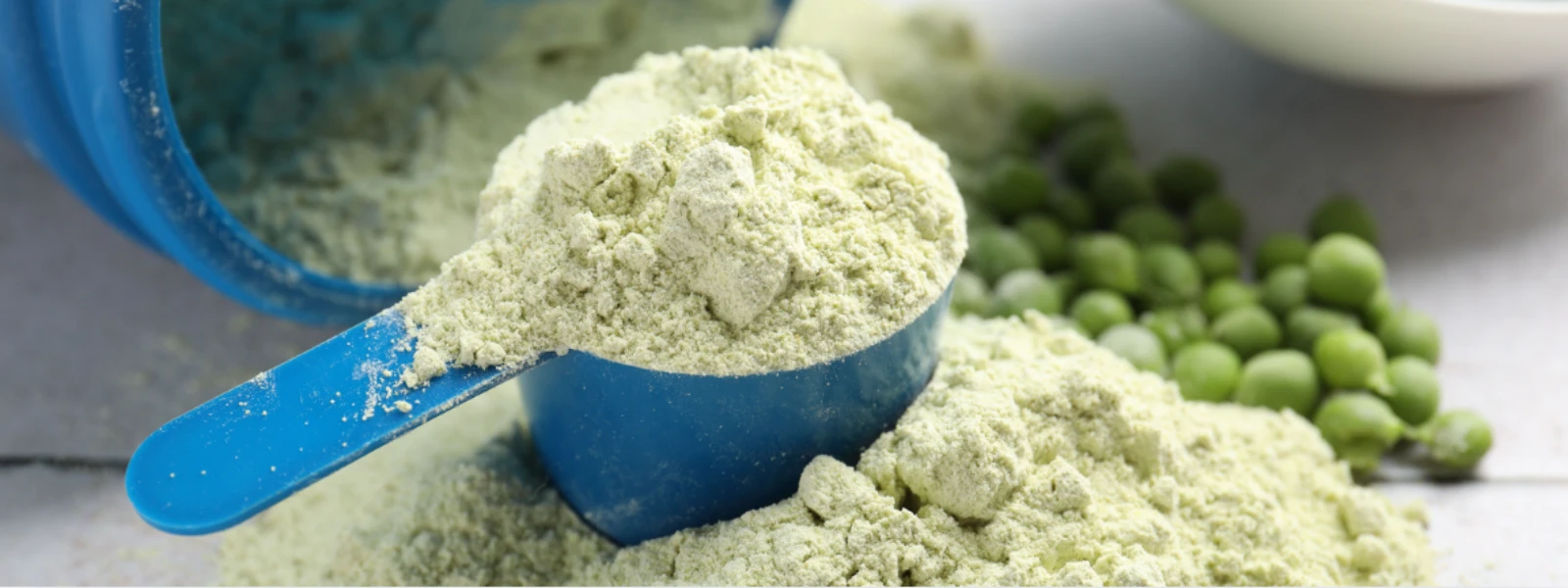


Finding the right high protein powder can feel overwhelming with countless options lining store shelves. Whether you're looking to build muscle, lose weight, or enhance athletic performance, the protein powder you choose can significantly impact your results. This guide will help you navigate the world of protein supplements, from understanding different types like whey protein isolate and plant-based protein powder to matching the best option with your specific fitness goals.
High protein powder serves as a convenient and efficient way to meet your daily protein requirements. Most adults need 0.8 grams of protein per kilogram of body weight, but this increases to 1.2-2.0 grams for active individuals and athletes. Protein powder helps bridge the gap between what you eat and what your body needs for optimal function.
Lean protein supplements offer several advantages over whole food sources alone. They provide a concentrated dose of protein without excess calories, carbohydrates, or fats. This makes them particularly valuable for post-workout protein shake timing when your muscles need rapid nutrient delivery for recovery and growth.
The convenience factor cannot be overstated. A single scoop typically provides 20-30 grams of high-quality protein that your body can quickly absorb and utilize. This efficiency becomes crucial when you're trying to consume multiple protein servings throughout the day to support muscle synthesis or weight management goals.
Whey protein isolate stands out as one of the purest forms available, containing 90% or more protein by weight. The ultra-filtration process removes most lactose, fat, and carbohydrates, making it ideal for those seeking maximum protein concentration with minimal additional calories.
Whey concentrate offers a more budget-friendly option while still providing excellent protein quality. It typically contains 70-80% protein and retains more of the beneficial compounds found in milk, including immunoglobulins and lactoferrin. The slightly higher carbohydrate and fat content can actually benefit those looking to gain weight or fuel intense training sessions.
Both forms excel as post-workout protein shake ingredients due to their rapid absorption rate. Your muscles can access these amino acids within 30-60 minutes of consumption, making them perfect for the critical post-exercise recovery window.
Plant-based protein powder has evolved significantly in recent years, offering complete amino acid profiles that rival animal-based options. Pea protein provides all essential amino acids and is particularly rich in branched-chain amino acids (BCAAs) that support muscle growth.
Rice protein, when combined with pea protein, creates a superior amino acid profile protein that matches the quality of whey. Hemp protein adds healthy omega-3 fatty acids and fiber, while soy protein offers one of the most complete plant-based amino acid profiles available.
These options work exceptionally well for vegans, vegetarians, and those with lactose intolerance. Many plant-based formulas now feature superior ingredients and highly absorbable formats that maximize protein utilization in your body.
Casein protein powder offers unique benefits due to its slow-release properties. This milk-derived protein forms a gel-like substance in your stomach, providing a steady stream of amino acids for up to 8 hours. This makes it ideal for nighttime consumption or between meals when you need sustained protein delivery.
Egg white protein powder provides excellent bioavailability and contains all essential amino acids in optimal ratios. It's naturally lactose-free and offers a middle ground between the rapid absorption of whey and the sustained release of casein.
Did You Know?
The biological value of egg protein is set at 100, making it the gold standard against which all other proteins are measured. This means your body can utilize nearly all the amino acids it provides for muscle building and repair.
The best protein for muscle gain typically contains high levels of leucine, an amino acid that triggers muscle protein synthesis. Whey protein isolate and quality plant-based blends both provide adequate leucine content to stimulate muscle growth when consumed in 25-30 gram servings.
Protein powder for athletes should also consider timing strategies. Consuming protein within 2 hours post-workout maximizes the muscle-building response, while spreading protein intake throughout the day maintains a positive protein balance for continuous muscle development.
Athletes engaging in intense training may benefit from 1.6-2.2 grams of protein per kilogram of body weight daily. High-quality protein powder makes reaching these targets practical without excessive food volume or preparation time.
Protein powder for weight loss works by increasing satiety and supporting metabolic function. Protein has a higher thermic effect than carbohydrates or fats, meaning your body burns more calories digesting and processing it.
When selecting protein for weight management, look for options with minimal added sugars and calories. Many formulations designed for weight loss contain 100-120 calories per serving while providing 20-25 grams of protein.
The appetite-suppressing effects of protein can help reduce overall calorie intake throughout the day. Studies show that consuming protein powder between meals or as meal replacements can lead to significant weight loss when combined with appropriate diet and exercise.
A complete amino acid profile protein contains all nine essential amino acids your body cannot produce on its own. Animal-based proteins naturally provide complete profiles, while plant-based options often require blending different sources to achieve completeness.
Bioavailability measures how well your body can absorb and utilize the protein. Factors like processing methods, additional ingredients, and your individual digestive health all influence how much protein actually reaches your muscles.
Look for products that specify their protein digestibility score. The Digestible Indispensable Amino Acid Score (DIAAS) provides the most accurate measurement of protein quality, with scores above 1.0 indicating excellent quality.
Third-party testing ensures that what's on the label matches what's in the container. Reputable companies invest in independent verification to confirm protein content, purity, and absence of contaminants.
For athletes subject to drug testing, look for NSF Certified for Sport or Informed Choice certifications. These programs test for banned substances and provide additional quality assurance.
Heavy metal testing is particularly important for plant-based proteins, as plants can absorb these contaminants from soil. Quality manufacturers test for lead, mercury, cadmium, and arsenic to ensure safe consumption levels.
Superior ingredients and highly absorbable formats can significantly impact your experience with protein powder. Some formulations include digestive enzymes like protease and lactase to help break down proteins and reduce digestive discomfort.
If you experience bloating or gas with certain proteins, consider switching types or looking for pre-digested (hydrolyzed) options. These have been partially broken down during processing, making them easier for your body to handle.
Palatable flavors also matter for long-term adherence. The best protein powder is one you'll actually use consistently, so taste and mixability should factor into your decision.
Whey protein isolate typically offers the highest protein concentration at 90-95% protein by weight. This translates to about 25-28 grams of protein per 30-gram serving. Hydrolyzed proteins and some specialized egg white protein powders can achieve similar concentrations.
Most people benefit from 1-2 servings of protein powder daily, providing 20-50 grams of additional protein. This should complement, not replace, protein from whole food sources. Your total daily protein intake should align with your body weight, activity level, and fitness goals.
Yes, when plant-based protein powders provide complete amino acid profiles and adequate leucine content, they can support muscle growth comparably to whey protein. The key is choosing high-quality blends and consuming slightly larger servings to account for lower leucine concentrations.
Protein isolate undergoes additional processing to remove more lactose, fat, and carbohydrates, resulting in higher protein concentration and faster absorption. Concentrate retains more of the original nutrients and beneficial compounds but contains slightly less protein per gram and may cause digestive issues for lactose-sensitive individuals.
While the post-workout window is important, total daily protein intake matters more than precise timing. Consuming protein powder within 2 hours after exercise can enhance recovery, but spreading protein throughout the day maintains muscle protein synthesis and supports your overall goals more effectively.
Choosing the right high protein powder depends on your individual goals, dietary preferences, and lifestyle factors. Whether you opt for whey protein isolate for rapid absorption, plant-based protein powder for ethical reasons, or specialized formulations for specific needs, focus on quality, completeness, and consistency. The best protein powder is one that fits seamlessly into your routine and supports your long-term health and fitness objectives. Consider your budget, taste preferences, and any dietary restrictions when making your final decision, and remember that protein powder should complement a balanced diet rich in whole food protein sources.




Someone sent you
Powered by ReferRush


