How to Maximize Oats Protein per 100g: A Step-by-Step Guide
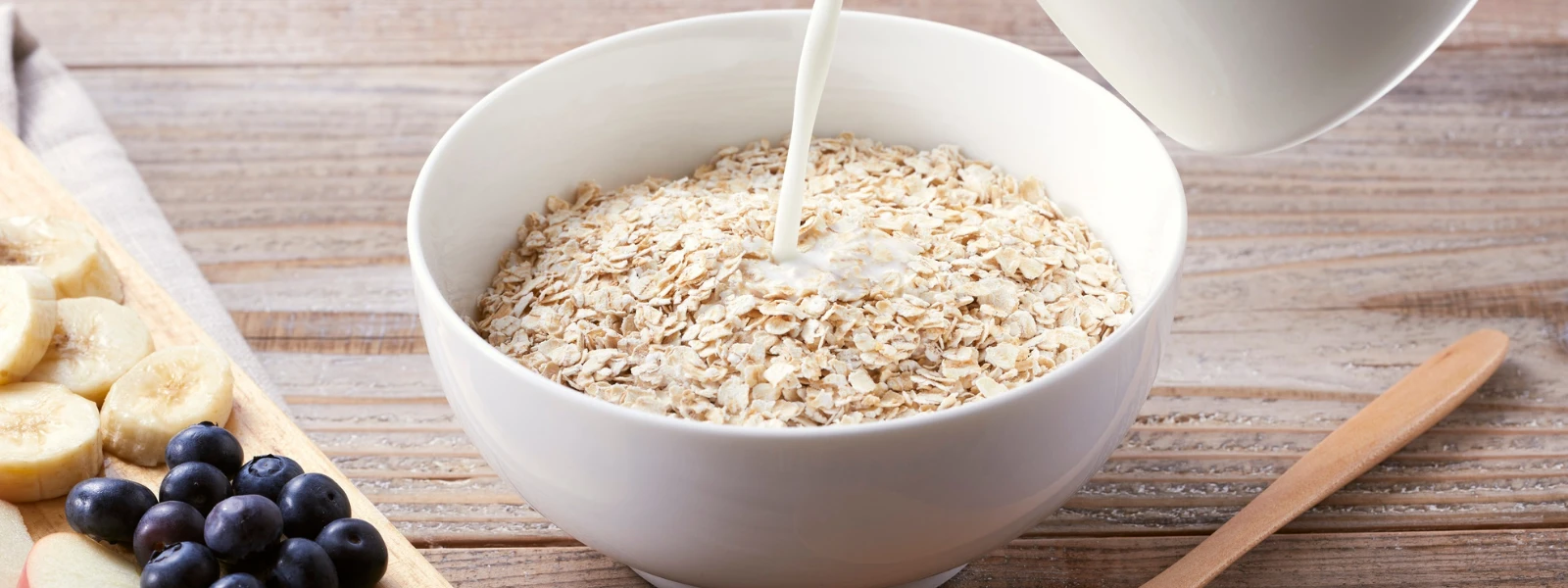


Oats have earned their reputation as a nutritional powerhouse, but many people overlook their impressive protein content. When you examine oats protein per 100g, you'll discover this humble grain packs more protein than most people realize. Understanding how to maximize this protein content can transform your nutrition strategy and support your fitness goals in remarkable ways.
This comprehensive guide will walk you through everything you need to know about oats protein content, from basic nutrition facts to advanced optimization techniques. Whether you're an athlete seeking muscle recovery support or someone looking to boost daily protein intake naturally, you'll learn practical strategies to get the most from every serving of oats.
The protein content in oats varies depending on the type and processing method, but raw oats typically contain between 10.9 to 16.9 grams of protein per 100g. This places oats among the higher-protein grains, making them an excellent choice for those seeking plant-based protein sources.
When examining oats nutrition facts per 100g, the macronutrient profile reveals why nutritionists consider oats so valuable. Raw oats contain approximately 389 calories, with protein making up about 17% of total calories. The remaining calories come from complex carbohydrates (66 grams) and healthy fats (6.9 grams).
What makes oats protein particularly valuable is its amino acid profile. While not a complete protein like animal sources, oats contain all essential AmIno aciDS in varying amounts. The protein quality improves significantly when you combine oats with complementary protein sources.
Compared to other common grains, oats protein content stands out impressively. White rice contains only 2.7g protein per 100g, while wheat flour provides about 10.3g. Quinoa, often praised for its protein content, contains 14.1g per 100g, making oats competitive with this superfood grain.
Did You Know?
Oats contain a unique protein called avenalin, which makes up about 80% of total oat protein. This protein has a balanced amino acid profile similar to legume proteins, making it particularly valuable for plant-based diets.
Different processing methods affect not only texture and cooking time but also protein concentration. Understanding these variations helps you choose the best option for maximizing protein intake.
Steel-cut oats undergo minimal processing, retaining most of their original nutritional value. These contain the highest protein concentration, typically ranging from 16-17g per 100g. The minimal processing preserves the natural protein structure and enhances bioavailability.
Traditional rolled oats contain approximately 13-14g protein per 100g. While slightly lower than steel-cut varieties, they still provide substantial protein content and offer better digestibility for many people. The rolling process breaks down some protein structures but maintains most nutritional benefits.
Instant oats typically contain 10-12g protein per 100g. The extensive processing reduces protein content somewhat, but they remain a convenient option for quick protein intake. The pre-cooking process also improves digestibility and reduces preparation time.
Maximizing oats protein benefits requires strategic combining with complementary protein sources. These techniques can significantly boost the total protein content and improve amino acid profiles.
Adding oats protein powder or complementary protein powders creates a powerful protein combination. A single scoop of quality whey protein (approximately 25g) combined with 50g oats provides around 30-32g total protein. This combination offers both fast-absorbing whey protein and slower-digesting oat protein for sustained amino acid release.
Plant-based protein powders work equally well for those following vegetarian or vegan diets. Pea protein, hemp protein, or brown rice protein complement oats protein content effectively while maintaining the plant-based nature of the meal.
Several natural ingredients can enhance the protein content of oats without artificial additives. Greek yogurt adds approximately 10g protein per 100g serving, while also providing probiotics for digestive health. Nuts and seeds contribute both protein and healthy fats.
Chia seeds provide 17g protein per 100g, while hemp hearts contain an impressive 31g protein per 100g. Even small amounts of these additions significantly boost total protein content while adding texture and flavor variety.
Athletes and fitness enthusiasts can leverage oats protein content strategically for performance and recovery benefits. The timing and combination of oats consumption affects how effectively your body utilizes the protein.
Consuming oats protein for athletes 30-60 minutes before training provides sustained energy and amino acid availability during exercise. The slow-digesting nature of oat protein prevents rapid blood sugar spikes while maintaining steady fuel supply.
A pre-workout oats protein shake combining 40g oats with banana and a small amount of protein powder delivers approximately 20-25g total protein. This combination supports muscle protein synthesis preparation without causing digestive discomfort during exercise.
Post-exercise oats protein consumption supports muscle recovery through sustained amino acid delivery. Unlike fast-absorbing proteins that peak quickly, oats provide extended protein release for several hours after consumption.
Combining oats with faster-absorbing proteins creates an ideal recovery window. The immediate protein needs get met by whey or other fast proteins, while oats protein extends the recovery period throughout the day.
Implementing protein optimization strategies becomes easier with practical recipes that maximize oats protein content while maintaining taste and convenience.
Create a powerful protein shake by blending 50g oats, one scoop protein powder, 200ml milk (dairy or plant-based), one tablespoon almond butter, and half a banana. This combination provides approximately 40-45g total protein while delivering essential nutrients and sustained energy.
For variation, substitute different protein powders or add berries for antioxidants. The oats protein macros in this shake provide balanced nutrition suitable for meal replacement or post-workout recovery.
Overnight oats offer convenience while maximizing protein absorption. Combine 40g oats with 30g Greek yogurt, 15g chia seeds, and 200ml protein-fortified plant milk. This mixture provides approximately 25-30g protein while requiring minimal preparation time.
The overnight soaking process improves digestibility and nutrient absorption. Adding nuts, seeds, or protein powder further enhances the protein profile according to individual preferences and dietary requirements.
Creating oats protein bars allows portion control while ensuring quality ingredients. Mix 100g oats, 30g protein powder, 50g nut butter, and binding ingredients like dates or honey. Each bar (approximately 50g) provides 10-12g protein in a convenient portable format.
These bars store well and provide sustained energy for busy lifestyles. The oats protein content comparison with commercial protein bars often favors homemade versions due to higher quality ingredients and absence of artificial additives.
Expert Tip
Soaking oats overnight in slightly acidic liquid (like yogurt or lemon water) breaks down phytic acid, improving protein bioavailability by up to 20%. This simple step maximizes the nutritional benefits of your oats protein intake.
Beyond basic combinations, advanced strategies can further enhance how your body utilizes oats protein content. These techniques focus on improving absorption, timing, and synergistic effects with other nutrients.
Proper preparation methods significantly impact protein absorption from oats. Cooking oats thoroughly breaks down complex proteins into more digestible forms. Adding digestive enzymes or fermented ingredients like kefir can further improve protein utilization.
Sprouting oats before consumption increases protein bioavailability and reduces anti-nutritional factors. While requiring advance planning, sprouted oats provide enhanced nutrition compared to regular preparation methods.
Certain micronutrients enhance protein synthesis and utilization. Combining oats with Vitamin C-rich foods improves iron absorption, which supports protein metabolism. B-vitamins, naturally present in oats, facilitate protein synthesis processes.
Adding ingredients rich in zinc, magnesium, and other minerals creates optimal conditions for protein utilization. These nutrients support enzyme functions necessary for breaking down and rebuilding proteins in muscle tissue.
Raw oats contain between 10.9 to 16.9 grams of protein per 100g, depending on the variety and processing method. Steel-cut oats typically contain the highest amount at 16-17g, while instant oats contain slightly less at 10-12g per 100g.
Yes, consuming 100g of oats daily is generally safe and beneficial for most people. This amount provides approximately 11-17g of protein along with fiber, vitamins, and minerals. However, start with smaller portions if you're not used to high-fiber foods to avoid digestive discomfort.
While oats contain more protein than many grains, they're considered moderate rather than high-protein foods. They provide valuable plant-based protein but work best when combined with other protein sources to meet daily protein requirements for active individuals.
The most effective methods include adding protein powder, Greek yogurt, nuts, seeds, or milk. Combining 50g oats with one scoop of protein powder can provide 30-35g total protein. Natural additions like hemp hearts or chia seeds also significantly boost protein content.
Oats work well both pre and post-workout due to their sustained protein release. For muscle building, consume oats protein within 2 hours after exercise. For sustained energy, eat oats 30-60 minutes before physical activity or as part of a balanced breakfast.
Understanding oats protein per 100g opens up numerous possibilities for enhancing your daily nutrition. From the basic 11-17g protein content to advanced optimization strategies that can double or triple total protein intake, oats provide a versatile foundation for meeting your protein goals. The key lies in strategic combinations, proper preparation methods, and timing consumption around your activity levels.
Whether you choose steel-cut oats for maximum protein content, create protein-enhanced overnight oats for convenience, or blend protein-packed smoothies for post-workout recovery, oats offer endless possibilities for nutritional optimization. The sustained protein release and complementary nutrient profile make oats an invaluable addition to any health-focused lifestyle. Start implementing these strategies today to experience the full benefits of maximizing your oats protein intake.




Someone sent you
Powered by ReferRush


