How to Reduce Muscle Soreness and Speed Up Recovery?
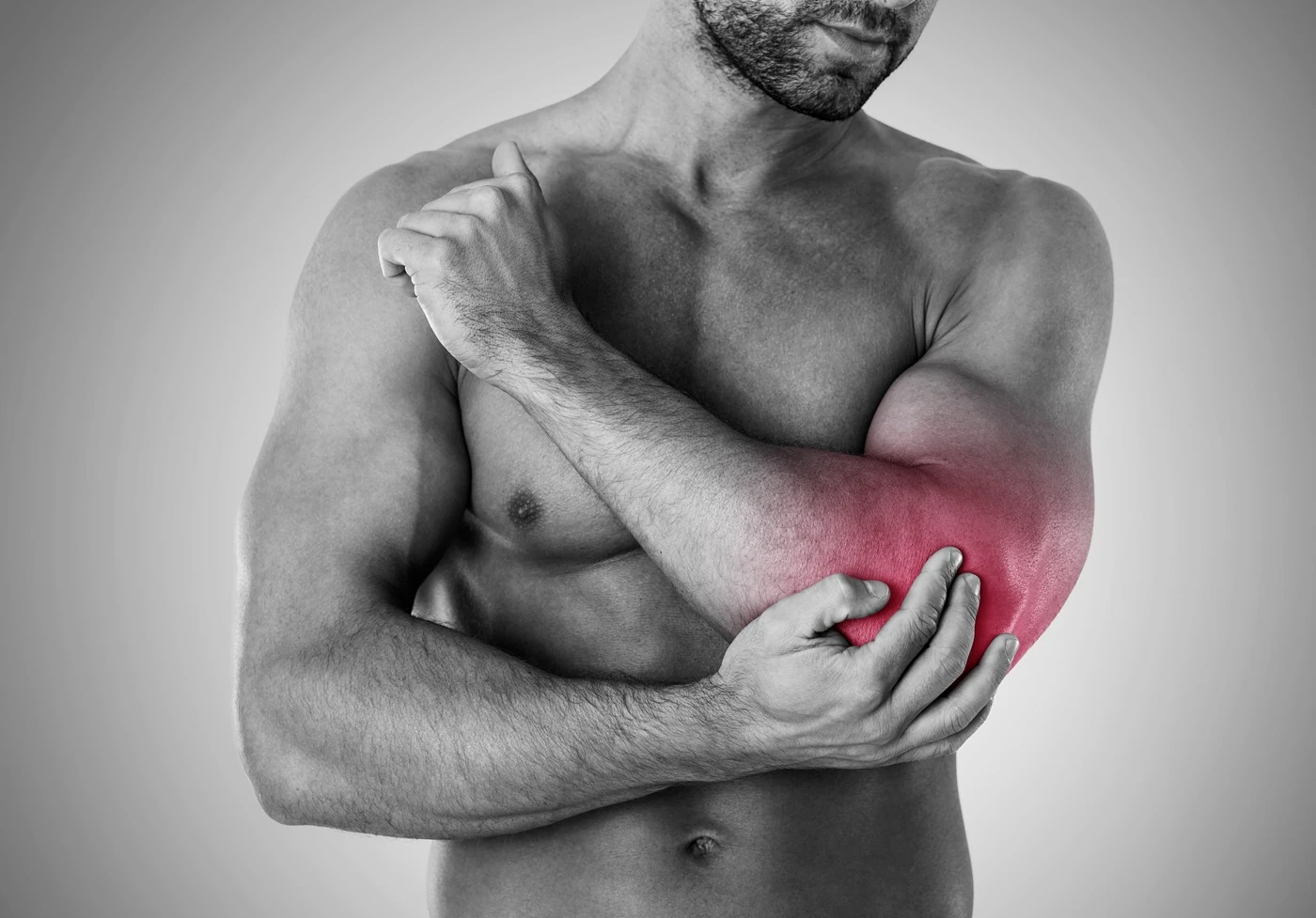


The burning sensation in your muscles after an intense gym session isn't just discomfort—it's your body's natural response to the microscopic damage that builds strength. While experiencing sore muscles after gym workouts is completely normal, understanding how to manage and accelerate recovery can mean the difference between consistent progress and prolonged downtime. This comprehensive guide combines cutting-edge sports science with practical strategies to help you minimize muscle soreness and optimize your recovery process. You'll discover evidence-based techniques for reducing inflammation, enhancing muscle repair, and returning to peak performance faster than ever before.
Muscle soreness typically peaks 24-72 hours after exercise, a phenomenon known as Delayed Onset Muscle Soreness (DOMS). During intense workouts, microscopic tears occur in muscle fibers, triggering an inflammatory response that causes the familiar ache and stiffness. This process is actually beneficial for muscle growth, as your body repairs these tiny tears with stronger protein structures.
Understanding the difference between normal post-exercise soreness and potential injury is crucial for effective muscle recovery tips implementation. Acute soreness appears immediately after exercise and usually subsides within hours. DOMS, however, develops gradually and can last several days. Chronic soreness that persists beyond a week may signal overtraining or injury.
Age, fitness level, nutrition status, and genetic factors all play roles in how quickly your body recovers from exercise-induced muscle damage. Younger individuals typically recover faster, while those new to exercise may experience more pronounced soreness. Your genetic makeup also influences how efficiently your body processes inflammation and repairs muscle tissue.
Research shows that interventions implemented within 30 minutes post-exercise can significantly reduce muscle soreness. This window represents when your muscles are most receptive to recovery nutrients and interventions. Your body's blood flow is elevated, making it easier to deliver essential nutrients to working muscles.
Active recovery through light movement helps maintain blood circulation and prevents muscle stiffness. A proper cool-down should include 5-10 minutes of light cardio followed by gentle stretching. This gradual transition helps your heart rate return to normal while maintaining blood flow to recovering muscles.
Consuming the right combination of proteins and carbohydrates within the post workout recovery window optimizes muscle protein synthesis and glycogen replenishment. Aim for easily digestible options that won't cause stomach discomfort. Liquid nutrition sources are often preferable immediately after intense exercise.
Pro Tip: The 3:1 Carbohydrate to Protein Ratio
Studies indicate that consuming carbohydrates and protein in a 3:1 ratio within 30 minutes post-exercise enhances muscle recovery by promoting both muscle protein synthesis and glycogen restoration. This combination provides the building blocks your muscles need while replenishing energy stores.
Incorporating foods rich in omega-3 fatty acids, antioxidants, and polyphenols can significantly reduce exercise-induced inflammation. Fatty fish, berries, leafy greens, and nuts provide natural compounds that help control the inflammatory response. These foods work by neutralizing free radicals produced during intense exercise.
Current research suggests consuming 1.6-2.2 grams of protein per kilogram of body weight daily for optimal muscle recovery and adaptation. Quality matters as much as quantity. Complete proteins containing all essential amino acids provide the best foundation for muscle repair and growth.
Vitamins C, D, and E, along with minerals like magnesium and zinc, play crucial roles in muscle recovery processes. Vitamin C supports collagen synthesis, while Vitamin D helps with calcium absorption and muscle function. When choosing supplements to support these needs, look for options with superior ingredients, highly absorbable formats, palatable flavors to ensure consistent daily intake.
Proper electrolyte replacement supports muscle function and prevents cramping during the recovery phase. Sodium, potassium, and magnesium work together to maintain fluid balance and nerve function. Natural sources like coconut water or electrolyte-rich foods can effectively restore balance without artificial additives.
During deep sleep, your body releases growth hormone, which is essential for muscle repair and recovery from workout-induced stress. This hormone stimulates protein synthesis and helps repair damaged muscle fibers. Most growth hormone release occurs during the first few hours of deep sleep.
Research demonstrates that sleep quality impacts recovery more significantly than duration alone. Seven to nine hours of quality sleep provides the optimal environment for muscle recovery. Poor sleep quality can increase inflammation markers and slow the recovery process, regardless of total sleep time.
Temperature, lighting, and sleep hygiene practices directly influence recovery quality and muscle soreness reduction. Keep your bedroom cool (60-67°F), dark, and quiet. Establishing a consistent bedtime routine signals your body to prepare for restorative sleep, enhancing the natural recovery process.
Light activities like walking, swimming, or yoga promote circulation without adding additional stress to recovering muscles. This increased blood flow helps deliver nutrients to damaged tissue while removing metabolic waste products. Active recovery is often more beneficial than complete rest for reducing muscle soreness.
Static stretching performed 6-8 hours post-exercise can reduce muscle stiffness and improve range of motion. Hold each stretch for 15-30 seconds, focusing on major muscle groups used during your workout. Gentle stretching helps maintain flexibility while muscles are in the recovery phase.
Systematic foam rolling can reduce muscle soreness when performed consistently as part of post workout recovery routines. This technique helps break up adhesions in muscle tissue and improves blood flow. Focus on slow, controlled movements over tender areas, spending 1-2 minutes on each muscle group.
Cold therapy reduces inflammation and metabolic demand in stressed muscles, potentially accelerating the recovery process. Ice baths or cold showers for 10-15 minutes can help numb pain and reduce swelling. The cold temperature causes blood vessels to constrict, limiting the inflammatory response.
Heat application increases blood flow and muscle flexibility, making it ideal for chronic soreness and stiffness. Warm baths, heating pads, or saunas help relax tight muscles and improve nutrient delivery. Heat therapy is most effective 24-48 hours after exercise when acute inflammation has subsided.
Alternating between hot and cold treatments can enhance circulation and reduce muscle soreness more effectively than single-modality approaches. This technique creates a pumping action in blood vessels, improving nutrient delivery and waste removal. Try alternating 3-4 minutes of heat with 1 minute of cold, repeating 3-4 cycles.
Normal muscle soreness should peak within 24-72 hours after exercise and completely resolve within 5-7 days. If soreness persists beyond this timeframe or is accompanied by sharp pain or swelling, it may indicate injury rather than normal exercise adaptation.
Good soreness feels like a dull ache or stiffness in the muscle belly and improves with light movement and warming up. Bad pain is sharp, localized, worsens with movement, or is accompanied by swelling, and may indicate injury requiring medical attention.
Light activity and active recovery can actually help reduce muscle soreness, but intense training of the same muscle groups should be avoided until soreness significantly decreases. This typically means waiting 48-72 hours before training the same muscles intensely again.
Yes, protein consumption within the post-workout window can enhance muscle protein synthesis and recovery. Consuming 20-25 grams of high-quality protein within 30 minutes to 2 hours post-exercise optimizes muscle recovery and adaptation when combined with proper hydration and rest.
Absolutely. When you begin a new exercise program or significantly change your routine, your muscles aren't adapted to the new stress patterns, resulting in more pronounced soreness. This typically improves within 2-3 weeks as your body adapts to the new demands.
Effective muscle recovery combines science-backed nutrition strategies, quality sleep, active recovery methods, and proper hydration to minimize soreness and accelerate healing. By implementing these evidence-based workout recovery techniques, you can maintain consistent training progress while reducing the risk of injury and overtraining. Remember that recovery is an active process that deserves the same attention as your workouts. The strategies outlined in this guide provide a comprehensive foundation for optimizing your post-exercise recovery, helping you return to peak performance faster and more effectively. Consider exploring professional recovery services or consulting with sports medicine specialists to further customize your approach based on your individual training goals and recovery needs.




Someone sent you
Powered by ReferRush


