How to Use Collagen Protein for Muscle Recovery?


Muscle recovery is the foundation of athletic performance, yet many athletes overlook one of the body's most abundant structural proteins in their nutrition strategy. Collagen protein makes up approximately 30% of your body's total protein content, playing a crucial role in maintaining the integrity of muscles, tendons, ligaments, and joints that endure constant stress during training and competition.
While traditional protein sources like whey focus primarily on muscle protein synthesis, collagen offers unique benefits for the connective tissues that support your muscles. This comprehensive guide explores how athletes can strategically use collagen supplements to enhance recovery, reduce injury risk, and optimize long-term performance through science-backed protocols.
Your body produces over 28 different types of collagen, but three types are particularly important for athletes. Type I collagen forms the structure of tendons and ligaments, providing the tensile strength needed for explosive movements. Type II collagen maintains cartilage health in your joints, while Type III collagen supports muscle tissue and arterial walls.
Natural collagen production begins declining in your mid-twenties at a rate of approximately 1% per year. For athletes who place additional stress on their connective tissues, this decline can impact recovery times and increase injury susceptibility.
Hydrolyzed collagen provides a unique amino acid profile dominated by glycine, proline, and hydroxyproline. These amino acids are specifically required for collagen synthesis in your body, making them particularly valuable for connective tissue repair and maintenance.
Unlike complete proteins that contain all nine essential amino acids, collagen peptides serve a complementary role in athletic nutrition. While whey protein excels at stimulating muscle protein synthesis, collagen targets the structural proteins that support your muscles and joints during intense training.
Clinical studies demonstrate that collagen for athletes can significantly improve connective tissue health. A 2017 study in the British Journal of Sports Medicine found that athletes supplementing with collagen peptides experienced reduced activity-related joint pain compared to placebo groups.
The mechanism involves providing your body with the specific building blocks needed for collagen synthesis. When combined with Vitamin C, these amino acids support the formation of stable collagen fibers that strengthen tendons, ligaments, and cartilage.
While collagen isn't a complete protein, it plays an important role as a muscle recovery protein. Research indicates that collagen supplementation can reduce exercise-induced muscle soreness and improve recovery times between training sessions.
Did You Know?
Studies show that consuming collagen protein within 60 minutes before exercise can increase collagen synthesis in tendons by up to 100%, providing enhanced support for high-intensity training.
The glycine content in collagen also supports sleep quality, which is crucial for recovery. Glycine acts as an inhibitory neurotransmitter that can help improve sleep onset and quality, leading to better overall recovery outcomes.
Collagen peptides undergo enzymatic hydrolysis, breaking down the large collagen molecules into smaller, more bioavailable fragments. This process significantly improves absorption compared to regular collagen, with studies showing that hydrolyzed forms can be detected in the bloodstream within 15 minutes of consumption.
The molecular weight of hydrolyzed collagen typically ranges from 2,000 to 5,000 Daltons, compared to 300,000 Daltons for native collagen. This dramatic size reduction allows for better intestinal absorption and utilization by your body's tissues.
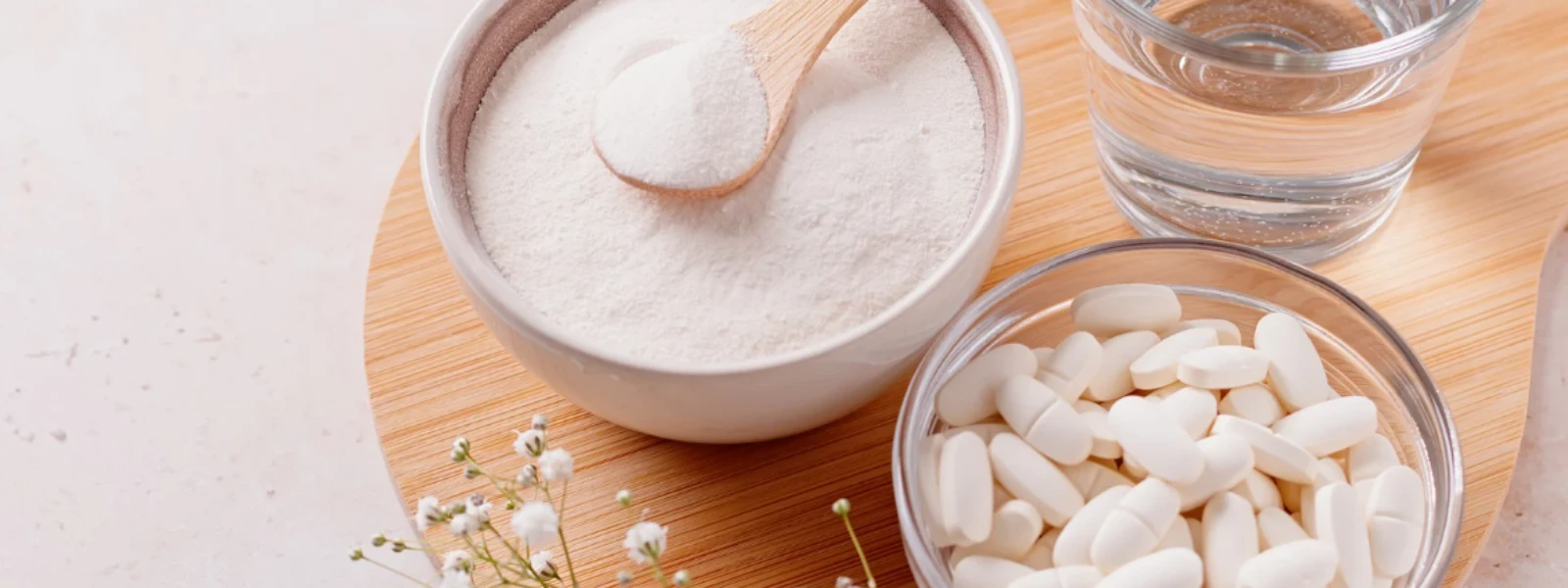
Collagen powder benefits include easy mixing with pre and post-workout beverages, allowing for precise dosing and convenient consumption. Powder forms also typically offer superior ingredients, highly absorbable formats, and palatable flavors that make consistent supplementation more achievable for busy athletes.
Capsule forms provide convenience for travel and competition scenarios where mixing powders may not be practical. However, achieving therapeutic doses often requires multiple capsules, which some athletes find less convenient than powder forms.
Marine collagen, derived from fish skin and scales, primarily provides Type I collagen with enhanced bioavailability due to its smaller molecular structure. Sports nutrition collagen from marine sources often shows superior absorption rates in clinical studies.
Bovine collagen offers both Type I and Type III collagen, making it particularly beneficial for athletes seeking comprehensive connective tissue support. The choice between sources often depends on individual dietary preferences and specific performance goals.
Research supports daily doses of 10-20 grams of collagen supplements for athletic applications. Bodybuilding collagen protocols often use the higher end of this range, particularly during intense training phases or when recovering from injury.
Your optimal dose may vary based on body weight, training intensity, and specific goals. Athletes weighing over 200 pounds or engaging in high-impact sports may benefit from doses toward the upper end of the research-supported range.
Pre-workout collagen consumption, particularly when combined with Vitamin C, can enhance collagen synthesis in response to exercise. Consuming 15 grams of collagen protein 60 minutes before training has been shown to optimize this response.
Post-workout timing focuses on supporting recovery processes. Consuming collagen within 2 hours after exercise can help support the repair and strengthening of connective tissues stressed during training.
Consistent daily supplementation appears more beneficial than intermittent use. Studies showing significant benefits typically involve continuous supplementation for 8-12 weeks or longer. Athletes should view collagen as a long-term investment in connective tissue health rather than a quick-fix solution.
Vitamin C is absolutely crucial for collagen synthesis, as it's required for the hydroxylation of proline and lysine amino acids. Athletes should ensure adequate Vitamin C intake, with research suggesting 100-200mg daily when supplementing with collagen.
Additional supporting nutrients include zinc, copper, and manganese, which serve as cofactors in collagen synthesis pathways. These minerals are often found in comprehensive joint support supplements designed for athletic populations.
Quality sleep is essential for collagen synthesis, as growth hormone released during deep sleep stages promotes tissue repair and regeneration. Athletes should prioritize 7-9 hours of quality sleep to maximize collagen supplementation benefits.
Adequate hydration supports the transport of amino acids to target tissues and maintains optimal joint lubrication. Athletes should maintain consistent hydration throughout the day, not just during exercise sessions.
Most athletes notice improvements in joint comfort within 4-8 weeks of consistent supplementation. Skin and hair benefits typically become apparent after 8-12 weeks, while significant improvements in connective tissue strength may take 3-6 months of regular use.
Collagen should complement, not replace, complete proteins like whey for muscle building. While collagen supports connective tissue health and recovery, complete proteins provide all essential amino acids necessary for optimal muscle protein synthesis and growth.
Research supports both pre-workout (60 minutes before exercise) and post-workout (within 2 hours) timing. Pre-workout consumption with Vitamin C enhances exercise-induced collagen synthesis, while post-workout timing supports recovery processes.
Collagen supplements are generally well-tolerated with minimal side effects. Some individuals may experience mild digestive discomfort when first starting supplementation, which typically resolves with continued use. Athletes with fish allergies should avoid marine collagen sources.
Marine collagen offers superior bioavailability and is ideal for athletes prioritizing absorption and skin health benefits. Bovine collagen provides both Type I and Type III collagen, making it beneficial for comprehensive connective tissue support. Choice often depends on dietary preferences and specific performance goals.
Collagen protein represents a valuable addition to athletic nutrition protocols, offering unique benefits for connective tissue health, joint support, and recovery enhancement. While it doesn't replace traditional protein sources, strategic collagen supplementation can help athletes maintain the structural integrity of tissues that support peak performance. The key lies in consistent daily supplementation, proper timing, and combining collagen with essential cofactors like Vitamin C. As research continues to unveil the full potential of collagen for athletic performance, incorporating high-quality collagen supplements with superior ingredients from Wellbeing Nutrition, highly absorbable formats, and palatable flavors can provide athletes with a competitive edge in both performance and longevity. Consider exploring comprehensive supplementation strategies that address your individual recovery needs and performance goals.




Someone sent you
Powered by ReferRush


