How to Use Moringa Protein Powder for Maximum Benefits
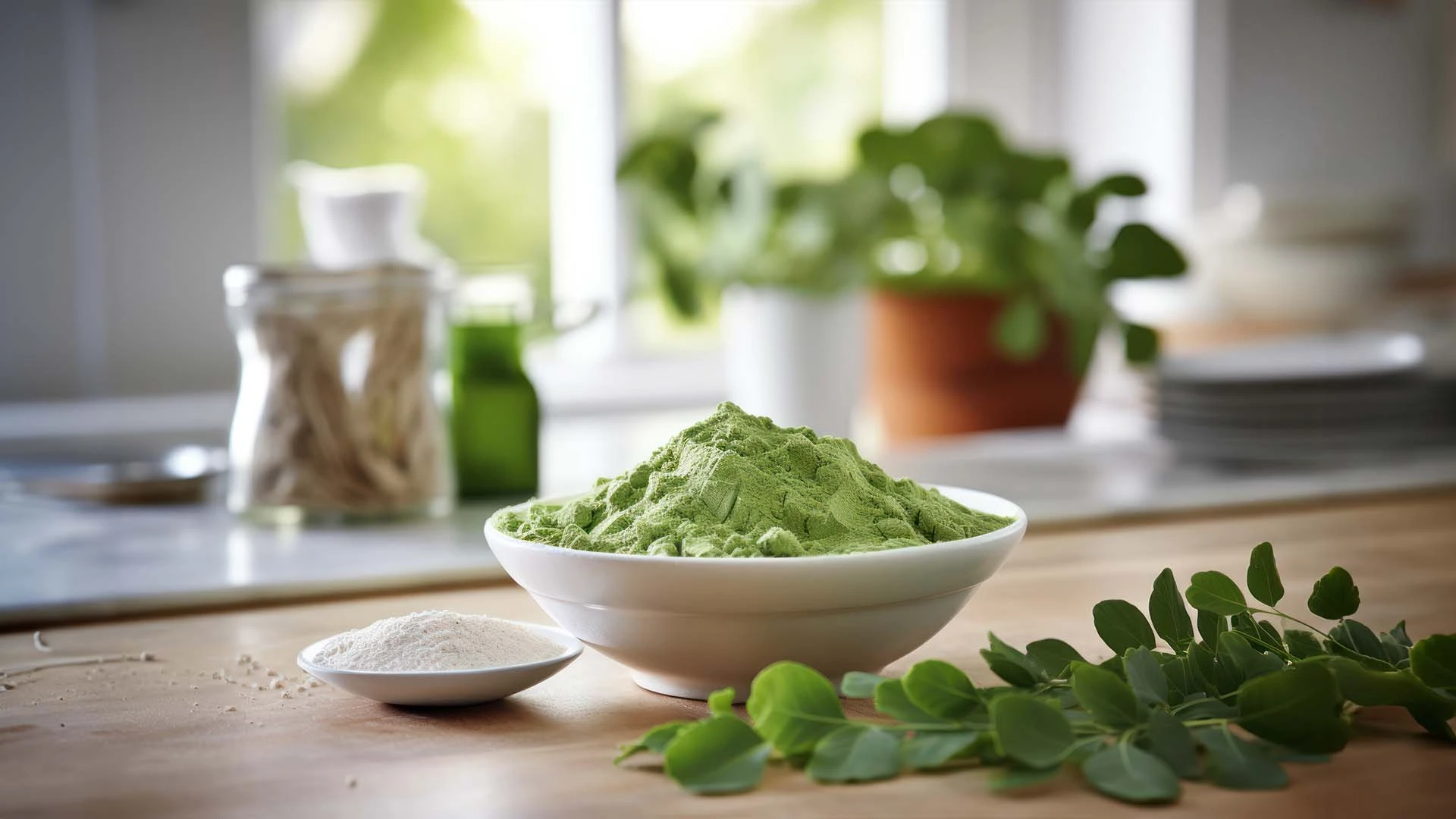


The moringa plant has earned its title as the "miracle tree" for good reason. This powerhouse superfood delivers an impressive protein content that's revolutionizing how athletes and fitness enthusiasts approach their nutrition. Moringa protein powder offers a complete amino acid profile, making it a game-changing addition to any performance-focused diet.
Unlike traditional protein sources, moringa protein brings more than just muscle-building benefits to the table. It combines high-quality protein with essential vitamins, minerals, and antioxidants in one convenient package. This unique nutritional density makes it particularly valuable for those seeking comprehensive wellness support alongside their fitness goals.
Understanding how to properly use moringa protein powder can unlock its full potential for your health and performance objectives. From optimal timing to creative preparation methods, this guide will help you maximize every scoop.
The moringa plant, scientifically known as Moringa oleifera, delivers exceptional nutritional value through its leaves. When processed into powder form, these moringa leaves retain their impressive nutrient density, making moringa supplements a concentrated source of wellness benefits.
Moringa protein stands out among plant-based options because it contains all nine essential AmIno aciDS. This complete amino acid profile is rare in the plant kingdom, making moringa nutrition particularly valuable for those following vegetarian or vegan lifestyles.
A typical serving of high-quality moringa powder provides approximately 7-9 grams of protein per 100 grams. While this might seem modest compared to isolated protein powders, the bioavailability and accompanying nutrients make each gram highly effective for muscle synthesis and recovery.
What sets moringa health benefits apart is the exceptional micronutrient content. The moringa superfood provides significant amounts of Vitamin C, Vitamin A, iron, calcium, and potassium. These nutrients work synergistically with the protein content to support overall health and athletic performance.
The iron content is particularly noteworthy, as it supports oxygen transport throughout the body. This becomes crucial for athletes who need efficient oxygen delivery to working muscles during intense training sessions.
Did You Know?
Moringa leaves contain more Vitamin C per gram than oranges, more calcium than milk, and more iron than spinach. This nutrient density makes moringa protein powder a true multitasker in your supplement routine.
The moringa benefits extend far beyond basic nutrition, offering specific advantages for those with active lifestyles. Understanding these benefits helps optimize your supplementation strategy for maximum results.
The complete amino acid profile in moringa protein supports muscle protein synthesis, the process by which your body builds and repairs muscle tissue. The presence of branched-chain amino acids (BCAAs) particularly leucine, isoleucine, and valine helps trigger muscle recovery pathways.
Research suggests that the anti-inflammatory compounds in moringa may also help reduce exercise-induced muscle damage. This dual action of providing building blocks while reducing inflammation creates an optimal environment for muscle adaptation and growth.
The B-vitamin content in moringa powder supports energy metabolism at the cellular level. These vitamins help convert carbohydrates, fats, and proteins into usable energy, making your nutrition more efficient for fueling workouts and daily activities.
The iron content also plays a crucial role in energy production by supporting oxygen transport. Adequate iron levels help prevent fatigue and maintain energy levels throughout demanding training sessions.
Chronic inflammation can hinder recovery and performance. Moringa for athletes offers natural anti-inflammatory compounds, including quercetin and chlorogenic acid, which may help manage exercise-induced inflammation.
These compounds work differently than synthetic anti-inflammatory medications, supporting the body's natural healing processes while reducing excessive inflammatory responses that could impair recovery.
Maximizing moringa protein benefits requires strategic timing and proper preparation methods. Understanding these factors helps ensure you're getting the most from your supplementation.
For general health maintenance, 1-2 teaspoons of moringa powder daily provides beneficial nutrition without overwhelming your system. Active individuals may benefit from slightly higher amounts, particularly around workout times.
Start with smaller amounts and gradually increase to assess your body's response. Some people may experience mild digestive effects when first introducing moringa supplements, so gradual introduction helps minimize any discomfort.
Post-workout consumption can be particularly beneficial, as the amino acids support muscle recovery when your body is primed for nutrient uptake. The carbohydrate content in moringa also helps replenish glycogen stores after training.
Morning consumption provides steady nutrient release throughout the day, supporting sustained energy levels and overall wellness. The vitamin and mineral content makes it an excellent addition to breakfast routines.
Mixing moringa protein powder into smoothies masks any earthy taste while combining it with other beneficial ingredients. Banana, mango, or pineapple pair particularly well with moringa's flavor profile.
For those who prefer savory applications, moringa powder can be stirred into soups, salad dressings, or even sprinkled over yogurt. The key is starting with small amounts and adjusting to taste preferences.
Heat-sensitive nutrients in moringa are best preserved through minimal processing. Adding moringa powder to drinks or foods after cooking helps maintain maximum nutritional value.
Not all moringa protein powders offer the same benefits. Understanding quality markers helps ensure you're investing in a product that delivers optimal results.
Low-temperature drying preserves heat-sensitive nutrients better than high-heat processing. Look for products that specify gentle drying methods to ensure maximum nutrient retention.
Organic certification indicates the moringa plant was grown without synthetic pesticides or fertilizers. This becomes particularly important given that you're consuming the leaves in concentrated form.
High-quality moringa powder should have a vibrant green color, indicating proper processing and storage. Dull or brown coloration may suggest nutrient degradation from heat exposure or age.
The texture should be fine and uniform, without clumping or grittiness that might indicate moisture exposure or poor processing conditions.
The growing body of research on moringa nutrition supports many traditional uses while revealing new potential applications for modern wellness goals.
Studies have identified multiple antioxidant compounds in moringa leaves, including vitamin C, beta-carotene, and various polyphenols. These compounds help protect cells from oxidative stress, which can accumulate during intense training.
The ORAC (Oxygen Radical Absorbance Capacity) value of moringa is notably high, indicating strong antioxidant potential. This measurement helps quantify the ability to neutralize harmful free radicals in the body.
Research suggests that moringa's vitamin C content, combined with other immune-supporting nutrients, may help maintain healthy immune function. This becomes particularly valuable for athletes who may experience temporary immune suppression after intense training.
The zinc and iron content also contribute to immune system function, supporting the body's natural defense mechanisms during periods of physical stress.
While moringa is generally considered safe for most people, certain considerations apply to specific populations. Pregnant and lactating women should consult healthcare providers before adding new supplements to their routine.
People taking medications should also seek professional guidance, as moringa's nutrient density could potentially interact with certain treatments, particularly those for diabetes or blood pressure.
Starting with smaller doses helps identify any individual sensitivities before establishing regular consumption patterns. Most people tolerate moringa well, but individual responses can vary.
Yes, moringa protein contains all nine essential amino acids, making it a complete protein source. This is unusual among plant-based proteins and makes moringa particularly valuable for muscle maintenance and growth.
For general health, 1-2 teaspoons daily is typically recommended. Active individuals may benefit from slightly higher amounts, particularly around workout times. Start with smaller amounts and gradually increase based on your body's response.
While you can mix moringa with warm drinks, excessive heat may degrade some heat-sensitive nutrients like Vitamin C. For maximum nutritional benefit, add moringa to beverages after they've cooled slightly or use room temperature liquids.
Moringa is generally considered safe for children in small amounts, but it's best to consult with a pediatrician before introducing any new supplements to a child's diet. The nutrient density makes even small amounts potentially beneficial.
Some people report increased energy within days of starting moringa supplementation, while other benefits like improved recovery may take several weeks of consistent use to become noticeable. Individual responses vary based on overall health status and lifestyle factors.
Moringa protein powder offers a unique combination of complete protein and essential nutrients that can significantly enhance your wellness routine. The key to maximizing benefits lies in consistent use, proper timing, and choosing high-quality products that preserve the plant's natural nutritional value. Whether you're an athlete seeking improved recovery or someone looking to boost daily nutrition, moringa's comprehensive nutrient profile makes it a valuable addition to a balanced lifestyle. As with any supplement, individual needs vary, so consider consulting with healthcare professionals to determine the best approach for your specific goals and circumstances.




Someone sent you
Powered by ReferRush


