Master Natural Electrolyte Sources: Complete Guide
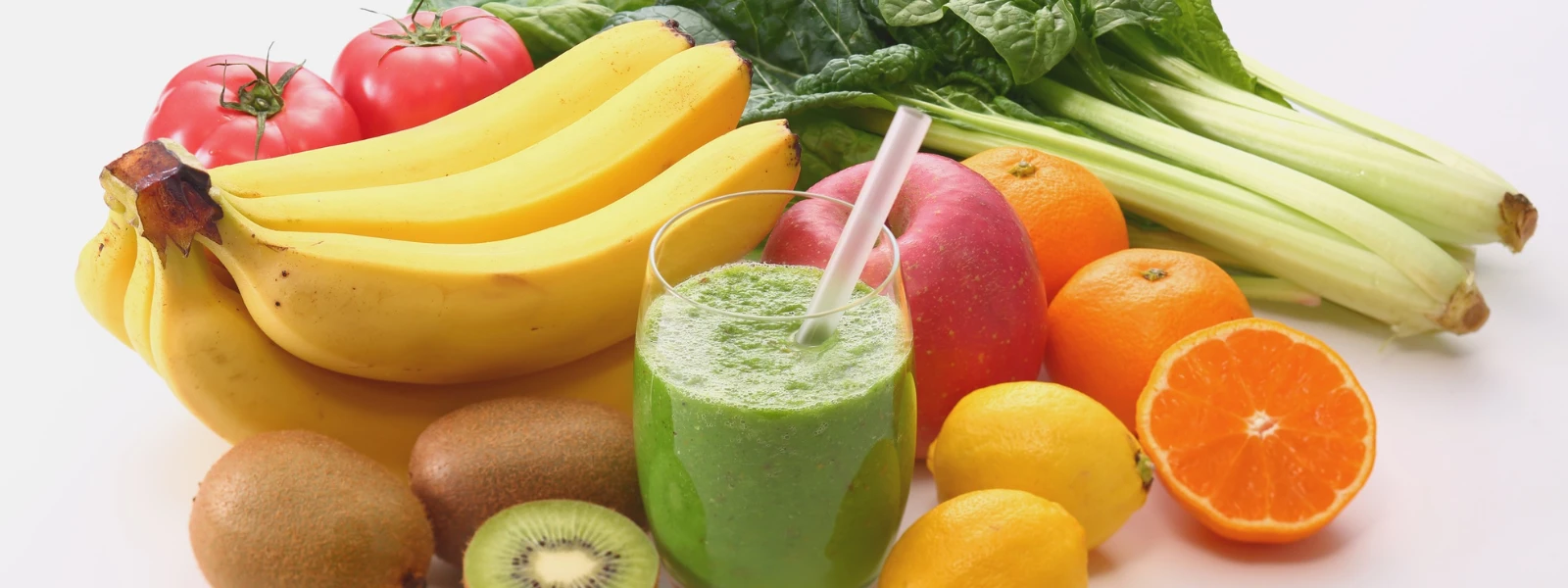


Your body depends on a delicate balance of minerals to function at its best. These essential minerals, called electrolytes, power everything from muscle contractions to nerve signals. While sports drinks dominate the market, nature provides abundant sources of these vital nutrients through whole foods and natural beverages.
This comprehensive guide explores the most effective natural electrolyte sources available, helping you understand how to fuel your body with clean, nutrient-dense options. You'll discover which foods pack the most electrolyte power, learn optimal timing strategies, and master simple recipes for homemade hydration solutions.
Electrolytes are minerals that carry an electric charge when dissolved in body fluids. These charged particles enable critical functions like muscle contractions, nerve transmission, and fluid balance regulation. Your body requires five primary electrolytes: sodium, potassium, magnesium, calcium, and chloride.
Unlike synthetic alternatives found in many commercial products, natural electrolytes come packaged with complementary nutrients that enhance absorption and utilization. Whole food sources provide these minerals alongside vitamins, antioxidants, and fiber that support overall health.
When electrolyte levels drop, you might experience muscle cramps, fatigue, headaches, or irregular heartbeat. Athletes and active individuals face higher risks due to increased losses through sweat. However, even sedentary people can develop imbalances from poor dietary choices or certain medications.
Did You Know?
Your body loses approximately 500-700mg of sodium per hour during moderate exercise. Natural sources like sea salt and celery provide this sodium alongside other beneficial minerals that synthetic options lack.
Potassium regulates muscle contractions and maintains proper heart rhythm. This mineral also helps balance sodium levels and supports healthy blood pressure. Adults need approximately 3,500-4,700mg daily, with athletes requiring even more.
Bananas top most people's potassium lists, providing about 400mg per medium fruit. However, other potassium rich foods offer even higher concentrations. Sweet potatoes deliver 540mg per medium potato, while avocados provide 690mg per cup. White beans pack an impressive 1,000mg per cup, making them excellent choices for serious athletes.
Timing matters for potassium intake. Consume these foods 30-60 minutes before exercise to support muscle function. Post-workout, potassium helps restore cellular balance and prevents cramping during recovery.
Sodium gets a bad reputation, but active individuals need adequate amounts to maintain blood volume and enable proper muscle function. The key lies in choosing quality sodium sources that provide additional minerals.
Sea salt contains trace minerals like magnesium and potassium that refined table salt lacks. Himalayan pink salt offers similar benefits with a distinctive mineral profile. For food sources, celery provides natural sodium alongside beneficial compounds like apigenin. Olives deliver sodium with healthy fats, while seaweed varieties like kelp provide sodium plus iodine and other trace minerals.
Athletes should aim for 200-700mg sodium per hour during prolonged exercise, depending on sweat rate and environmental conditions.
Magnesium supports over 300 enzymatic reactions in your body, including energy production and protein synthesis. This mineral proves especially important for post workout recovery and sleep quality.
Magnesium rich foods include dark leafy greens like spinach and kale, which provide easily absorbed forms of this mineral. Nuts and seeds offer concentrated sources - almonds contain 80mg per ounce, while pumpkin seeds provide 150mg per ounce. Dark chocolate with 70% cacao or higher delivers 64mg per ounce alongside beneficial antioxidants.
Magnesium absorption improves when consumed with Vitamin D and decreases with high calcium intake. Space magnesium-rich foods away from calcium-heavy meals for optimal uptake.
Calcium maintains bone density and enables muscle contractions. While dairy products remain popular calcium sources, many plant-based options provide this mineral effectively.
Sardines with bones offer 325mg per 3.5-ounce serving, plus beneficial omega-3 fatty acids. Collard greens provide 270mg per cup with excellent bioavailability. Tahini delivers 120mg per two tablespoons, making it perfect for athletes following plant-based diets.
Calcium works synergistically with magnesium and Vitamin D. Maintain a 2:1 calcium to magnesium ratio for optimal bone health and muscle function.
Coconut water stands out as nature's original sports drink. This clear liquid contains potassium, sodium, magnesium, and calcium in naturally balanced proportions. One cup provides 600mg potassium and 252mg sodium, making it ideal for moderate exercise sessions.
Creating homemade electrolyte drinks allows complete control over ingredients and mineral content. A simple recipe combines two cups filtered water, quarter cup fresh lemon juice, quarter cup lime juice, two tablespoons raw honey, and quarter teaspoon sea salt. This mixture provides approximately 400mg potassium and 300mg sodium.
For enhanced mineral content, add a pinch of food-grade potassium chloride or magnesium powder. Watermelon juice naturally contains electrolytes and provides additional hydration benefits. Milk offers complete electrolyte coverage with added protein for recovery.
Electrolyte timing significantly impacts performance and recovery outcomes. Pre-exercise loading should occur 2-4 hours before activity, allowing time for absorption and distribution. Focus on potassium-rich fruits and moderate sodium intake during this window.
During exercise lasting over 60 minutes, quick-absorbing options work best. Coconut water, diluted fruit juices, or homemade drinks provide rapid electrolyte replacement without digestive stress. Aim for 150-250mg sodium and 200-300mg potassium per hour.
Post workout recovery requires comprehensive electrolyte replacement plus protein for muscle repair. Combine potassium-rich foods like bananas with protein sources and moderate sodium intake. This combination optimizes glycogen replenishment and muscle protein synthesis.
Daily maintenance through whole foods ensures consistent electrolyte status. Include a variety of fruits, vegetables, nuts, and quality salt sources throughout regular meals.
Successful electrolyte management starts with strategic meal planning. Begin each day with magnesium-rich foods like oatmeal topped with nuts and seeds. Include potassium sources at every meal - add avocado to breakfast, sweet potato at lunch, and white beans at dinner.
Seasonal rotation maximizes nutrient variety and cost-effectiveness. Summer brings watermelon and other high-water fruits perfect for hot weather hydration. Winter squashes provide concentrated minerals during colder months when fresh options become limited.
Budget-friendly strategies include buying frozen vegetables, purchasing nuts in bulk, and choosing seasonal produce. Canned fish with bones offers affordable calcium, while dried seaweed provides trace minerals at minimal cost.
Combine foods strategically for enhanced absorption. Pair Vitamin C-rich citrus with iron-containing leafy greens. Include healthy fats with fat-soluble vitamins. Space calcium and magnesium intake throughout the day rather than consuming large amounts simultaneously.
Focus on whole foods like leafy greens for magnesium, fruits like bananas and avocados for potassium, quality sea salt for sodium, and dairy or sardines for calcium. Include a variety of these foods throughout your day rather than relying on single sources.
Mix two cups water, quarter cup fresh lemon juice, quarter cup lime juice, two tablespoons honey, and quarter teaspoon sea salt. This provides balanced electrolytes without artificial additives. Adjust salt content based on your sweat rate and exercise intensity.
Coconut water provides the most complete natural electrolyte profile for sports electrolytes. Watermelon juice offers additional hydration benefits, while milk provides electrolytes plus protein for recovery. Choose based on exercise duration and intensity.
Yes, a well-planned diet with diverse electrolyte foods can meet most people's needs. Athletes with high sweat rates may need additional sodium during prolonged exercise, but daily requirements are easily met through whole food sources.
Pickle juice provides rapid sodium delivery, while banana offers quick potassium. For immediate relief, try a small amount of sea salt dissolved under the tongue, followed by potassium-rich foods within 15-30 minutes.
Mastering natural electrolyte sources empowers you to fuel your body with clean, nutrient-dense options that support optimal performance and health. From potassium-packed fruits to magnesium-rich leafy greens, nature provides everything needed for proper electrolyte balance. Strategic timing and thoughtful meal planning ensure consistent mineral status without relying on synthetic alternatives. Whether you're an endurance athlete or simply seeking better hydration sources, these whole food approaches deliver superior nutrition alongside essential electrolytes. Start incorporating these natural options into your daily routine and experience the difference that quality nutrition makes in your energy, performance, and overall well-being.




Someone sent you
Powered by ReferRush


