Minerals Lost in Sweat: Complete Athlete's Guide
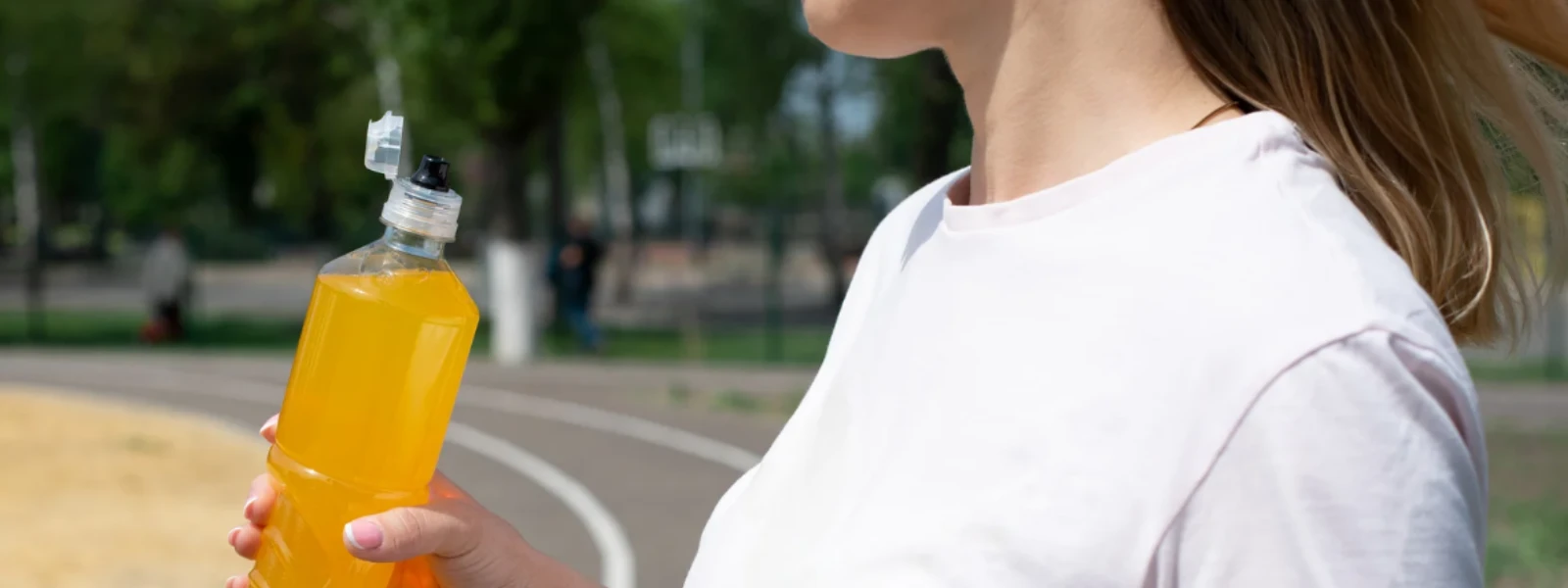


When you push your body through intense training sessions, you're not just losing water through sweat. Your body is also releasing essential minerals that power muscle contractions, maintain fluid balance, and support optimal performance. Understanding which minerals lost in sweat and how to replace them effectively can be the difference between peak performance and hitting the wall.
This comprehensive guide explores the science behind sweat composition, identifies critical warning signs of mineral depletion, and provides evidence-based strategies for maintaining optimal electrolyte balance during and after exercise. Whether you're training for your first marathon or competing at elite levels, mastering mineral replacement will enhance your performance and accelerate recovery.
Your sweat isn't just water. It's a complex fluid containing vital minerals that your muscles and nervous system depend on for proper function. The primary minerals lost in sweat include sodium, potassium, magnesium, calcium, and chloride, each playing crucial roles in athletic performance.
Research shows that the average person loses approximately 400-700 milligrams of sodium per liter of sweat, making it the most abundant mineral lost during exercise. Potassium follows at roughly 150-300 milligrams per liter, while magnesium and calcium losses are smaller but still significant at 10-40 milligrams each per liter.
Your personal mineral loss rates depend on several factors. Genetics influence your sweat composition, with some athletes naturally losing more sodium than others. Fitness level matters too - well-trained athletes often have more dilute sweat, losing fewer minerals per liter but potentially more overall due to higher sweat rates.
Heat acclimatization significantly affects sweat composition. After 7-14 days of regular heat exposure, your body becomes more efficient at conserving sodium, reducing losses by up to 50%. This adaptation explains why athletes training in hot climates often perform better in challenging conditions.
Recognizing early warning signs of mineral depletion can prevent performance decline and serious health complications. Electrolyte imbalance symptoms often develop gradually, making them easy to miss until they significantly impact your training.
Early symptoms include muscle twitching, mild cramping, and increased thirst that water alone doesn't satisfy. You might notice decreased coordination or feel unusually fatigued despite adequate sleep. These subtle signs indicate your body's mineral stores are becoming depleted.
As electrolyte imbalance worsens, symptoms become more pronounced. Severe muscle cramps, particularly in large muscle groups like calves and quadriceps, signal significant sodium and potassium losses. Mental confusion, dizziness, and nausea indicate more serious depletion requiring immediate attention.
It's important to distinguish between dehydration symptoms and electrolyte deficiency. Pure dehydration typically causes dark urine, dry mouth, and headaches. Electrolyte imbalance adds muscle dysfunction, altered heart rhythm, and neurological symptoms to this picture.
Did You Know?
Athletes can lose up to 3 grams of sodium during a single intense training session - equivalent to about 1.5 teaspoons of salt. This massive loss explains why water alone often fails to restore proper hydration after heavy sweating.
Sodium loss during exercise affects multiple physiological systems. Sodium maintains fluid balance between your cells and blood, ensuring proper muscle contraction and nerve signal transmission. When sodium levels drop, your body struggles to maintain blood volume, leading to decreased cardiac output and reduced oxygen delivery to working muscles.
Heat cramps represent one of the most common consequences of excessive sodium loss. These painful, involuntary muscle contractions typically occur in heavily used muscle groups during or after intense exercise in hot conditions. The cramping results from altered nerve function due to low sodium levels around muscle fibers.
While sodium replacement is crucial, overconsumption of plain water can dilute blood sodium to dangerous levels, causing hyponatremia. This condition occurs when athletes drink excessive amounts of water without replacing lost sodium, particularly during ultra-endurance events lasting several hours.
Individual sodium needs vary significantly. Salty sweaters - those who notice white residue on clothing or skin after exercise - typically require more aggressive sodium replacement than athletes with less salty sweat.
Potassium depletion often flies under the radar but significantly impacts athletic performance. This mineral regulates muscle contractions, nerve impulses, and fluid balance within cells. Unlike sodium, which primarily affects extracellular fluid, potassium works inside your cells to maintain proper function.
Early signs of potassium depletion include muscle weakness, fatigue that seems disproportionate to your effort level, and irregular heartbeat during or after exercise. Advanced depletion can cause severe muscle cramps, particularly in the legs and abdomen.
During intense exercise, potassium shifts from inside muscle cells to the bloodstream, then gets lost through sweat. This process explains why muscle cramps electrolytes issues often involve both sodium and potassium deficiencies working together.
Recovery becomes significantly slower when potassium stores remain depleted. Your muscles struggle to rebuild glycogen stores and repair exercise-induced damage without adequate potassium levels.
Effective exercise hydration goes beyond simply drinking when thirsty. Pre-exercise preparation should begin 2-3 hours before training with 400-600ml of fluid containing moderate amounts of sodium. This approach ensures you start exercise well-hydrated with optimal mineral levels.
During exercise lasting longer than 60 minutes, aim to replace 150-250ml of fluid every 15-20 minutes. The fluid should contain 200-300mg of sodium and 50-100mg of potassium per 250ml serving to match typical sweat losses.
Hot, humid conditions dramatically increase mineral losses through increased sweat rates. High altitude exercise also affects hydration needs due to increased respiratory water losses and altered kidney function. Adjust your exercise hydration strategy based on these environmental factors.
Cold weather exercise still requires attention to mineral replacement, as you continue sweating despite feeling cool. The reduced thirst sensation in cold conditions often leads to inadequate fluid and mineral intake.
Post workout recovery mineral replacement should begin within 30 minutes of finishing exercise when your body's absorption capacity is highest. This window of enhanced uptake allows for more efficient restoration of depleted mineral stores.
Food-based recovery strategies often prove more effective than supplements alone. Chocolate milk provides an excellent combination of sodium, potassium, and carbohydrates for recovery. Bananas offer high potassium content, while pretzels or salted nuts provide needed sodium.
Complete mineral restoration typically takes 12-24 hours depending on the extent of losses and replacement strategies used. Monitor your recovery by tracking morning body weight, urine color, and how you feel during subsequent training sessions.
Quality sleep plays a crucial role in mineral restoration as your kidneys work to rebalance electrolyte levels during rest periods. Poor sleep can extend recovery time and leave you starting the next training session with suboptimal mineral status.
Most athletes lose 200-800mg of sodium per hour during moderate to intense exercise. Individual rates vary based on sweat rate, sweat sodium concentration, and environmental conditions. Salty sweaters may lose over 1000mg per hour in hot conditions.
Proper sodium and potassium intake significantly reduces cramping risk, but other factors like muscle fatigue, dehydration, and inadequate conditioning also contribute. Maintaining electrolyte balance addresses one major cause but may not prevent all exercise-related cramps.
Thirst primarily signals fluid needs but doesn't accurately reflect mineral requirements. You can feel thirsty when adequately hydrated but low in electrolytes, or feel satisfied after drinking plain water while still needing mineral replacement.
Exercise lasting longer than 60 minutes, high sweat rates, hot conditions, or multiple training sessions per day typically require electrolyte replacement beyond plain water. Signs like persistent thirst after drinking, muscle twitching, or fatigue suggest mineral needs.
With proper replacement strategies, most athletes restore mineral balance within 12-24 hours. However, complete cellular rehydration and glycogen restoration may take up to 48 hours after very intense or prolonged exercise sessions.
Understanding and managing minerals lost in sweat forms the foundation of effective athletic performance and recovery. The key lies in recognizing your individual sweat composition, monitoring for signs of electrolyte imbalance, and implementing targeted replacement strategies that match your specific needs and training demands.
Successful mineral management requires attention to timing, environmental factors, and individual variation. By applying these evidence-based strategies, you can maintain optimal performance, reduce cramping risk, and accelerate recovery between training sessions. Remember that proper mineral balance works hand-in-hand with overall nutrition and hydration strategies to support your athletic goals.




Someone sent you
Powered by ReferRush


