Post-Exercise Hydration: Sports Drinks vs. Water for Athletes
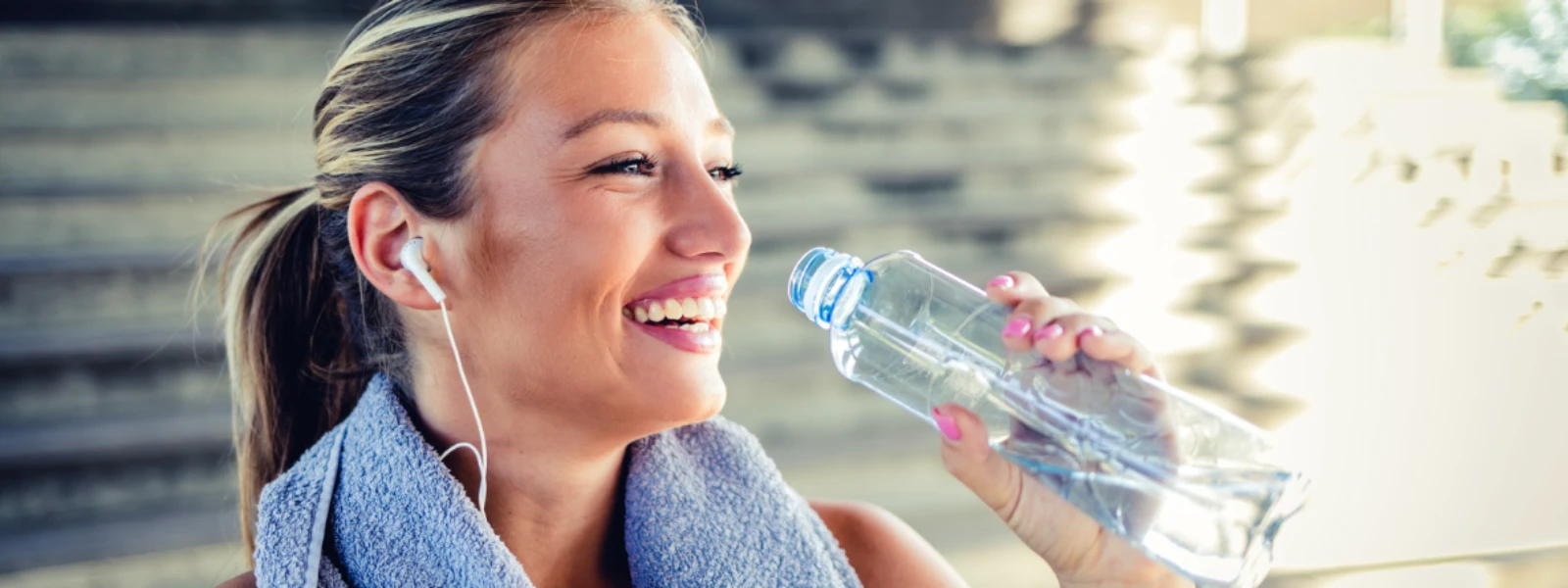


When you finish an intense workout, your body has lost precious fluids through sweat and respiration. The question isn't whether you should rehydrate—it's how to do it most effectively. With countless options from plain water to specialized sports drinks, athletes often wonder what is the best way to rehydrate after exercise. This comprehensive guide examines the science behind post-exercise hydration, compares different rehydration strategies, and provides evidence-based recommendations to optimize your recovery and performance.
Post-exercise hydration goes far beyond simply quenching your thirst. During physical activity, your body loses fluids through sweat and increased breathing rates. Even a 2% loss in body weight from fluid loss can significantly impact athletic performance, leading to decreased endurance, reduced strength, and impaired cognitive function.
Research shows that proper rehydration after workout sessions is crucial for several physiological processes. Your body needs adequate fluid levels to transport nutrients to muscles, regulate body temperature, and support the removal of metabolic waste products. When you're dehydrated, your heart works harder to pump blood, and your muscles receive less oxygen and nutrients needed for recovery.
The golden rule for optimal rehydration is the 125-150% replacement principle. This means you should drink 1.25 to 1.5 times the amount of fluid you lost during exercise. For example, if you lost 2 pounds during your workout, you should consume 32-48 ounces of fluid over the following hours.
Timing also plays a critical role in hydration for athletes. The most effective rehydration window begins immediately after exercise and extends for several hours. Your body's ability to absorb fluids is enhanced during this period, making it the optimal time to restore fluid balance.
Recognizing signs of dehydration is essential for maintaining peak performance and preventing health complications. Early detection allows you to address fluid deficits before they impact your training or competition.
The most immediate warning signs include feeling thirsty, developing a headache, or experiencing light-headedness. However, thirst is actually a late indicator of dehydration, meaning your body is already in a fluid deficit state when you feel thirsty.
Physical indicators provide more reliable assessment tools. Dark yellow urine with a strong odor signals concentrated waste products due to insufficient fluid intake. Healthy hydration typically produces pale yellow or clear urine. Additionally, reduced urination frequency indicates your kidneys are conserving water due to low fluid levels.
Advanced symptoms require immediate attention and include persistent dizziness, extreme fatigue, dry mouth and lips, and sunken eyes. These signs suggest significant dehydration that can impair performance and potentially lead to heat-related illnesses.
A simple self-assessment technique involves weighing yourself before and after exercise. Any weight loss represents fluid loss that needs replacement. This method provides objective data about your individual sweat rate and hydration needs.
The debate between sports drinks vs water for post-exercise hydration depends largely on workout intensity, duration, and environmental conditions. Understanding when each option provides optimal benefits helps you make informed decisions about your rehydration strategy.
Water serves as an excellent choice for low-intensity activities lasting less than 60 minutes. During shorter workouts, your body primarily loses water through sweat, and electrolyte losses remain minimal. Plain water effectively restores fluid balance without unnecessary additives or calories.
Sports drinks excel during high-intensity, prolonged exercise sessions, particularly those exceeding 60 minutes or occurring in hot, humid conditions. These beverages contain carefully balanced electrolytes—primarily sodium, potassium, and sometimes magnesium—that replace minerals lost through extensive sweating.
Electrolyte replacement becomes crucial because these minerals maintain proper muscle function, nerve transmission, and fluid balance. Sodium helps your body retain fluids and stimulates thirst, encouraging continued drinking. Potassium supports muscle contractions and helps prevent cramping.
Did You Know?
Your sweat contains approximately 460-1,840 mg of sodium per liter, depending on individual factors and acclimatization. During intense exercise lasting over an hour, replacing these electrolytes becomes as important as replacing lost fluids.
From a cost-benefit perspective, recreational athletes engaging in moderate exercise can typically rely on water and a balanced diet to meet their hydration needs. Competitive athletes or those training intensively may benefit from the enhanced rehydration properties of properly formulated sports drinks.
Effective rehydration after workout sessions requires strategic planning and proper execution. The most scientifically supported approach follows the 1.5x rule, which involves drinking 150% of the fluid lost during exercise over the subsequent 4-6 hours.
To implement this strategy, weigh yourself immediately before and after exercise while wearing minimal clothing. Each pound of weight loss represents approximately 16 ounces of fluid loss. Multiply this amount by 1.5 to determine your total rehydration needs.
Optimal rehydration timeline involves gradual fluid intake rather than rapid consumption. Drinking large volumes quickly can lead to increased urination and reduced fluid retention. Instead, consume 6-8 ounces every 15-20 minutes during the first hour post-exercise, then continue with smaller, regular sips.
Temperature considerations significantly impact absorption rates. Cool fluids between 50-59°F (10-15°C) are absorbed faster than warm beverages and help with core temperature regulation. However, avoid ice-cold drinks immediately after intense exercise, as they may cause stomach discomfort.
Monitoring techniques help you track hydration effectiveness. Beyond pre and post-exercise weighing, observe urine color and frequency. Successful rehydration should result in pale yellow urine within 2-4 hours post-exercise.
While water and commercial sports drinks dominate rehydration discussions, several alternative options provide unique benefits for muscle recovery drinks and electrolyte replacement.
Chocolate milk has emerged as a surprising champion for post-exercise recovery. Research demonstrates that low-fat chocolate milk provides an optimal 3:1 or 4:1 ratio of carbohydrates to protein, supporting both rehydration and muscle protein synthesis. The natural sugars help replenish glycogen stores while the protein aids muscle repair.
Coconut water offers a natural electrolyte source with higher potassium content than most sports drinks. However, it contains lower sodium levels, making it more suitable for moderate exercise rather than intense, prolonged activities where significant sodium replacement is needed.
DIY solutions can provide cost-effective alternatives with superior ingredients and highly absorbable formats. A simple homemade electrolyte drink combines 1/4 teaspoon of sea salt, 2 tablespoons of lemon juice, and 1 tablespoon of honey in 16 ounces of water. This mixture provides natural electrolytes and carbohydrates for effective rehydration.
Beverages to avoid include those high in caffeine or alcohol, as these can promote diuresis and hinder rehydration efforts. Energy drinks with excessive caffeine content may actually worsen dehydration despite their fluid volume.
When time is limited, focus on fast-acting hydration strategies. Consume 16-20 ounces of fluid immediately post-exercise, choosing options with moderate sodium content to enhance absorption. Portable solutions like electrolyte tablets or powder packets provide convenient options for on-the-go recovery.
Emergency rehydration protocols involve consuming fluids with higher sodium concentrations (300-700 mg per 8 ounces) to maximize fluid retention when severe dehydration is suspected.
Performance hydration requires avoiding several common pitfalls that can undermine your rehydration efforts. Understanding these mistakes helps you develop more effective hydration strategies.
One frequent error involves drinking large volumes of plain water immediately after intense exercise without considering electrolyte replacement. This approach can lead to hyponatremia, a dangerous condition where blood sodium levels become dangerously diluted.
Over-hydration presents another risk, particularly when athletes consume excessive amounts of low-sodium fluids. This condition can cause cellular swelling and potentially life-threatening complications. The key is matching fluid intake to actual losses rather than drinking beyond physiological needs.
Many athletes ignore electrolyte replacement after long workouts, assuming water alone will suffice. During exercise lasting over 60 minutes or in hot conditions, electrolyte losses become significant and require targeted replacement.
Relying solely on thirst as a hydration indicator proves inadequate for optimal performance. Thirst mechanisms lag behind actual fluid needs, meaning you're already dehydrated when you feel thirsty. Proactive hydration strategies work better than reactive approaches.
Drink 125-150% of the fluid you lost during exercise, spread over 4-6 hours. Include electrolytes if you exercised intensely for over 60 minutes. Cool fluids are absorbed faster than warm ones, and adding a small amount of sodium enhances fluid retention.
Key signs include feeling thirsty, headache, dark yellow urine, reduced urination frequency, dizziness, fatigue, and dry mouth. Advanced symptoms like sunken eyes or persistent dizziness require immediate attention and aggressive rehydration.
Water works well for workouts under 60 minutes or low-intensity activities. Choose sports drinks for intense exercise over 60 minutes, hot weather training, or when you've lost significant electrolytes through heavy sweating.
Weigh yourself before and after exercise. For every pound lost, drink 16-24 ounces of fluid. If you lost 2 pounds, consume 32-48 ounces over the next 4-6 hours, not all at once.
Yes, over-hydration can lead to hyponatremia, where blood sodium levels become dangerously low. Stick to replacing 125-150% of lost fluids and include electrolytes for longer or more intense workouts to maintain proper sodium balance.
The best way to rehydrate after exercise depends on your workout intensity, duration, and individual sweat rate. For most recreational activities under 60 minutes, water provides adequate rehydration. Longer or more intense sessions benefit from electrolyte replacement through sports drinks or natural alternatives like chocolate milk. Remember to drink 125-150% of lost fluids over several hours, monitor your hydration status through urine color and frequency, and avoid common mistakes like over-hydration or ignoring electrolyte needs. By implementing these science-based strategies, you'll optimize your recovery, maintain peak performance, and support your long-term athletic goals. Consider exploring comprehensive nutrition solutions that complement your hydration strategy for complete post-exercise recovery support.




Someone sent you
Powered by ReferRush


