Protein Diet Pros and Cons: Making an Informed Choice for Your Lifestyle
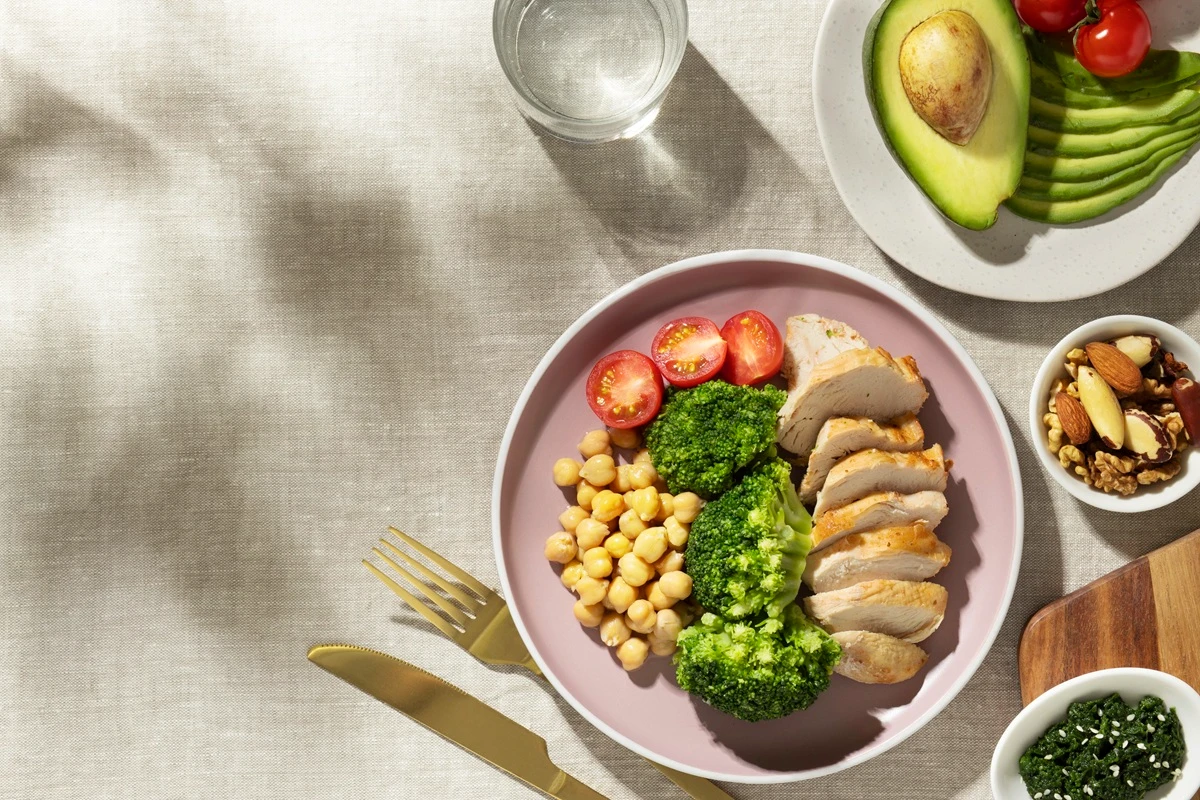


Protein has become the superstar nutrient of the fitness world, promising everything from sculpted muscles to sustained energy. With social media feeds filled with protein-packed meals and supplement recommendations, it's easy to get caught up in the hype. But like any dietary approach, protein diets come with both remarkable benefits and potential drawbacks that deserve your attention.
This comprehensive guide will walk you through the science-backed pros and cons of protein diets, helping you make an informed decision that aligns with your lifestyle and health goals. Whether you're an athlete looking to optimize performance or someone seeking better overall wellness, understanding these nuances will empower you to choose wisely.
A protein diet emphasizes increasing your daily protein intake above standard recommendations. While the typical person needs about 0.8 grams of protein per kilogram of body weight, these diets often suggest 1.2 to 2.0 grams per kilogram or more.
The high protein diet focuses primarily on boosting protein intake while maintaining balanced carbohydrates and fats. Meanwhile, a high protein low carb diet combines increased protein with reduced carbohydrate consumption. For athletes, a specialized protein diet for athletes considers training demands and recovery needs.
Protein serves as the building block for muscle tissue. When you follow a muscle building diet rich in protein, you provide your body with essential AmIno aciDS needed for muscle protein synthesis. This process becomes particularly important as we age, helping preserve lean muscle mass.
Protein-rich foods keep you feeling full longer than carbohydrates or fats. This increased satiety can naturally reduce overall calorie intake, supporting weight management goals without constant hunger pangs.
Your body burns more calories digesting protein compared to other macronutrients. This thermic effect means you're expending more energy just by eating protein rich foods, giving your metabolism a gentle boost.
Expert Tip
While protein is crucial for muscle building, don't overlook the importance of overall calorie intake and balanced nutrition. A well-rounded diet that includes adequate protein, along with proper training, is key to achieving your fitness goals.
Extremely high protein intake may strain kidney function in individuals with pre-existing kidney conditions. However, research suggests healthy kidneys can handle higher protein loads without issue.
Sudden increases in protein intake can cause digestive discomfort, including bloating or constipation. Your body needs time to adjust to dietary changes.
Focusing heavily on protein might lead to neglecting other essential nutrients. A truly beneficial approach requires attention to vitamins, minerals, and fiber from various food sources.
Quality matters as much as quantity. Choose lean meats, fish, eggs, dairy, legumes, and nuts. When selecting supplements, look for options with superior ingredients, highly absorbable formats, palatable flavors to support your goals effectively.
Calculate your needs based on body weight, activity level, and goals. Active individuals typically need more protein than sedentary people, while athletes may require the highest amounts.
Distribute protein throughout the day rather than consuming large amounts in single meals. Include protein sources at breakfast, lunch, dinner, and snacks to maintain steady amino acid availability for muscle synthesis.
Athletes and fitness enthusiasts have unique protein requirements. Post-workout protein consumption becomes crucial for recovery and adaptation. Timing protein intake around training sessions can optimize results, while combining it with carbohydrates supports both performance and recovery.
The recommended daily allowance for protein is 0.8 grams per kilogram of body weight. However, athletes and those looking to build muscle may need more, ranging from 1.2 to 2.0 grams per kilogram of body weight.
Yes, it's possible to build muscle on a plant-based protein diet. By consuming a variety of plant-based protein sources and ensuring adequate overall calorie intake, you can support muscle growth and recovery.
While high protein diets can be safe for many people, it's important to consult with a healthcare professional before making significant dietary changes, especially if you have existing health conditions like kidney disease.
Some quick high-protein snacks include Greek yogurt, hard-boiled eggs, protein bars, nuts and seeds, cottage cheese, and protein shakes.
A protein diet can aid in weight loss by increasing satiety, preserving lean muscle mass, and slightly boosting metabolism. However, overall calorie balance is still the most important factor for weight loss.
Protein diets offer numerous benefits, from muscle building to improved satiety and weight management. However, they also come with potential drawbacks that need careful consideration. The key to success lies in finding the right balance for your individual needs and goals. By understanding the pros and cons of protein diets and implementing them thoughtfully, you can make an informed choice that supports your health and fitness objectives. Remember to consult with a healthcare professional or registered dietitian before making significant changes to your diet, especially if you have any pre-existing health conditions. Consider exploring quality nutrition options that can complement your protein goals and support your overall wellness journey.




Someone sent you
Powered by ReferRush


