The 7 Essential Steps to Maximize 2 Spoon Peanut Butter Protein
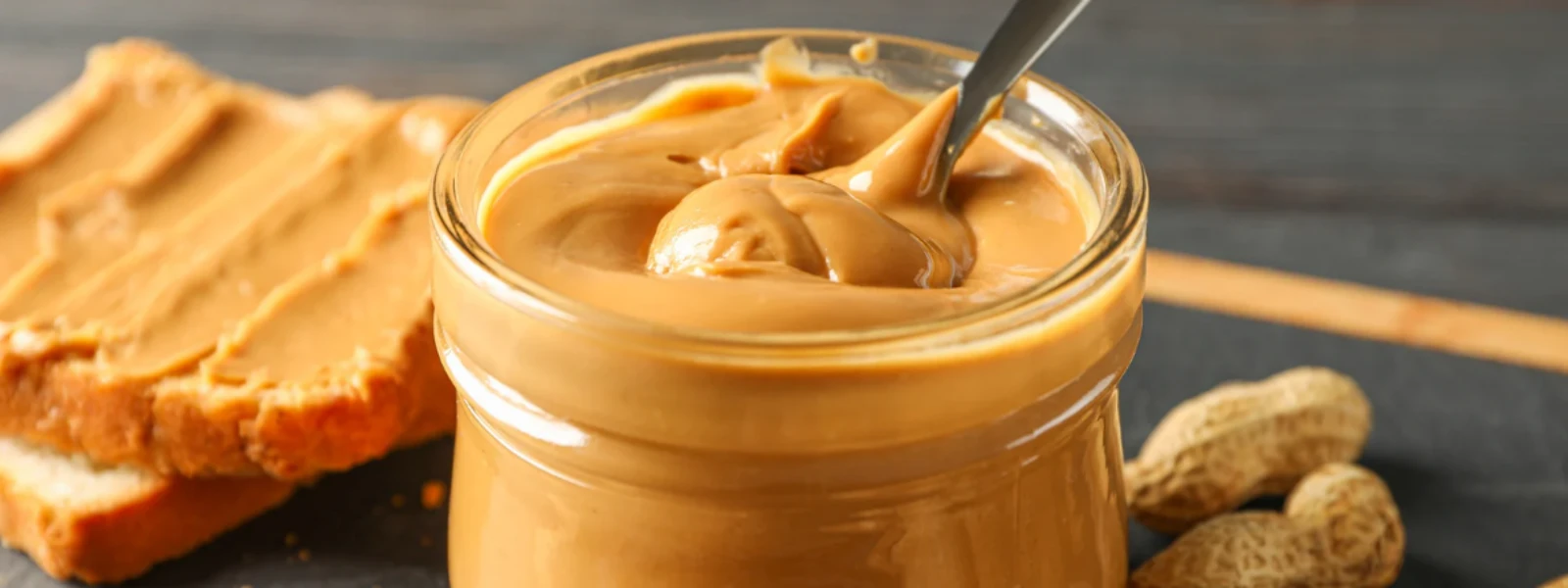


Two spoonfuls of peanut butter pack more than just flavor into your day. With approximately 8 grams of high-quality protein, this simple measure can become a cornerstone of your nutrition strategy. Whether you're an athlete pushing performance limits or someone seeking better muscle recovery, understanding how to maximize this protein source transforms ordinary snacking into purposeful nutrition.
The beauty of peanut butter protein lies in its convenience and bioavailability. Unlike many protein sources that require preparation or cooking, two spoons deliver immediate nutrition with remarkable staying power. Research shows that the protein in peanuts provides all essential amino acids, making it a complete protein source when combined strategically with other foods.
Two tablespoons of natural peanut butter contain approximately 7-8 grams of protein, but the story goes deeper than numbers. This protein comes bundled with healthy monounsaturated fats and fiber, creating a nutrient-dense package that supports sustained energy release and muscle protein synthesis.
The protein in peanut butter consists primarily of arachin and conarachin, storage proteins that provide excellent amino acid profiles. While not technically a complete protein on its own, peanut butter becomes complete when paired with complementary proteins throughout the day. The biological value remains high, with protein digestibility scoring around 70-80%.
Each serving provides substantial amounts of arginine, an amino acid crucial for blood flow and muscle recovery. Additionally, the leucine content, though moderate, contributes to muscle protein synthesis when consumed as part of a balanced protein intake strategy.
Beyond protein, those two spoons deliver approximately 16 grams of beneficial fats and 8 grams of carbohydrates. This macronutrient combination slows digestion, creating sustained amino acid release into the bloodstream. The result is prolonged muscle protein synthesis support, making peanut butter protein particularly valuable for recovery periods.
Maximizing 2 spoon peanut butter protein requires understanding when and how your body best utilizes these nutrients. Timing influences absorption rates, muscle protein synthesis, and overall performance benefits.
Consuming peanut butter protein 30-60 minutes before exercise provides sustained energy without digestive distress. The combination of protein and healthy fats supports stable blood sugar levels during extended training sessions. For optimal results, pair with easily digestible carbohydrates like banana slices.
While peanut butter protein digests more slowly than whey protein, it offers unique recovery advantages. The sustained amino acid release supports muscle repair over several hours, making it ideal for evening recovery meals or when combined with faster-acting protein sources in peanut butter protein shakes.
Expert Insight
Research published in the American Journal of Clinical Nutrition demonstrates that combining fast and slow-digesting proteins maximizes muscle protein synthesis. Two spoons of peanut butter paired with whey protein creates an optimal amino acid profile for extended recovery support.
Spreading peanut butter protein intake across multiple meals enhances overall protein utilization. Consider dividing the two spoons between breakfast and afternoon snacks, or incorporating into both pre and post-workout nutrition plans. This approach maintains steady amino acid availability throughout the day.
Transforming basic peanut butter into performance nutrition requires creativity and understanding of complementary ingredients. These applications maximize both protein absorption and palatability.
Creating the ultimate peanut butter protein shake involves balancing protein sources for optimal amino acid timing. Blend two spoons of natural peanut butter with one scoop of high-quality whey protein, unsweetened almond milk, and half a frozen banana. This combination provides approximately 30-35 grams of protein with varying absorption rates.
For enhanced muscle recovery, add spinach for additional micronutrients and Greek yogurt for extra protein density. The result is a peanut butter protein smoothie that supports both immediate and extended recovery needs.
Transform peanut butter into performance snacks by pairing with complementary proteins. Apple slices with peanut butter and a glass of milk creates a complete amino acid profile. Alternatively, whole grain crackers with peanut butter provide sustained energy for longer training sessions.
For convenient peanut butter protein bars, mix two spoons with oats, protein powder, and honey. These homemade options control ingredient quality while maximizing protein density per serving.
Maximizing peanut butter protein requires understanding how different nutrients interact within your body. This knowledge enables strategic combinations that enhance absorption and utilization.
Peanut butter provides essential micronutrients that support protein metabolism. Magnesium aids in protein synthesis, while Vitamin E protects muscle tissue from oxidative stress. The biotin content supports amino acid metabolism, making the protein more efficiently utilized by muscle tissue.
Niacin and folate in peanut butter support cellular energy production, ensuring your muscles have the energy needed to utilize available protein effectively. These micronutrients work synergistically with the protein content to support overall performance goals.
The fiber content in peanut butter slows protein digestion, which can be advantageous for sustained amino acid release. However, for immediate post-workout needs, consider pairing with easily digestible carbohydrates to balance absorption rates.
Natural enzymes in raw peanuts support protein breakdown, though processing reduces these benefits. Choosing minimally processed, natural peanut butter maximizes these digestive advantages.
Individual protein needs vary based on body weight, training intensity, and metabolic factors. Customizing your approach to 2 spoon peanut butter protein ensures optimal results for your specific situation.
Active individuals typically require 1.2-2.0 grams of protein per kilogram of body weight daily. For a 70-kilogram person, this translates to 84-140 grams daily. Two spoons of peanut butter contribute 8 grams, representing approximately 6-10% of daily protein needs.
This contribution becomes more significant when considering protein distribution throughout the day. Spacing protein intake every 3-4 hours optimizes muscle protein synthesis, making peanut butter an ideal between-meal option.
High-intensity training periods may require increased protein intake, making strategic peanut butter consumption more valuable. During these phases, incorporating peanut butter protein into multiple daily touchpoints supports enhanced recovery demands.
For endurance athletes, the sustained energy release from peanut butter protein supports longer training sessions while providing essential amino acids for ongoing muscle maintenance.
Combining peanut butter with targeted supplements creates synergistic effects that maximize protein utilization and performance outcomes.
Pairing peanut butter with peanut butter protein powder amplifies both flavor and nutritional density. This combination provides complementary amino acid profiles while satisfying taste preferences. The varied protein sources ensure both immediate and sustained amino acid availability.
When selecting protein powders, consider those with minimal artificial additives to complement the natural nutrition profile of peanut butter. Clean label options align with whole food nutrition philosophies while maximizing protein quality.
Strategic supplement pairing can enhance the benefits of peanut butter protein intake. For example, combining with creatine monohydrate may support increased training capacity, while adding digestive enzymes could improve protein absorption efficiency.
Consider timing these combinations around training sessions for maximum impact. Pre-workout combinations might emphasize sustained energy, while post-workout formulations focus on rapid recovery initiation.
Approximately 70-80% of the protein in peanut butter is absorbed and utilized by the body. This translates to roughly 5.6-6.4 grams of usable protein from a 2-tablespoon serving. The absorption rate can be enhanced by consuming with complementary amino acid sources or digestive enzymes.
While peanut butter provides quality protein, it should complement rather than replace varied protein sources. A balanced approach incorporating multiple protein types ensures complete amino acid coverage and prevents nutritional gaps. Peanut butter works excellently as part of a diverse protein strategy.
Most healthy adults can safely consume 2-4 tablespoons of peanut butter daily as part of a balanced diet. This provides 14-28 grams of protein while staying within reasonable caloric and fat intake guidelines. Individual tolerance and overall diet composition should guide specific amounts.
Natural peanut butter without added sugars or oils typically provides better overall nutrition quality. The protein content remains similar, but natural versions avoid unnecessary additives while preserving beneficial micronutrients. Always check labels to ensure minimal processing and no added preservatives.
Peanut butter provides more protein per serving than most nuts and seeds, with better amino acid profiles than many plant sources. However, it's not technically a complete protein on its own. Combining with complementary proteins like hemp seeds or quinoa creates complete amino acid profiles rivaling animal proteins.
Maximizing 2 spoon peanut butter protein involves understanding timing, combinations, and individual needs rather than simply consuming the food. Strategic application transforms this convenient protein source into a powerful tool for muscle recovery, sustained energy, and performance enhancement. The key lies in viewing peanut butter as part of a comprehensive nutrition strategy that includes varied protein sources, optimal timing, and personalized adjustments based on training demands. Whether incorporated into pre-workout fuel, post-exercise recovery, or daily protein distribution, these eight grams of protein can significantly impact your nutrition goals when applied with intention and knowledge.




Someone sent you
Powered by ReferRush


