The Essential Checklist for 50g Oats Protein Powder
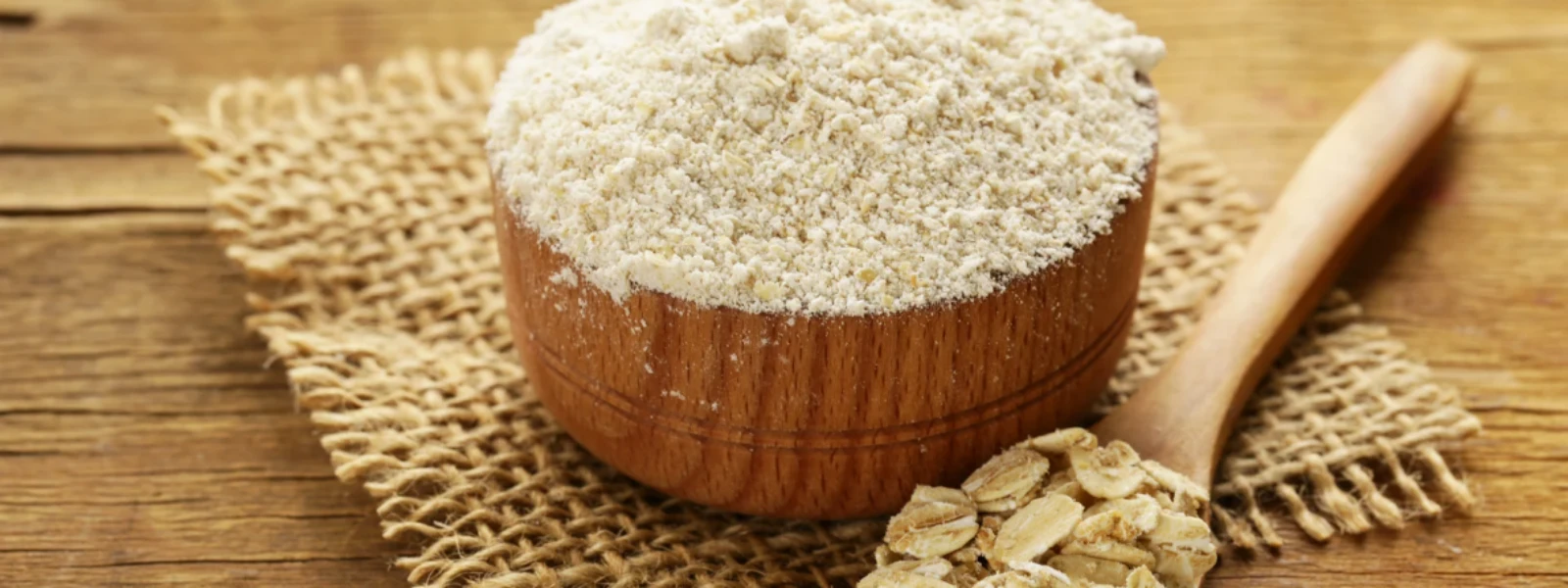


When it comes to fueling your body for peak performance, 50gm oats protein emerges as a game-changing nutritional powerhouse. This natural protein source combines the sustained energy of complex carbohydrates with essential AmIno aciDS, making it an ideal choice for athletes, fitness enthusiasts, and anyone seeking optimal nutrition. Understanding how to maximize the benefits of a 50-gram serving can transform your approach to muscle building, recovery, and overall wellness.
The science behind oats protein powder reveals why this humble grain has earned its place among elite nutritional supplements. Beyond its impressive protein content, oats deliver a unique combination of fiber, minerals, and sustained energy that supports both immediate performance and long-term health goals.
A 50-gram serving of oats delivers approximately 6.5 to 7.5 grams of high-quality protein, depending on the variety and processing method. This oatmeal protein supplement equivalent provides roughly 167 calories, making it an efficient source of nutrition for active individuals.
The macronutrient composition of 50g oats includes approximately 29 grams of carbohydrates, 3.5 grams of fat, and 7 grams of protein. This balanced profile supports sustained energy release while providing essential building blocks for muscle recovery and growth.
The carbohydrate content consists primarily of complex starches and beta-glucan fiber, which contribute to steady blood sugar levels. The fat content includes beneficial polyunsaturated and monounsaturated fats that support hormone production and nutrient absorption.
Steel-cut oats typically contain the highest protein concentration, followed by rolled oats and instant varieties. Steel-cut oats undergo minimal processing, preserving more of their natural protein structure and nutritional integrity. Rolled oats offer a good balance of convenience and nutrition, while instant oats provide quick preparation but may have slightly reduced protein quality.
Did You Know?
Oats contain a unique protein called avenin, which is naturally gluten-free and provides all essential AmIno aciDS except lysine. This makes oats an excellent protein source for individuals with gluten sensitivities while still supporting muscle protein synthesis.
The amino acid profile of high protein oats supports muscle protein synthesis, though it's considered an incomplete protein due to lower lysine content. However, this limitation can be easily addressed by combining oats with complementary protein sources.
Oat protein demonstrates good digestibility and bioavailability, with studies showing absorption rates comparable to other plant-based proteins. The protein digestibility-corrected amino acid score (PDCAAS) for oats ranges from 0.57 to 0.68, indicating moderate to good protein quality.
For oats for athletes, this protein quality supports recovery when consumed as part of a varied diet. The gradual release of amino acids from oat protein provides sustained muscle protein synthesis support over several hours.
Vegetarian and vegan athletes particularly benefit from incorporating oats for muscle building into their nutrition plans. When combined with legumes, nuts, or seeds, oats provide a complete amino acid profile that rivals animal-based proteins.
The unique combination of protein and complex carbohydrates in 50g oats creates an ideal environment for athletic performance and recovery. The sustained energy release supports endurance activities while the protein content aids in muscle repair.
The oats nutritional value extends beyond protein to include slow-releasing carbohydrates that maintain stable blood glucose levels. This characteristic makes oats particularly valuable for endurance athletes who require sustained energy over extended periods.
Beta-glucan fiber in oats slows digestion, creating a steady stream of glucose that prevents energy crashes common with simple carbohydrates. This mechanism supports consistent performance during training and competition.
The fiber content in 50g oats (approximately 4.5 grams) promotes healthy digestion and may reduce inflammation markers associated with intense training. This digestive support enhances nutrient absorption and overall gut health.
Strategic consumption of oats protein content involves timing, preparation methods, and complementary nutrition to optimize benefits. Understanding when and how to consume oats can significantly impact your results.
Creating an oats protein shake involves blending 50g oats with liquid and additional protein sources. Combine ground oats with milk or plant-based alternatives, add fruits for natural sweetness, and include nuts or seeds for complete amino acid profiles.
For enhanced protein content, blend oats with Greek yogurt or protein powder. This combination creates a comprehensive post-workout shake that supports both immediate recovery and sustained energy replenishment.
Crafting oats protein bars allows for customized nutrition tailored to specific training demands. Mix 50g oats with nut butters, protein powder, and natural binding agents like dates or honey to create portable nutrition.
These homemade bars provide controlled oats protein content while avoiding artificial additives commonly found in commercial products. The combination of oats with nuts or seeds creates a complete protein profile ideal for muscle building.
Pre-workout consumption of oats provides sustained energy for extended training sessions. Consuming 50g oats 1-2 hours before exercise allows for proper digestion while ensuring energy availability throughout your workout.
Post-workout consumption supports recovery when combined with faster-absorbing proteins. The carbohydrate content helps replenish glycogen stores while the protein contributes to muscle repair processes.
Incorporating 50g oats into your daily nutrition requires understanding caloric impact and micronutrient contributions. This serving size fits well into most dietary frameworks while providing substantial nutritional benefits.
Beyond protein, 50g oats delivers significant amounts of manganese, phosphorus, magnesium, and iron. These minerals support energy metabolism, bone health, and oxygen transport - all crucial for athletic performance.
The B-vitamin content, particularly thiamine and pantothenic acid, supports energy metabolism and nervous system function. These vitamins become increasingly important during periods of intense training when metabolic demands are elevated.
The combination of protein and fiber in 50g oats promotes satiety, potentially reducing overall caloric intake. This characteristic makes oats valuable for athletes managing body composition while maintaining performance.
The sustained energy release prevents blood sugar spikes and crashes that can trigger cravings for less nutritious foods. This stability supports consistent energy levels and better food choices throughout the day.
Different fitness objectives require tailored approaches to oats protein recipe development and consumption timing. Understanding these variations maximizes the benefits of your 50g serving.
For muscle building goals, combine 50g oats with higher-protein foods to create meals containing 20-25 grams of total protein. This approach supports optimal muscle protein synthesis while providing sustained energy for training.
Distribute oat consumption throughout the day rather than consuming large amounts at once. This strategy maintains steady amino acid availability and supports continuous muscle recovery processes.
Endurance athletes benefit from consuming 50g oats as part of carbohydrate-loading protocols before long training sessions or competitions. The sustained energy release supports performance over extended durations.
During ultra-endurance events, oat-based nutrition provides digestible carbohydrates and protein that are easier on the stomach than many commercial sports products.
Post-exercise recovery benefits from combining 50g oats with faster-absorbing proteins and antioxidant-rich foods. This combination addresses multiple recovery pathways simultaneously.
The anti-inflammatory properties of oat compounds may help reduce exercise-induced inflammation, supporting faster recovery between training sessions.
One hundred grams of oats contains approximately 13-15 grams of protein, making 50g oats provide roughly half that amount at 6.5-7.5 grams. This makes 50g a practical serving size that contributes meaningfully to daily protein intake without excessive calories.
Yes, 50g of oats daily is generally safe and beneficial for most individuals. This amount provides valuable nutrients without excessive calories or fiber that might cause digestive discomfort. However, individuals with specific dietary restrictions or medical conditions should consult healthcare providers.
The best timing depends on your goals. For sustained energy, consume oats 1-2 hours before workouts. For recovery, include oats in post-workout meals within 2 hours of exercise. For general health, oats work well as breakfast or as part of any balanced meal throughout the day.
Most people tolerate oats well, but some may experience digestive discomfort if increasing fiber intake too quickly. Start with smaller amounts and gradually increase to 50g daily. Individuals with celiac disease should ensure their oats are certified gluten-free to avoid cross-contamination.
Oats provide a different nutritional profile than isolated protein supplements. While whey offers higher protein concentration and faster absorption, oats provide sustained energy, fiber, and micronutrients that protein powders typically lack. They complement rather than replace dedicated protein supplements.
The strategic use of 50gm oats protein represents a powerful approach to supporting athletic performance, muscle building, and overall health. This natural protein source delivers sustained energy, essential nutrients, and digestive benefits that synthetic supplements often cannot match. From pre-workout fuel to post-exercise recovery, the versatility of oats makes them an invaluable addition to any serious nutrition plan. Whether you're crafting protein shakes, baking homemade bars, or simply enjoying a bowl of oatmeal, understanding how to maximize the benefits of 50g servings can transform your approach to nutrition and performance. Consider exploring comprehensive nutrition solutions that complement your oats intake for optimal results in your fitness journey.




Someone sent you
Powered by ReferRush


