The Essential Checklist for Maximizing 1 kg Milk Protein
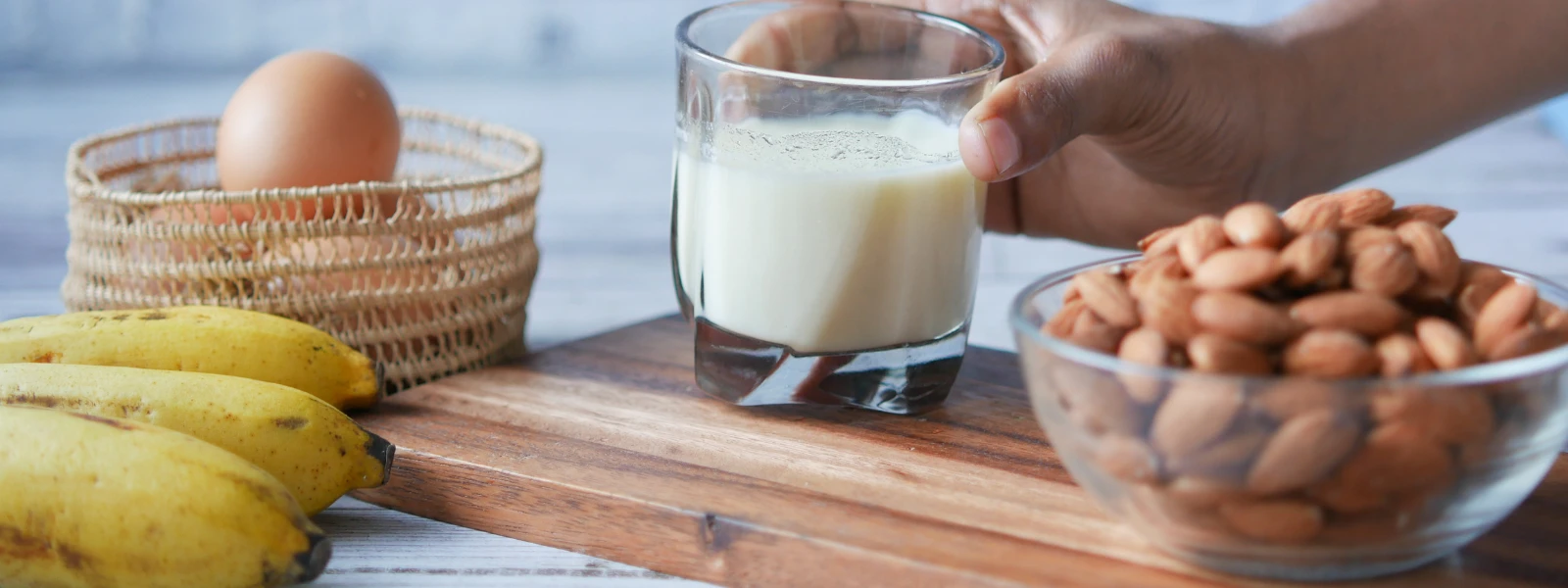


Athletic performance and recovery depend heavily on proper nutrition, and 1 kg milk protein represents a substantial protein source that can transform your fitness journey. Whether you're an endurance athlete, strength trainer, or fitness enthusiast, understanding how to maximize this protein powerhouse can significantly impact your performance outcomes. This comprehensive guide provides you with the essential checklist to unlock the full potential of milk protein for optimal athletic performance and recovery.
Milk contains two primary protein types that work synergistically to support your fitness goals. Whey protein isolate makes up approximately 20% of milk protein and is considered the "fast-acting" component. This complete protein contains all nine essential AmIno aciDS and gets absorbed rapidly by your body, making it ideal for post-workout recovery.
Casein protein powder constitutes about 80% of milk protein and acts as the "slow-release" component. This protein forms a gel-like substance in your stomach, providing a steady stream of amino acids over several hours. This sustained release makes casein particularly beneficial for overnight muscle recovery and between-meal protein support.
Milk protein concentrate combines both whey and casein in their natural proportions, offering the benefits of both fast and slow protein absorption. This makes it an excellent choice for comprehensive muscle support throughout the day.
When comparing cow and buffalo milk, buffalo milk typically contains 10-15% more protein per serving. However, cow milk remains more widely available and cost-effective for most athletes and fitness enthusiasts.
Understanding the nutritional density of 1 kg milk protein helps you plan your intake effectively. One liter of whole cow milk contains approximately 32-35 grams of protein, meaning you would need about 28-30 liters to obtain 1 kg of pure protein. This calculation helps put the protein concentration into perspective for meal planning.
The caloric content varies depending on the milk type. Whole milk provides about 150 calories per 240ml serving, while skim milk contains roughly 80 calories for the same amount. When focusing on protein maximization, consider the caloric density relative to your overall energy requirements and fitness goals.
The macronutrient distribution of milk protein includes all essential amino acids, particularly high concentrations of leucine, isoleucine, and valine - the branched-chain amino acids crucial for muscle protein synthesis. Additionally, milk protein provides valuable micronutrients including calcium, phosphorus, and B-vitamins that support overall athletic performance.
Did You Know?
Research shows that milk protein has one of the highest biological values among all protein sources, meaning your body can utilize nearly all the amino acids it provides for muscle building and repair processes.
The recommended daily protein intake for athletes ranges from 1.6 to 2.2 grams per kilogram of body weight, depending on training intensity and goals. For a 70kg athlete, this translates to approximately 112-154 grams of protein daily. Sports nutrition experts emphasize that timing and distribution matter as much as total intake.
Post-workout protein consumption within the "anabolic window" - typically 30-60 minutes after exercise - optimizes muscle building responses. A protein shake containing 20-25 grams of high-quality protein can effectively stimulate muscle protein synthesis during this critical period.
For optimal recovery, consider consuming casein protein before bedtime. This slow-digesting protein provides amino acids throughout the night, supporting muscle repair and growth during sleep. Many athletes incorporate a recovery drink containing both whey and casein to maximize both immediate and sustained protein availability.
A high protein diet should distribute protein intake evenly across meals rather than consuming large amounts in single servings. Your body can only utilize approximately 20-30 grams of protein per meal for muscle protein synthesis, making consistent distribution more effective than sporadic large doses.
Research consistently demonstrates that milk protein supplementation enhances fitness performance across multiple metrics. Studies show that athletes consuming adequate milk protein experience faster recovery times, reduced muscle soreness, and improved training adaptations compared to those with insufficient protein intake.
The leucine content in milk protein acts as a primary trigger for muscle protein synthesis. This amino acid signals your body to begin building new muscle tissue, making it particularly valuable for strength and power athletes. Additionally, the complete amino acid profile supports neurotransmitter production, potentially improving focus and cognitive performance during training.
Endurance athletes benefit from milk protein's ability to preserve lean muscle mass during prolonged training periods. The anti-catabolic properties of casein help prevent muscle breakdown, while whey supports rapid recovery between training sessions.
Comparative studies indicate that milk protein performs similarly to other high-quality protein sources in supporting muscle growth and recovery. However, its natural combination of fast and slow proteins provides unique advantages for sustained amino acid availability.
For muscle building goals, distribute your protein intake across 4-6 meals daily, ensuring each meal contains 20-30 grams of protein. Include a post-workout protein supplement within one hour of training, and consider adding casein protein before bedtime to support overnight recovery.
Weight management strategies should focus on protein's satiety benefits. Higher protein intake helps control hunger and maintains lean muscle mass during caloric restriction. Incorporate protein-rich meals and snacks to support your weight goals while preserving muscle tissue.
Endurance athletes require strategic protein timing around long training sessions. Consume protein before extended workouts to provide amino acid availability during exercise, and prioritize post-workout protein to support recovery and adaptation.
Calculate your personalized protein needs based on body weight, training intensity, and specific goals. Monitor your response to different protein timing strategies and adjust accordingly. Some athletes thrive on pre-workout protein, while others prefer focusing on post-workout nutrition.
When selecting milk-based protein supplements, prioritize products with minimal processing and additives. Look for options that maintain the natural ratio of whey to casein, as this provides optimal absorption characteristics.
Consider digestibility factors, especially if you experience lactose sensitivity. Many high-quality protein supplements undergo processing to reduce lactose content while maintaining protein integrity. Some individuals find that gradual introduction of milk protein helps improve tolerance over time.
Storage and handling significantly impact protein quality. Keep protein supplements in cool, dry conditions and consume within recommended timeframes to maintain nutritional value and safety.
One liter of cow milk contains approximately 32-35 grams of protein, depending on the fat content and processing method. Whole milk typically provides slightly more protein per serving compared to skim milk due to concentration differences.
Consuming 1 kg of pure protein daily would be excessive and potentially harmful. Most athletes require 1.6-2.2 grams of protein per kilogram of body weight daily. For a 70kg person, this equals roughly 112-154 grams of protein, not 1000 grams.
Buffalo milk contains approximately 10-15% more protein than cow milk and has a higher concentration of certain amino acids. However, cow milk remains more accessible and cost-effective for most consumers, while providing excellent protein quality.
Maximize protein absorption by consuming 20-30 grams per meal, spacing protein intake throughout the day, combining protein with small amounts of carbohydrates, staying adequately hydrated, and allowing sufficient time between large protein servings.
Milk protein provides all essential amino acids in optimal ratios for human needs, while most plant proteins require combining different sources to achieve complete amino acid profiles. However, both can effectively support fitness goals when properly planned.
Maximizing the benefits of 1 kg milk protein requires understanding its composition, timing your intake strategically, and aligning consumption with your specific fitness goals. The combination of fast-acting whey and slow-releasing casein provides unique advantages for both immediate recovery and sustained muscle support. By implementing proper timing strategies, maintaining consistent daily intake, and selecting high-quality sources, you can harness the full potential of milk protein for enhanced athletic performance and recovery. Remember that individual needs vary based on training intensity, body composition goals, and metabolic factors, so consider consulting with nutrition professionals to optimize your personalized approach to protein supplementation and sports nutrition.




Someone sent you
Powered by ReferRush


