The Essential Moringa Protein Checklist: 7 Key Benefits
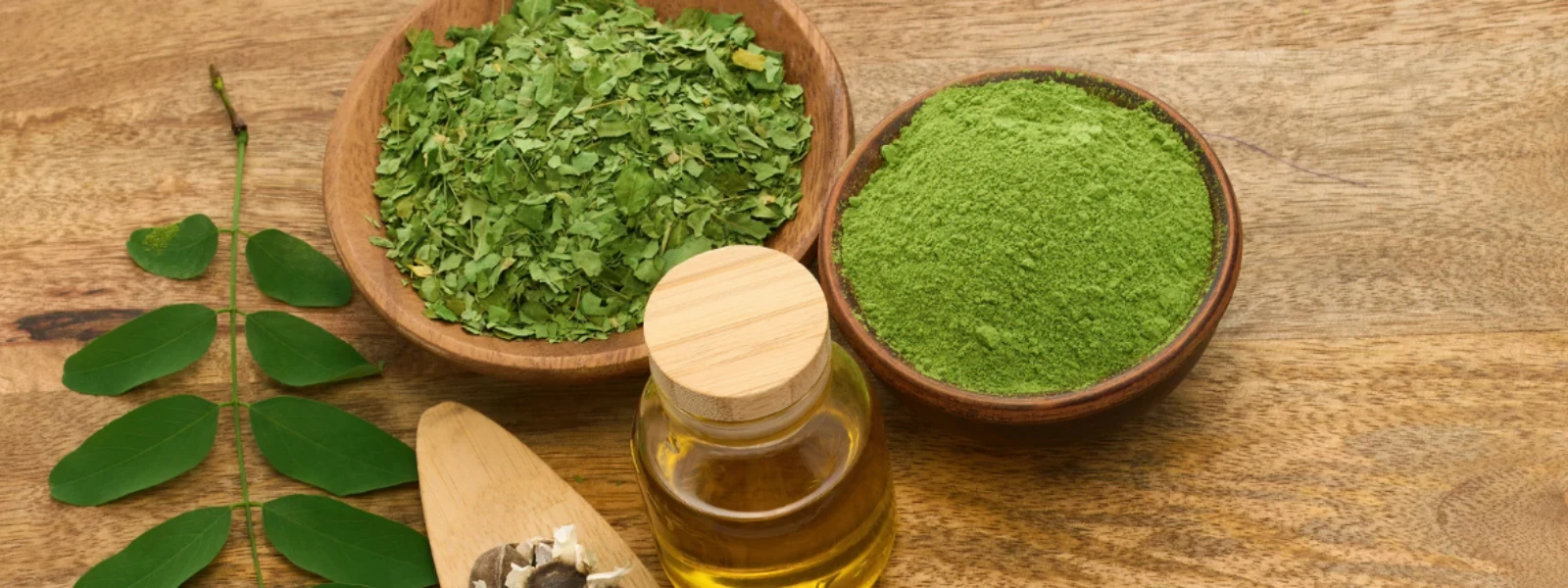


The moringa plant has earned its reputation as the "miracle tree" for good reason. This nutrient-dense superfood packs an impressive protein punch alongside an array of vitamins, minerals, and antioxidants. For fitness enthusiasts and health-conscious individuals seeking plant-based protein alternatives, moringa protein offers a compelling solution that goes far beyond traditional protein sources.
Understanding moringa's protein profile becomes crucial when evaluating its role in sports nutrition and overall wellness. Unlike many plant proteins that lack certain amino acids, moringa provides a more complete nutritional package that supports various bodily functions. This comprehensive guide explores seven key benefits that make moringa protein an essential addition to your wellness routine.
Moringa protein stands out in the plant-based protein world due to its exceptional amino acid composition. The moringa plant contains all nine essential amino acids that our bodies cannot produce independently, making it a rare complete protein source among plants.
Fresh moringa leaves contain approximately 25-30% protein by dry weight, which translates to roughly 9 grams of protein per 100 grams of dried moringa powder. This concentration rivals many traditional protein sources while offering additional nutritional benefits that synthetic proteins cannot match.
The amino acid profile includes leucine, isoleucine, and valine - the three branched-chain amino acids (BCAAs) essential for muscle protein synthesis. These amino acids play crucial roles in muscle recovery, growth, and energy production during exercise.
While moringa protein may not match the protein density of whey or casein, its comprehensive nutritional profile offers unique advantages. Unlike isolated protein powders, moringa provides vitamins A, C, and E, calcium, potassium, and iron alongside its protein content. This combination creates a synergistic effect that enhances overall nutritional absorption and utilization.
Athletes and fitness enthusiasts increasingly turn to moringa supplements for their recovery-supporting properties. The combination of high-quality protein and anti-inflammatory compounds creates an ideal environment for muscle repair and growth.
The leucine content in moringa protein helps trigger muscle protein synthesis, the process by which your body builds new muscle tissue. Research indicates that leucine acts as a molecular signal that initiates this critical recovery process, making timing and quality of protein intake particularly important.
Moringa's natural anti-inflammatory compounds, including quercetin and chlorogenic acid, may help reduce exercise-induced inflammation and oxidative stress. This dual action of protein provision and inflammation reduction creates optimal conditions for muscle recovery and adaptation.
The B-vitamins naturally present in moringa leaves support energy metabolism pathways, helping convert protein, carbohydrates, and fats into usable energy. This comprehensive nutritional support extends beyond simple protein provision to enhance overall athletic performance and daily energy levels.
Expert Insight
Moringa protein provides approximately 2.5 grams of leucine per 100 grams of powder, meeting the threshold needed to stimulate muscle protein synthesis in most individuals. This makes it particularly valuable for post-workout recovery when combined with other complementary nutrients.
Plant-based proteins often face challenges related to digestibility and bioavailability. Moringa protein addresses many of these concerns through its natural composition and processing methods.
Moringa leaves contain natural enzymes that aid protein digestion and absorption. Unlike some legume-based proteins that may cause digestive discomfort, moringa protein typically demonstrates excellent tolerance across diverse populations.
The fiber content in moringa powder supports healthy digestion while providing prebiotic benefits that promote beneficial gut bacteria growth. This creates an optimal digestive environment for protein absorption and overall nutrient utilization.
Studies suggest that moringa protein demonstrates high bioavailability, meaning your body can effectively utilize the amino acids for various physiological functions. The natural vitamin C content in moringa may enhance iron absorption, while the calcium and magnesium support muscle and nerve function.
Beyond its protein content, moringa provides an impressive array of micronutrients that work synergistically to support overall health and performance.
Moringa leaves contain significant amounts of vitamin A (as beta-carotene), vitamin C, vitamin E, and several B-vitamins including folate and riboflavin. These vitamins support immune function, energy production, and antioxidant protection.
The mineral content includes calcium, iron, magnesium, phosphorus, and potassium. These minerals support bone health, oxygen transport, muscle function, and electrolyte balance - all crucial for athletic performance and recovery.
Moringa contains over 40 different antioxidant compounds, including flavonoids, phenolic acids, and vitamin E. These antioxidants help protect against exercise-induced oxidative stress and support long-term cellular health.
The combination of protein and antioxidants creates a unique nutritional profile that supports both immediate recovery needs and long-term health goals. This comprehensive approach distinguishes moringa from isolated protein supplements.
Moringa protein is available in various forms, each offering distinct advantages for different lifestyles and preferences.
Moringa protein powder represents the most concentrated form, easily incorporated into smoothies, protein shakes, or baked goods. The powder form allows for precise dosing and mixing flexibility, making it ideal for athletes who want to customize their protein intake.
Pure moringa leaf powder maintains the full spectrum of nutrients, while some products combine moringa with other complementary ingredients to enhance specific benefits or improve taste profiles.
Moringa capsules offer convenience for busy lifestyles, providing standardized dosing without preparation time. While capsules may contain slightly less protein per serving compared to powder forms, they ensure consistent intake and easy portability.
Moringa tea provides a gentler way to incorporate this superfood into daily routines. While tea forms contain lower protein concentrations, they offer excellent hydration and provide many of moringa's beneficial compounds in an easily absorbed liquid form.
Understanding proper dosage and safety considerations ensures you maximize moringa protein benefits while maintaining optimal health.
Most research suggests that 2-4 grams of moringa powder daily provides beneficial effects without adverse reactions. This amount typically delivers 0.5-1 gram of protein along with significant amounts of vitamins and minerals.
For athletic applications, some individuals may benefit from higher amounts, though it's important to consider moringa as part of your total daily protein intake rather than a primary protein source.
Pregnant and lactating women should consult healthcare providers before using moringa supplements, as limited research exists regarding safety during these periods. Similarly, individuals with existing medical conditions or those taking medications should seek professional guidance.
Generally, moringa demonstrates excellent safety profiles in healthy adults, with few reported side effects when used appropriately. Some individuals may experience mild digestive changes when first introducing moringa, which typically resolve with continued use.
Emerging research continues to validate moringa's nutritional benefits and explore new applications for this remarkable plant.
Studies demonstrate moringa's potential to support healthy blood sugar levels, cardiovascular health, and immune function. The protein and nutrient combination shows promise for supporting healthy aging and maintaining muscle mass in older adults.
Research also explores moringa's role in sustainable nutrition, as the plant grows rapidly in challenging climates and requires minimal resources compared to traditional protein sources.
Yes, moringa contains all nine essential amino acids, making it a complete protein source. However, the concentrations of some amino acids may be lower compared to animal-based proteins, so it's best used as part of a varied protein intake.
Moringa powder typically contains 8-10 grams of protein per 100 grams, depending on processing methods and leaf quality. This represents approximately 25-30% of the total dry weight.
Moringa protein can contribute to muscle building as part of an adequate protein intake and resistance training program. Its complete amino acid profile and anti-inflammatory properties support muscle recovery and growth, though it should be combined with other protein sources for optimal results.
Research indicates that moringa is generally safe for daily consumption in moderate amounts (2-4 grams of powder daily). However, individuals with medical conditions or those taking medications should consult healthcare providers before regular use.
Moringa can be consumed at any time, though many people prefer morning consumption for energy benefits or post-workout for recovery support. The timing depends on your individual goals and how your body responds to the nutrients.
Moringa protein offers a unique combination of complete amino acids, essential nutrients, and beneficial plant compounds that support overall health and athletic performance. From muscle recovery and energy support to comprehensive micronutrient provision, this superfood provides benefits that extend far beyond traditional protein sources. While not a replacement for primary protein sources, moringa makes an excellent addition to a well-rounded nutrition plan. Consider exploring high-quality moringa supplements as part of your wellness journey, and discover how this remarkable plant can support your health and performance goals.




Someone sent you
Powered by ReferRush


