The Optimum Whey Protein Checklist: 7 Essential Steps
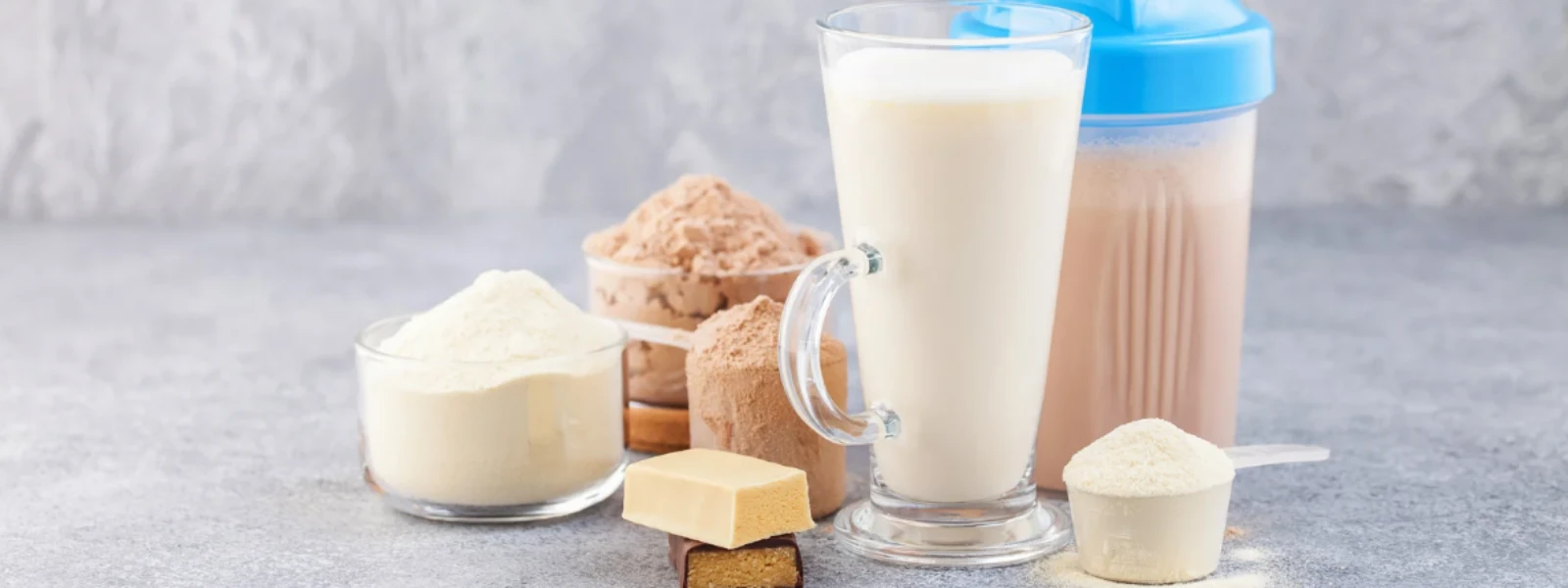


Protein supplements have become a cornerstone of modern fitness nutrition, with millions of athletes and fitness enthusiasts relying on them to meet their daily protein goals. Among the vast array of options available, whey protein stands out as the gold standard for muscle building, recovery, and overall performance enhancement. However, with countless brands and formulations flooding the market, choosing the right whey protein supplement can feel overwhelming.
This comprehensive checklist will guide you through seven essential steps to find your optimum whey protein, ensuring you make an informed decision that aligns with your fitness goals, budget, and nutritional needs. Whether you're a seasoned athlete or just starting your fitness journey, understanding these key factors will help you maximize your investment in sports nutrition supplements.
Before diving into our checklist, it's crucial to understand what makes whey protein such a powerful muscle building supplement. Whey protein is derived from milk during the cheese-making process and contains all nine essential amino acids your body needs for optimal function.
The two primary forms of whey protein each offer distinct advantages. Whey protein concentrate typically contains 70-80% protein by weight and retains more of the natural nutrients found in milk, including lactose and fat. This form is generally more affordable and provides a well-rounded nutritional profile.
Whey protein isolate undergoes additional processing to remove most lactose, fat, and carbohydrates, resulting in a product that's 90% or higher protein content. This makes it ideal for those with lactose sensitivity or anyone following a strict high protein diet with minimal carbohydrates.
Whey protein boasts the highest biological value among all protein sources, meaning your body can efficiently utilize nearly all the amino acids it provides. The rapid absorption rate makes it particularly effective for post-workout recovery, when your muscles are primed to uptake nutrients for repair and growth.
Did You Know?
Whey protein can be absorbed by your body in as little as 30 minutes after consumption, making it one of the fastest-acting protein sources available. This rapid absorption is why many athletes prefer whey protein shakes immediately after their workouts.
The first step in finding your optimum whey protein involves calculating your specific protein requirements. This varies significantly based on your activity level, body weight, fitness goals, and overall health status.
For general fitness enthusiasts, consuming 0.8-1.2 grams of protein per kilogram of body weight daily typically suffices. However, those engaged in intense training or muscle building may require 1.6-2.2 grams per kilogram. Athletes focusing on strength training often benefit from the higher end of this range.
Several factors influence your optimal protein intake. Age plays a role, as older adults may need slightly more protein to maintain muscle mass. Training intensity and frequency also matter – more frequent or intense workouts increase your protein needs for adequate recovery.
Your overall caloric intake affects protein requirements too. Those in a caloric deficit for weight management may benefit from higher protein intake to preserve lean muscle mass during fat loss.
Not all whey protein powder formulations are created equal. Understanding the composition and quality markers helps you identify products that deliver optimal results.
Look for products that provide at least 20-25 grams of protein per serving. This amount typically contains sufficient essential amino acids to stimulate muscle protein synthesis effectively. Some premium formulations offer up to 30 grams per serving, which can be beneficial for larger individuals or those with higher protein needs.
A complete amino acid profile is essential for maximizing the benefits of your protein powder for athletes. Pay particular attention to branched-chain amino acids (BCAAs) – leucine, isoleucine, and valine – which play crucial roles in muscle building and recovery.
Leucine content is especially important, as it serves as the primary trigger for muscle protein synthesis. Quality whey protein supplements typically contain 2-3 grams of leucine per serving.
While nutritional content takes priority, flavor and texture significantly impact your long-term adherence to supplementation. A protein powder that tastes unpleasant or mixes poorly will likely end up unused in your pantry.
Popular flavors like vanilla, chocolate, and strawberry tend to be versatile and mix well with various ingredients. Consider how you plan to consume your whey protein shakes – will you mix with water, milk, or blend with fruits and other ingredients?
Quality whey protein should dissolve easily in liquid without leaving clumps or a chalky texture. Some formulations include lecithin or other emulsifiers to improve mixability. Reading reviews and potentially trying smaller sizes before committing to larger containers can help you find options that meet your texture preferences.
When and how you consume your whey protein supplement can significantly impact its effectiveness for your fitness goals.
The period immediately following your workout represents an optimal time for whey protein consumption. During this window, your muscles are particularly receptive to amino acids for repair and growth. Consuming 20-40 grams of whey protein within 30-60 minutes post-workout can enhance recovery and support muscle building.
Rather than consuming all your protein in one or two large servings, spreading intake throughout the day optimizes muscle protein synthesis. Consider incorporating your whey protein powder into morning smoothies, post-workout shakes, or evening snacks to maintain steady amino acid availability.
Pro Tip
Combining your whey protein with a small amount of carbohydrates can enhance absorption and promote better recovery. Simple options include adding a banana to your shake or consuming your protein with a piece of fruit.
The supplement industry varies widely in quality control and manufacturing standards. Ensuring your chosen whey protein meets high purity and safety standards protects your health and investment.
Look for products that undergo third-party testing for purity, potency, and contaminants. These independent verifications provide assurance that the product contains what the label claims and is free from harmful substances.
Products manufactured in facilities that follow Good Manufacturing Practices (GMP) demonstrate commitment to quality and safety. Additionally, certifications from organizations like NSF International or Informed Sport provide extra confidence for serious athletes concerned about banned substances.
Quality manufacturers clearly list all ingredients and avoid proprietary blends that hide specific amounts of key components. Full transparency allows you to make informed decisions about what you're putting into your body.
Understanding how different whey protein formulations support your specific performance goals helps you select the most appropriate option.
For muscle building, focus on products with higher leucine content and complete amino acid profiles. Some formulations include additional ingredients like creatine or HMB that may provide synergistic benefits for strength and muscle development.
If your primary goal is faster recovery between training sessions, look for whey protein supplements that include digestive enzymes or additional recovery-supporting nutrients. These can help reduce muscle soreness and prepare your body for subsequent workouts more effectively.
Some individuals experience digestive discomfort with certain whey protein formulations, particularly those containing lactose. If you have sensitive digestion, whey protein isolate or products with added digestive enzymes may be more suitable options.
While price shouldn't be the only consideration, understanding the true cost per serving helps you make economically sound decisions without compromising quality.
Calculate the cost per serving rather than just comparing container prices. Divide the total price by the number of servings to get an accurate comparison between different products and sizes.
Consider the protein content when evaluating value. A product with 25 grams of protein per serving at a slightly higher price may offer better value than one with only 20 grams at a lower cost.
Larger containers typically offer better per-serving value, but only if you'll use the product before it expires. Most whey protein powders maintain quality for 12-24 months when stored properly, making larger sizes economical for regular users.
Daily whey protein intake depends on your total protein needs, which vary based on body weight, activity level, and goals. Most people benefit from 1-2 servings daily, providing 20-50 grams of additional protein alongside food sources. Athletes or those with higher protein requirements may need more.
Many people with mild lactose intolerance can tolerate whey protein isolate, which contains minimal lactose. However, those with severe lactose intolerance should consider plant-based alternatives or consult with a healthcare provider before using whey products.
While post-workout consumption within 30-60 minutes is often recommended, total daily protein intake matters more than precise timing. Consuming whey protein consistently throughout the day, including after workouts, supports optimal muscle building and recovery.
Properly stored whey protein powder typically maintains quality for 6-12 months after opening. Store in a cool, dry place with the container tightly sealed. Check for changes in smell, taste, or texture that might indicate degradation.
For healthy individuals, daily whey protein consumption is generally safe when used as directed. However, those with kidney disease or other health conditions should consult healthcare providers before adding any supplements to their routine.
Finding your optimum whey protein requires careful consideration of multiple factors, from your individual protein needs to product quality and value. By following this seven-step checklist, you can confidently select a whey protein supplement that supports your fitness goals while providing excellent value and results. Remember that the best whey protein powder is one that fits your specific needs, preferences, and lifestyle, ensuring you'll consistently use it as part of your sports nutrition supplements routine. Take time to research and compare options, and don't hesitate to try different products until you find the perfect match for your fitness journey.




Someone sent you
Powered by ReferRush


