Unflavored Protein Powder: A Step-by-Step Guide to Using It
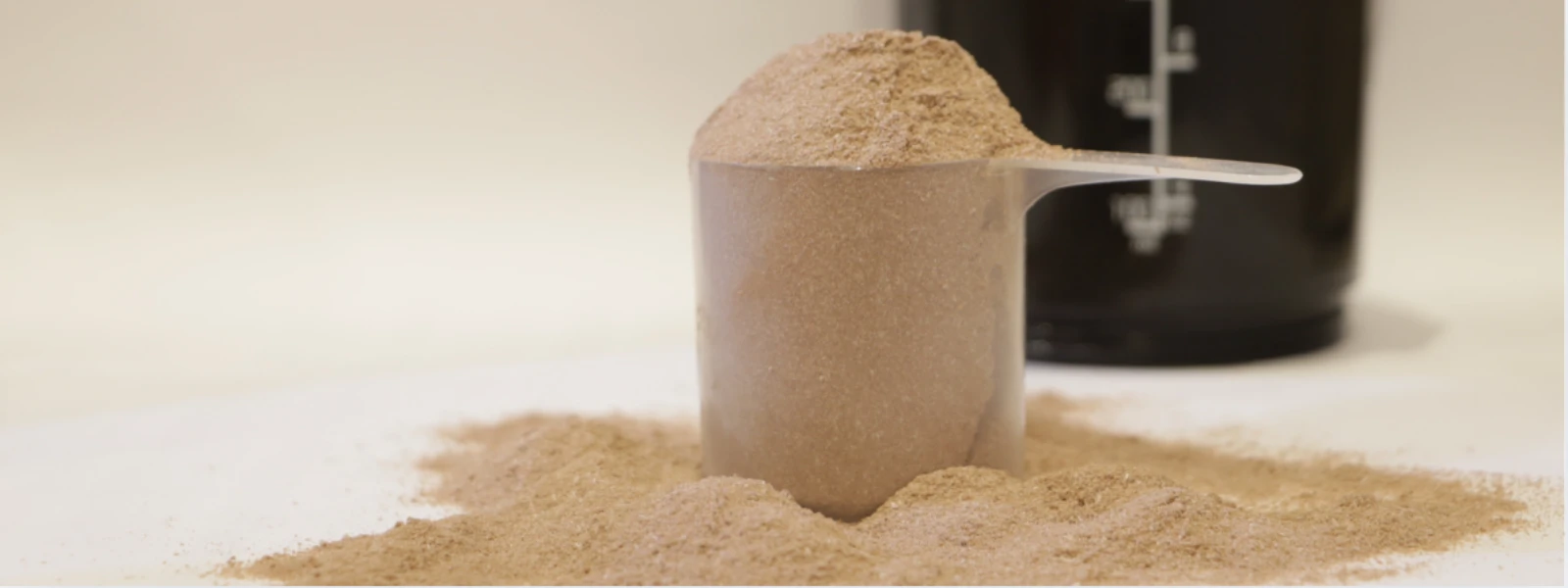


Unflavored protein powder represents the purest form of protein supplementation, offering complete nutritional control without artificial flavors, sweeteners, or colors. This versatile supplement allows you to boost protein intake while maintaining the natural taste of your favorite foods and beverages. Whether you're an athlete seeking performance enhancement or someone looking to increase daily protein consumption, understanding how to properly use unflavored protein powder can transform your nutrition strategy.
This comprehensive guide will walk you through everything you need to know about unflavored protein powder, from selecting the right type to mastering preparation techniques and creating delicious recipes. You'll discover practical tips for seamless integration into your daily routine and learn how to avoid common mistakes that can affect taste and texture.
Unflavored protein powder contains pure protein without added flavoring agents, artificial sweeteners, or color enhancers. This clean formulation typically consists of a single protein source, whether whey protein concentrate, whey protein isolate, casein, or plant-based alternatives. The absence of flavor additives means you're getting maximum protein content per serving without unnecessary ingredients.
Unlike flavored varieties that may contain artificial ingredients to enhance taste, unflavored options provide transparency in nutrition. This purity makes them ideal for individuals who prefer to control exactly what goes into their bodies while maintaining flexibility in how they consume their protein.
The primary advantage of unflavored protein powder lies in its versatility. You can seamlessly incorporate it into both sweet and savory dishes without conflicting flavors. This flexibility extends to baking, cooking, and beverage preparation, allowing you to boost protein content in virtually any meal.
Cost-effectiveness represents another significant benefit. Unflavored varieties often cost less than their flavored counterparts since manufacturers don't need to invest in flavor development and additional ingredients. This makes unflavored protein powder an economical choice for regular users.
Individuals with sensitive stomachs or dietary restrictions particularly benefit from unflavored options. Without artificial sweeteners, flavor enhancers, or additives that might cause digestive discomfort, these clean formulations are gentler on the digestive system.
Athletes and fitness enthusiasts often prefer unflavored protein powder for its purity and versatility. It allows them to customize their nutrition precisely according to training demands and taste preferences. Home bakers and cooking enthusiasts also find unflavored options invaluable for creating protein-enriched recipes without altering intended flavors.
People following specific dietary protocols, such as those avoiding artificial ingredients or managing food sensitivities, benefit significantly from unflavored formulations. The clean ingredient profile makes it easier to maintain dietary compliance while meeting protein requirements.
Whey protein unflavored comes in two primary forms: concentrate and isolate. Whey protein concentrate contains 70-80% protein with small amounts of lactose and fat, offering a creamy texture that blends well in recipes. Whey protein isolate undergoes additional processing to remove lactose and fat, resulting in 90% or higher protein content with faster absorption rates.
The best unflavored whey protein features superior ingredients and highly absorbable formats that maximize protein utilization. Look for products that undergo minimal processing while maintaining high bioavailability for optimal muscle protein synthesis.
Casein protein unflavored provides slow-release protein benefits, making it ideal for sustained amino acid delivery. This type forms a gel-like substance in the stomach, providing steady protein release over several hours. The thicker texture of casein works particularly well in puddings, overnight oats, and baked goods.
Timing casein consumption before bed can support overnight muscle recovery and growth. Its slow-digesting nature makes it less suitable for immediate post-workout nutrition but excellent for meal replacement or extended periods between meals.
Vegan unflavored protein powder typically combines multiple plant sources to create complete amino acid profiles. Common sources include pea protein, rice protein, and hemp protein, each offering unique nutritional benefits and texture characteristics.
Plant-based options may have slightly different mixing properties compared to dairy-based proteins. They often require more thorough blending to achieve smooth consistency and may benefit from additional liquid for optimal texture.
When selecting clean unflavored protein powder, prioritize products with minimal ingredient lists. The ideal formulation contains only the protein source without fillers, artificial additives, or unnecessary compounds. Third-party testing for purity and potency provides additional quality assurance.
Look for certifications that verify the absence of heavy metals, pesticides, and other contaminants. These quality indicators ensure you're getting a pure, safe product that aligns with clean nutrition principles.
Start with a 1:8 ratio of protein powder to liquid for optimal consistency. Use approximately one scoop (25-30 grams) of unflavored protein powder with 8-10 ounces of liquid. Cold liquids generally mix better than warm ones, preventing clumping and maintaining smooth texture.
For best results, add liquid first, then protein powder. This sequence prevents powder from sticking to the bottom of your container. Use a shaker bottle with a mixing ball or blend for 30-60 seconds to achieve smooth consistency.
Pro Tip
Add a small amount of liquid to create a paste with the protein powder before adding the remaining liquid. This technique prevents clumping and ensures even distribution throughout your drink or recipe.
Post-workout consumption within 30-60 minutes optimizes muscle protein synthesis and recovery. However, total daily protein intake matters more than precise timing for most individuals. Distribute protein consumption throughout the day for sustained amino acid availability.
Consider your individual goals when timing protein intake. Athletes may benefit from strategic timing around workouts, while general fitness enthusiasts can focus on consistent daily consumption that fits their lifestyle and preferences.
Calculate protein needs based on body weight and activity level. Generally, consume 0.8-1.2 grams of protein per kilogram of body weight for sedentary individuals, increasing to 1.6-2.2 grams per kilogram for active individuals and athletes.
Start with smaller servings if you're new to protein supplementation. Gradually increase intake to allow your digestive system to adapt. Stay hydrated when consuming protein powder, as protein metabolism requires adequate water intake.
Create nutrient-dense smoothies by combining unflavored protein powder with fruits, vegetables, and healthy fats. Banana and berry combinations naturally mask any subtle protein taste while providing vitamins and antioxidants. Add spinach or kale for additional nutrients without significantly altering flavor.
For tropical smoothies, blend unflavored protein powder with mango, pineapple, and coconut milk. The natural sweetness and strong flavors completely mask the protein while creating a delicious, nutritious beverage.
Replace up to 25% of flour in recipes with unflavored protein powder to boost protein content without dramatically altering taste or texture. Reduce oven temperature by 25 degrees and monitor baking time, as protein powder can cause faster browning.
Add extra moisture when baking with protein powder through ingredients like applesauce, Greek yogurt, or additional eggs. This compensates for protein powder's tendency to absorb moisture and prevents dry, dense results.
Incorporate unflavored protein powder into savory dishes like soups, sauces, and gravies for added nutrition. Start with small amounts and gradually increase to avoid altering texture significantly. Protein powder works particularly well in cream-based soups and thick sauces.
Create protein-enriched Indian flatbreads by adding unflavored protein powder to roti or chapati dough. This traditional application seamlessly increases protein content while maintaining authentic flavors and textures.
Evaluate protein content per serving, aiming for products with 20-25 grams of protein per scoop. Calculate cost per gram of protein to determine value, considering that higher-quality products often provide better absorption and results despite potentially higher upfront costs.
Look for brands that prioritize superior ingredients, highly absorbable formats, and palatable flavors even in unflavored varieties. Manufacturing standards and third-party testing indicate commitment to quality and safety.
Examine ingredient lists for simplicity and purity. The best unflavored protein powders contain minimal ingredients, ideally just the protein source and perhaps a natural emulsifier for improved mixing. Avoid products with unnecessary fillers, artificial additives, or excessive ingredient lists.
Understand protein concentration percentages, which indicate the amount of actual protein versus other components. Higher concentrations generally indicate better quality and value, though they may come at a premium price.
Store unflavored protein powder in a cool, dry place away from direct sunlight and moisture. Properly stored protein powder typically maintains quality for 12-24 months from the manufacturing date. Use airtight containers if transferring from original packaging.
Monitor for signs of degradation including off odors, clumping, or color changes. These indicators suggest moisture exposure or age-related deterioration that may affect taste, texture, and nutritional value.
Unflavored protein powder offers superior versatility and ingredient purity compared to flavored options. Without added sweeteners, artificial flavors, or colors, you get maximum protein content per serving while maintaining complete control over taste and nutrition. This makes it ideal for cooking, baking, and individuals with dietary sensitivities.
Unflavored protein powder has a mild, slightly chalky taste that varies by protein source. Whey protein tends to have a subtle dairy flavor, while plant-based options may have earthy or nutty undertones. The taste is generally neutral enough to blend seamlessly into recipes without overpowering other flavors.
Yes, unflavored protein powder works well in hot applications, though high temperatures may affect protein structure slightly. Add protein powder to cooled liquids before heating, or incorporate it into recipes that don't exceed moderate cooking temperatures. This prevents clumping and maintains nutritional integrity.
Daily protein powder usage depends on your total protein needs and dietary intake from other sources. Most individuals benefit from 25-50 grams of protein powder daily, equivalent to 1-2 scoops. Calculate your total protein requirements based on body weight, activity level, and health goals, then supplement accordingly.
Unflavored protein powder generally mixes as well as or better than flavored varieties since it lacks additional ingredients that might affect solubility. Use proper mixing techniques, appropriate liquid ratios, and adequate blending time to achieve smooth consistency regardless of protein type.
Unflavored protein powder represents the ultimate in nutritional flexibility, allowing you to boost protein intake without compromising taste or ingredient quality. From basic smoothies to complex baking projects, this versatile supplement adapts to your culinary creativity while supporting your health and fitness goals. By understanding proper mixing techniques, timing strategies, and recipe applications, you can maximize the benefits of unflavored protein powder in your daily nutrition routine. Whether you choose whey, casein, or plant-based options, focus on quality indicators and proper storage to ensure optimal results. Embrace the versatility of unflavored protein powder and discover how this simple addition can transform your approach to meeting daily protein requirements while maintaining the flavors you love.




Someone sent you
Powered by ReferRush


