A Guide to Unlock the Power of 100g Curd Protein
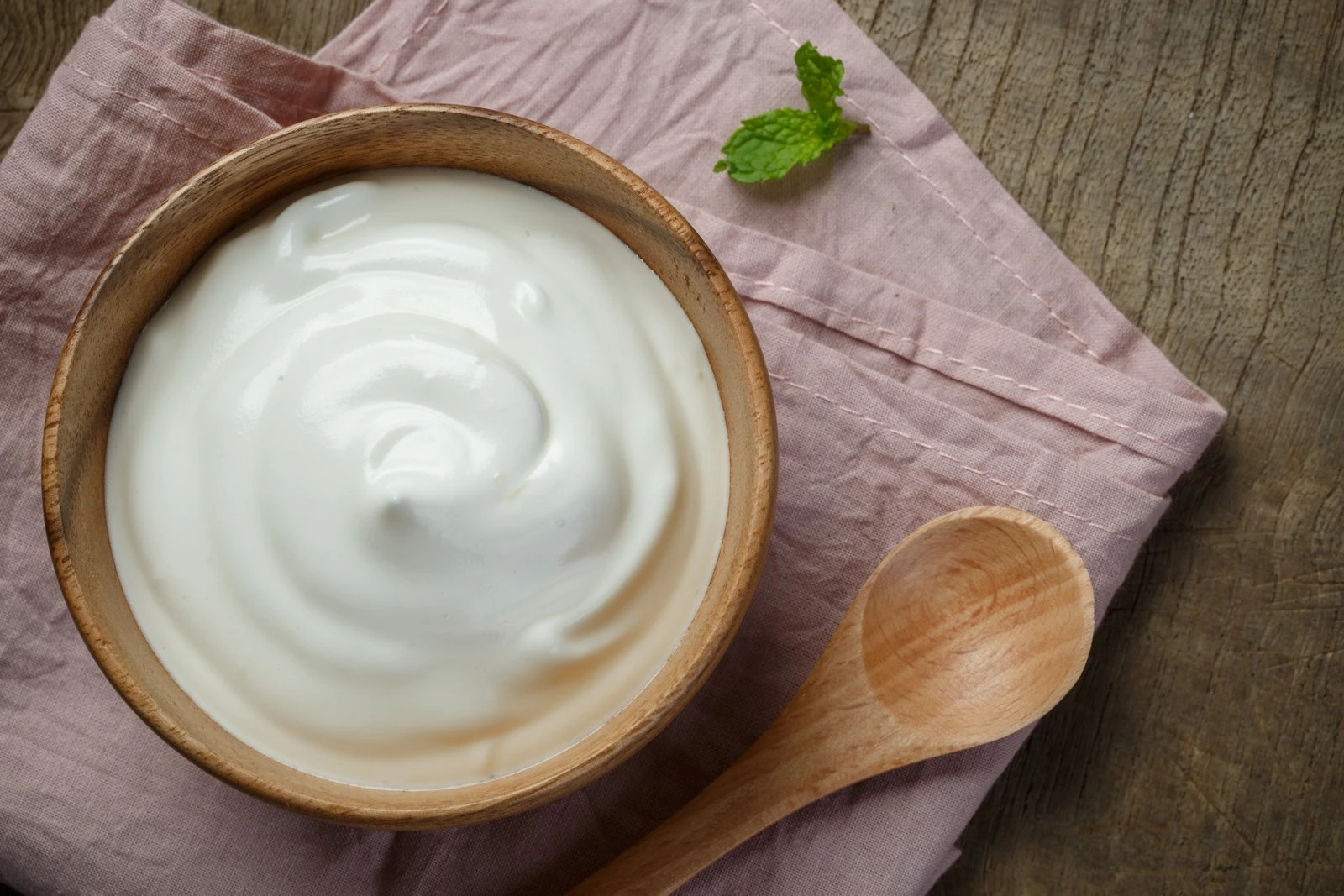


Curd has been a cornerstone of Indian nutrition for centuries, but its true potential as a protein powerhouse often goes unrecognized. For fitness enthusiasts, athletes, and health-conscious individuals seeking natural protein sources, understanding the precise protein content in 100 gram curd can transform your nutrition strategy. This comprehensive guide will decode the science behind curd protein content, explore its muscle-building benefits, and provide actionable strategies to maximize your protein intake naturally.
When examining 100 gram curd protein content, the numbers reveal why this dairy product deserves serious consideration in your nutrition plan. Regular curd typically contains 9-11 grams of protein per 100 grams, making it a moderate yet consistent protein source.
The curd nutrition facts per 100 grams present a balanced macronutrient profile:
Calories range from 60-80, depending on fat content. Protein contributes 9-11 grams of high-quality complete protein. Carbohydrates account for 4-6 grams, primarily from natural milk sugars. Fat content varies significantly between 0.5-4 grams based on preparation method.
This nutritional composition makes curd particularly valuable for those seeking steady protein intake without excessive calories. The protein quality in curd ranks high due to its complete amino acid profile, containing all nine essential AmIno aciDS your body cannot produce independently.
Research published in the Journal of Dairy Science indicates that milk proteins in curd demonstrate excellent bioavailability. The fermentation process that creates curd actually enhances protein digestibility compared to regular milk, making the amino acids more readily available for muscle protein synthesis.
While both belong to the fermented dairy family, greek yogurt protein content significantly exceeds traditional curd. Greek yogurt contains approximately 15-20 grams of protein per 100 grams, nearly double that of regular curd.
The straining process in Greek yogurt production removes excess whey, concentrating the protein content. However, this doesn't diminish curd's nutritional value. High protein curd varieties, particularly those made with concentrated milk or specific bacterial cultures, can bridge this gap.
Low fat curd options provide protein benefits while minimizing caloric intake. These varieties typically contain similar protein levels but reduce fat content to under 1 gram per 100 grams, making them ideal for weight management goals.
Did You Know?
The fermentation process in curd production creates beneficial probiotics that support digestive health, potentially improving protein absorption and utilization in your body.
Different preparation methods across regions affect protein concentration. Hung curd, where excess whey is drained, can increase protein content to 12-15 grams per 100 grams. This makes it comparable to some commercial protein supplements while providing additional nutritional benefits.
For athletes and fitness enthusiasts, curd for muscle building offers unique advantages beyond simple protein numbers. The casein protein in curd digests slowly, providing sustained amino acid release over several hours.
Curd contains significant amounts of leucine, the key amino acid that triggers muscle protein synthesis. With approximately 1 gram of leucine per 100 grams of curd, it provides sufficient stimulus for muscle building when consumed in adequate quantities.
The balanced amino acid profile makes curd particularly valuable for recovery. Studies in the International Journal of Sport Nutrition demonstrate that casein protein consumption before sleep enhances overnight muscle protein synthesis, making curd an excellent evening protein source.
Curd for athletes extends beyond muscle building. The calcium content supports bone health, while B-vitamins aid energy metabolism. The natural electrolytes help maintain hydration balance during intense training periods.
The slow-digesting nature of curd protein makes it ideal for sustained energy release during endurance activities. Unlike quick-absorbing proteins that create rapid spikes, curd provides steady amino acid availability.
Strategic consumption can significantly enhance your curd protein intake while supporting various fitness goals. Understanding timing, portions, and preparation methods optimizes protein utilization.
For general health, 200-300 grams of curd daily provides 18-33 grams of protein, contributing substantially to daily protein requirements. Athletes may benefit from higher intakes, up to 400-500 grams daily, distributed across multiple meals.
Timing matters significantly. Consuming curd post-workout within 2 hours maximizes muscle protein synthesis. Evening consumption before sleep supports overnight recovery and muscle building processes.
Blending curd with protein-rich additions amplifies its benefits. Adding nuts, seeds, or protein powder to curd creates a complete meal replacement. Savory preparations with herbs and spices provide variety while maintaining protein focus.
Frozen curd desserts offer a refreshing alternative to traditional protein shakes. These preparations maintain protein content while providing enjoyable variety in your nutrition routine.
Understanding different curd varieties helps optimize protein intake based on specific goals and preferences. Each type offers unique benefits and protein concentrations.
Homemade curd typically contains 9-10 grams of protein per 100 grams, with exact content depending on milk quality and preparation method. Commercial varieties may range from 8-12 grams, with some fortified options reaching higher concentrations.
Full-fat curd provides complete protein alongside fat-soluble vitamins. Low-fat versions concentrate protein while reducing calories, making them suitable for weight management goals.
Some manufacturers produce curd protein supplement versions by adding milk protein concentrate or whey protein. These products can contain 15-20 grams of protein per 100 grams while maintaining curd's natural benefits.
Curd protein powder represents another innovation, where curd is dehydrated and concentrated into powder form. This provides convenience while preserving the slow-digesting benefits of casein protein.
Tailoring curd consumption to specific objectives maximizes its benefits for diverse fitness goals. Understanding these applications helps create targeted nutrition strategies.
For weight loss, low-fat curd provides protein satiety while minimizing calories. The protein content helps maintain muscle mass during caloric restriction, preventing metabolic slowdown commonly associated with dieting.
The calcium in curd may support fat metabolism, with research suggesting that adequate calcium intake enhances fat burning during weight loss efforts.
Bodybuilders and strength athletes can use curd strategically for muscle gain. Consuming 300-400 grams daily, split between post-workout and bedtime servings, provides sustained protein availability for muscle growth.
Combining curd with fast-digesting proteins post-workout creates an optimal amino acid profile for both immediate and prolonged muscle protein synthesis.
Endurance athletes benefit from curd's sustained energy release and electrolyte content. Consuming curd 2-3 hours before long training sessions provides steady amino acid availability without digestive distress.
The natural sugars in curd support glycogen replenishment, while protein aids muscle recovery from endurance training stress.
Regular curd contains approximately 9-11 grams of protein per 100 grams. This can vary slightly based on preparation method, milk fat content, and specific bacterial cultures used in fermentation. Greek yogurt typically contains higher protein levels at 15-20 grams per 100 grams.
Yes, consuming 200 grams of curd daily is generally safe and beneficial for most people. This amount provides approximately 18-22 grams of protein along with calcium, probiotics, and B-vitamins. However, individuals with lactose intolerance or dairy allergies should consult healthcare providers before increasing dairy intake.
Curd is primarily a protein source rather than fat. While fat content varies based on milk type used, protein typically represents the largest macronutrient component by weight. Low-fat curd varieties contain minimal fat while maintaining protein content, making protein the dominant macronutrient.
Curd provides complete protein with all essential amino acids, similar to other dairy products and meat sources. While the protein content per 100 grams is moderate compared to meat or protein powders, curd offers additional benefits like probiotics, calcium, and slow-digesting casein protein that provides sustained amino acid release.
The optimal timing depends on your goals. Post-workout consumption within 2 hours supports muscle recovery, while evening consumption before sleep maximizes overnight muscle protein synthesis due to curd's slow-digesting casein protein. Spreading intake throughout the day ensures consistent amino acid availability.
Understanding the protein potential in 100 gram curd opens new possibilities for natural, sustainable nutrition strategies. With 9-11 grams of complete protein, beneficial probiotics, and versatile applications, curd deserves recognition as more than just a traditional food item. Whether your goal is muscle building, weight management, or general health optimization, strategic curd consumption can significantly contribute to your protein requirements while providing additional nutritional benefits. The slow-digesting nature of curd protein, combined with its accessibility and affordability, makes it an invaluable addition to any nutrition plan. By implementing the strategies outlined in this guide, you can harness curd's full potential to support your health and fitness objectives naturally and effectively.




Someone sent you
Powered by ReferRush


