What is Fermented Yeast Protein and Its Benefits?
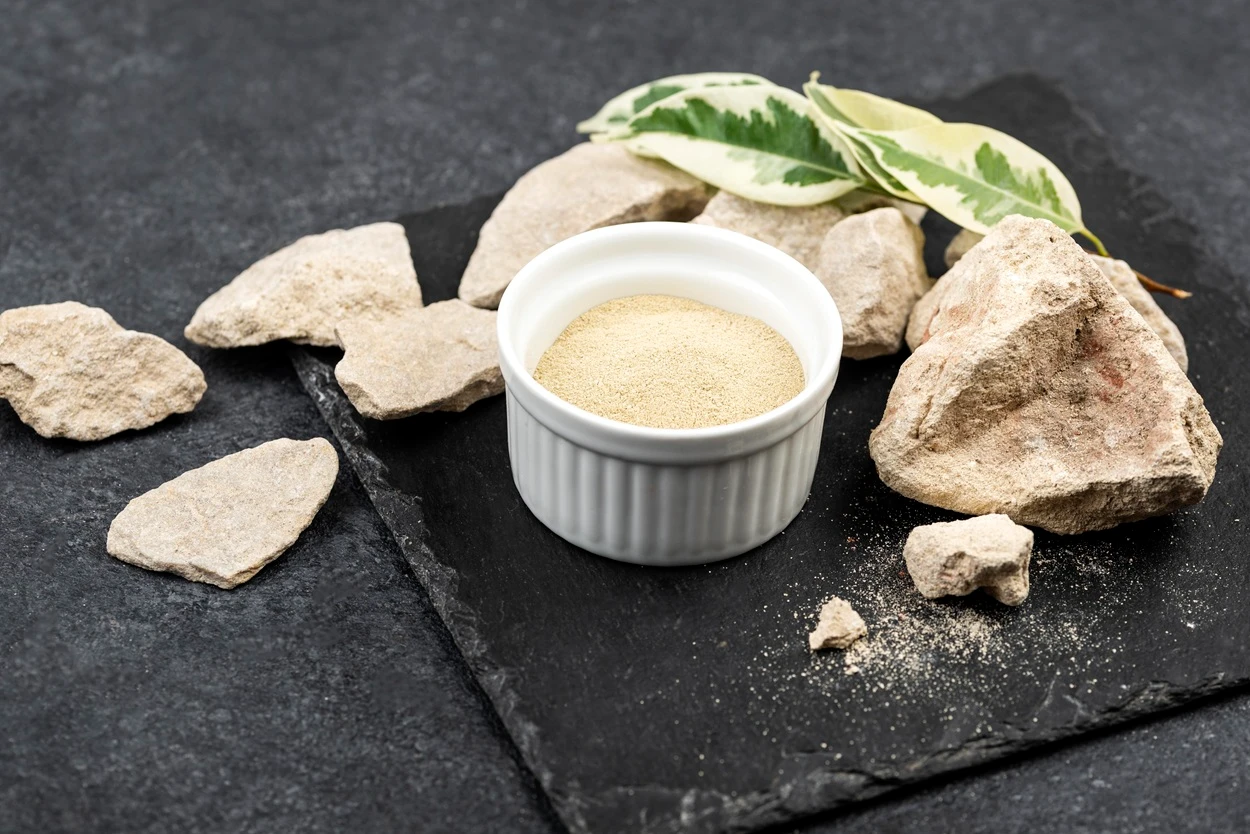


The global protein supplement market has witnessed a revolutionary shift with the emergence of fermented yeast protein, a cutting-edge alternative that's transforming how fitness enthusiasts and athletes approach their nutrition goals. This innovative protein source combines advanced fermentation technology with complete amino acid profiles to deliver exceptional nutritional benefits that traditional protein powders often struggle to match.
This comprehensive guide explores what fermented yeast protein is, how it's produced, and why it's becoming the preferred choice for health-conscious individuals seeking sustainable, high-quality protein supplementation. By reading this post, you'll discover the unique advantages of fermented protein sources, understand how they compare to conventional options, and learn practical ways to incorporate this breakthrough nutrition solution into your daily routine.
Fermented yeast protein is created through a sophisticated process where specific strains of yeast are cultivated and fermented under controlled conditions. During fermentation, the yeast cells naturally produce high-quality protein while breaking down complex compounds into more digestible forms. This process creates a complete protein source that contains all nine essential amino acids your body cannot produce on its own.
Unlike regular nutritional yeast, fermented yeast protein undergoes specialized fermentation techniques that concentrate the protein content while enhancing bioavailability. The fermentation process also produces beneficial compounds like B-vitamins and beta-glucans, making it a more nutritionally dense option compared to many traditional protein sources.
Modern fermentation facilities use precise temperature, pH, and nutrient control to optimize yeast growth and protein production. The process begins with selecting premium yeast strains known for their protein-producing capabilities. These strains are then cultivated in sterile environments with carefully balanced nutrients to maximize protein synthesis.
After fermentation, the yeast undergoes purification and processing steps that concentrate the protein while removing unwanted components. Quality control measures include testing for purity, protein content, amino acid profiles, and potential contaminants to ensure the final product meets strict nutritional standards.
One of the most impressive aspects of fermented yeast protein is its complete amino acid profile. Research shows that it contains all essential amino acids in ratios that closely match human muscle protein requirements. The branched-chain amino acid (BCAA) content is particularly notable, with leucine levels that support muscle protein synthesis effectively.
When compared to plant-based proteins like pea or rice protein, fermented yeast protein offers superior amino acid completeness without requiring protein blending. Unlike some plant proteins that may be deficient in certain amino acids, this fermented protein source provides a balanced profile that rivals animal-based proteins in quality.
The fermentation process significantly enhances protein digestibility and absorption. Studies indicate that fermented yeast protein has a protein digestibility score comparable to whey protein, making it highly effective for muscle building and recovery. The fermentation breaks down complex protein structures into smaller, more easily absorbed peptides.
This enhanced bioavailability means your body can utilize more of the protein you consume, leading to better results from your supplementation efforts. Athletes and fitness enthusiasts often report improved recovery times and reduced digestive discomfort compared to other protein sources.
Research demonstrates that fermented yeast protein effectively stimulates muscle protein synthesis, the process by which your body builds and repairs muscle tissue. The high leucine content triggers the molecular pathways responsible for muscle growth, making it an excellent choice for athletes focused on strength and muscle development.
Studies have shown that consuming fermented yeast protein post-workout can enhance recovery and support lean muscle mass gains when combined with resistance training. The rapid absorption and complete amino acid profile make it particularly effective during the critical post-exercise recovery window.
One of the standout yeast protein benefits is its exceptional digestive tolerance. Unlike dairy-based proteins that can cause bloating or digestive issues in lactose-sensitive individuals, fermented yeast protein is naturally free from common allergens including lactose, gluten, and soy.
The fermentation process also produces prebiotic compounds that may support gut health. These beneficial compounds can help maintain a healthy gut microbiome, which is increasingly recognized as important for overall health, immune function, and nutrient absorption.
Fermented yeast protein requires significantly less water and produces fewer greenhouse gas emissions compared to traditional animal protein production, while delivering identical muscle protein synthesis rates. This makes it an environmentally conscious choice without compromising performance benefits.
For environmentally conscious consumers, fermented yeast protein offers substantial sustainability advantages. The production process requires minimal land use, significantly less water than animal agriculture, and produces lower greenhouse gas emissions. This makes it an attractive option for those looking to reduce their environmental footprint while maintaining their fitness goals.
The efficiency of yeast fermentation means that high-quality protein can be produced in controlled environments year-round, regardless of weather conditions or seasonal variations that might affect other protein sources.
Fermented yeast protein naturally contains beta-glucans, compounds known for their immune-supporting properties. These bioactive compounds may help enhance immune function, particularly beneficial for athletes who engage in intense training that can temporarily suppress immune response.
The fermentation process also preserves and concentrates B-vitamins, including B12, which is often lacking in plant-based diets. These vitamins play crucial roles in energy metabolism, nervous system function, and red blood cell formation.
Regular consumption of fermented yeast protein may support healthy blood sugar levels due to its balanced amino acid profile and lack of added sugars. The protein's ability to promote satiety can also support weight management goals by helping control appetite and reducing cravings.
Some studies suggest that the bioactive compounds produced during fermentation may have beneficial effects on cholesterol levels, though more research is needed to fully understand these potential benefits.
When selecting vegan protein powder yeast options, look for products that have undergone third-party testing for purity and potency. Quality fermented yeast proteins should contain at least 80% protein by weight and provide clear information about amino acid profiles.
Choose products that use minimal processing and avoid unnecessary additives or artificial ingredients. The best options will clearly state their fermentation methods and provide transparency about their production processes.
High-quality fermented yeast protein typically has a mild, slightly nutty flavor that mixes well with various beverages and foods. Unlike some plant proteins that can be gritty or chalky, well-processed fermented yeast protein should dissolve smoothly in liquids.
The natural flavor profile makes it versatile for use in smoothies, baked goods, or simply mixed with water or plant milk for a quick protein boost.
Fermented yeast protein is generally safe for individuals with yeast allergies because the fermentation process breaks down the allergenic compounds found in active yeast. However, those with severe yeast sensitivities should consult their healthcare provider before use and consider starting with small amounts to assess tolerance.
The recommended daily intake varies based on individual needs, but most adults benefit from 20-30 grams per day. Athletes and those with higher protein requirements may need 40-50 grams daily. It's best to divide this into 2-3 servings throughout the day for optimal absorption and muscle protein synthesis.
While fermented yeast protein provides a complete amino acid profile, nutritional diversity is important for overall health. It can serve as your primary protein supplement, but incorporating various whole food protein sources ensures you receive a full spectrum of nutrients, vitamins, and minerals that support optimal health and performance.
Fermented yeast protein typically has a mild, slightly nutty flavor that many find more palatable than traditional plant proteins. The fermentation process reduces the bitter or chalky taste common in some protein powders, making it easier to mix into smoothies, baked goods, or simply with water or plant milk.
Most users notice improved recovery and energy levels within 1-2 weeks of consistent use. Muscle building and strength gains typically become apparent after 4-6 weeks when combined with proper training and nutrition. Digestive benefits, such as reduced bloating compared to dairy proteins, are often noticed within the first few days of use.
Fermented yeast protein represents a significant advancement in sustainable, high-quality protein supplementation that addresses the growing demand for environmentally conscious nutrition without compromising performance benefits. This innovative protein source delivers complete amino acid profiles, superior digestibility, and unique health advantages that make it an excellent choice for athletes, fitness enthusiasts, and health-conscious individuals seeking optimal nutrition. The research clearly demonstrates that fermented yeast protein can effectively support muscle protein synthesis, enhance recovery, and provide immune system benefits while maintaining an environmentally sustainable production process. As the sports nutrition industry continues to evolve toward more sustainable and effective solutions, fermented yeast protein stands out as a forward-thinking choice that aligns with both performance goals and environmental values.




Someone sent you


