Why Post-Workout Muscle Cramps Happen: A Step-by-Step Guide
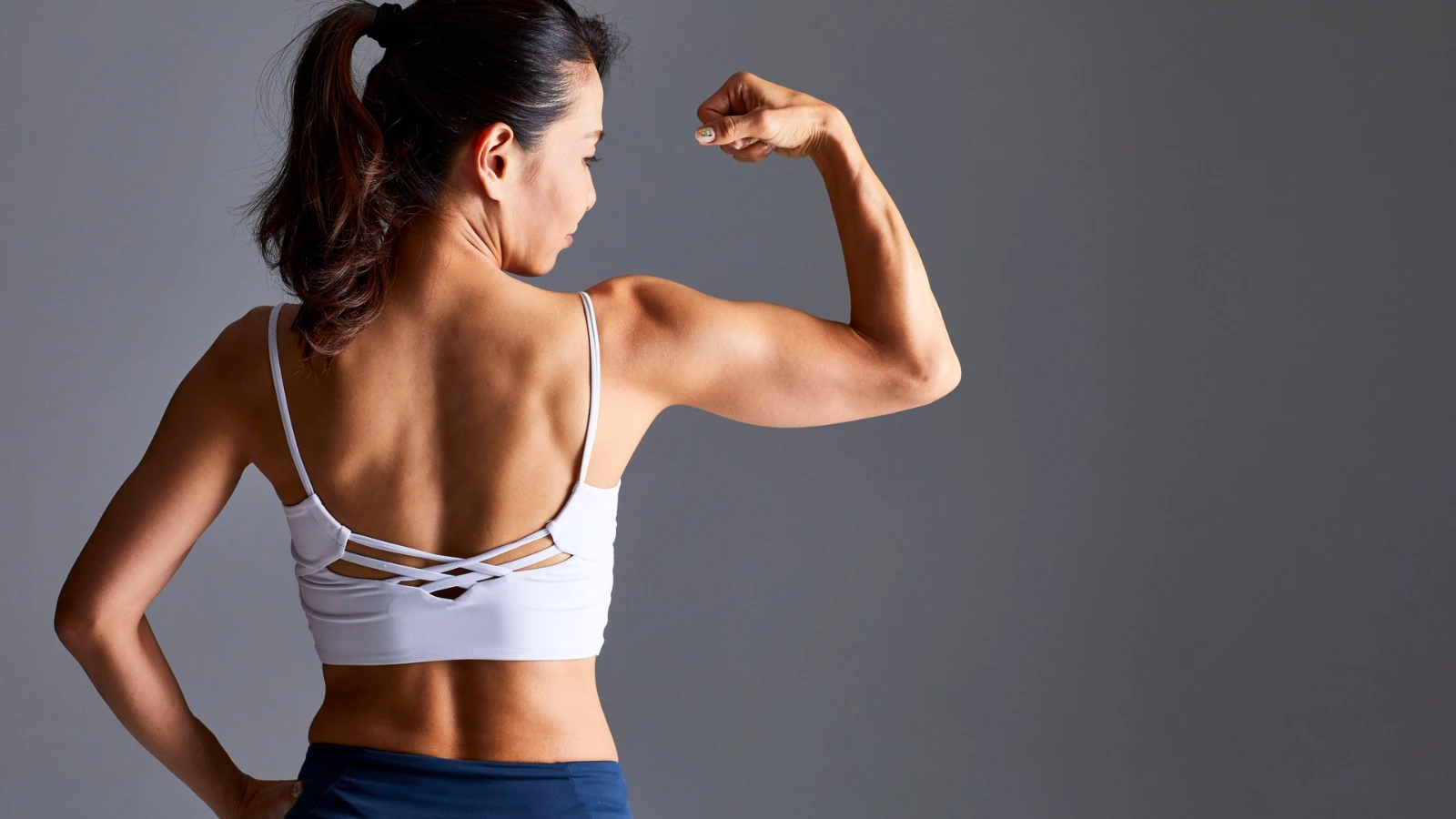


A hard workout can leave a muscle tight, sore, or suddenly locked in place. These sensations may seem alike, but they are not. If you ask, 'why do i get muscle cramps after working out,' the answer often involves muscle fatigue, fluid loss, and recovery demands working together.
This guide explains what post-workout cramps are, why they often affect the legs, and what to do when one begins. It also covers practical habits that support hydration, stretching, and muscle recovery.
A muscle cramp is a sudden, involuntary contraction. The muscle tightens without your intent and may feel hard, painful, or difficult to move for a short time. The contraction can occur during exercise or after the session has ended.
Exercise places repeated demands on the nerve signals that guide muscle movement. It also challenges the muscle itself. When those systems are under strain, normal control of contraction and relaxation may be disrupted. This can lead to exercise cramps.
Post workout cramps may also appear later, when you are resting. A demanding session, sweat loss, and incomplete recovery can still affect how the muscle responds after activity ends.
Muscle cramps and post-workout soreness feel different. A cramp is sudden and forceful. It causes a muscle to contract when you do not want it to.
Soreness usually develops more gradually. Delayed onset muscle soreness, often called DOMS, can appear after unfamiliar or demanding exercise. It is linked with changes in muscle tissue and connective tissue after exercise. Soreness may make movement uncomfortable, but it does not usually cause a muscle to lock into a sharp contraction.
There is rarely one cause behind muscle cramps. A cramp can result from several stresses that overlap. Overexertion, dehydration, electrolyte loss, and neuromuscular fatigue are common factors to consider.
A hard workout may place more demand on a muscle than it can manage comfortably. This is more likely after a sudden rise in training load, long activity, or repeated high-effort movements. The muscle may then be more prone to cramping during recovery.
Sweating helps regulate body temperature during activity. However, sweat loss also reduces body fluid. If that fluid is not replaced, dehydration cramps may become more likely.
Hydration needs can vary with exercise length, effort, and how much you sweat. The goal is not to follow one fixed amount for everyone. Instead, pay attention to drinking regularly around your workout and replacing fluid lost through sweat.
Electrolytes help support normal muscle and nerve function. Sodium, magnesium, and potassium are often discussed in relation to cramps because they are involved in these processes. Sweat loss and limited replacement may contribute to an electrolyte imbalance after exercise.
Magnesium for cramps is a common topic because magnesium supports muscle function. Still, a cramp does not automatically mean you have a magnesium deficiency. Food intake, hydration, sweat loss, and training fatigue all matter. Persistent concerns about nutrient intake or recurring cramps should be discussed with a qualified health professional.
Neuromuscular fatigue describes fatigue in the system that links nerves and muscles. During demanding activity, the signals that control a working muscle can change. This altered motor control may make a muscle more likely to contract when it should relax.
This helps explain why cramps may occur even when you believe you drank enough water. Hydration matters, but it is only one part of the picture. A fatigued muscle may still cramp after repeated or intense effort.
Insight Corner: Your Cramp Might Not Be a Hydration Problem After All
Fluid loss can play a role, but training strain and muscle fatigue can also contribute. Looking at the full workout pattern gives a clearer view than blaming one cause.
Leg cramps are common because the lower body often handles much of the workload. The calves, hamstrings, quadriceps, and feet support walking, running, jumping, cycling, and strength movements. They may perform repeated contractions for long periods.
These muscles can be especially affected when activity rises quickly or when form changes as fatigue builds. Long periods of effort may also leave lower-body muscles feeling tight. After exercise, a cramp may develop as the muscle moves from high demand into rest.
Circulation and movement can also shape how the legs feel after training. Staying still immediately after a hard session may make tightness more noticeable. Gentle movement can help you assess whether the muscle is easing or remains sharply contracted.
First, stop the movement that triggered the cramp. Do not force the muscle through a painful contraction. Give it time to release.
Next, gently stretch the cramped muscle. Move slowly and avoid bouncing. If the calf cramps, a controlled calf stretch may help lengthen the tightened area. Gentle pressure or massage may also feel useful if it does not increase pain.
Light movement can help once the sharp contraction starts to settle. Walk slowly or move the affected limb through a comfortable range. Drink fluids as part of your post-workout recovery, especially if you have sweated heavily.
If the cramp does not ease, becomes severe, or makes normal movement difficult, avoid trying to train through it. Seek appropriate medical guidance for symptoms that concern you.
Prevention starts before the workout. Build training demand gradually, especially after time away from exercise. A sudden increase in intensity, duration, or volume can raise fatigue in muscles that are not yet prepared for it.
Include recovery as part of the training plan. Adequate rest between demanding sessions gives muscles time to adapt. Notice patterns too. Record when cramps occur, which muscles cramp, the workout you completed, and whether you lost a lot of sweat.
Begin exercise well hydrated. Drink fluids through the day rather than waiting until a workout starts. During longer or sweat-heavy activity, take regular opportunities to drink. After exercise, continue replacing fluids as part of recovery.
When sweat loss is substantial, consider the role of electrolyte replacement as well as plain fluids. Your needs depend on the workout and your individual sweat loss. A qualified professional can provide more personal guidance when cramps occur often.
Stretching can be useful when it is gentle and targeted. After exercise, a calm cool-down and comfortable stretching may help reduce the feeling of tightness in heavily used muscles. Focus on the calves, hamstrings, quadriceps, and other areas that worked hard.
Stretching is not a guarantee against every cramp. It works best alongside progressive training, hydration, and enough recovery. Avoid pushing a stretch into pain, particularly when a muscle is already cramping.
Most occasional muscle cramps settle with rest and basic recovery. However, recurring, severe, or persistent cramps deserve medical review. The same applies when cramps occur without a clear exercise trigger or are paired with symptoms that worry you.
A clinician can assess your individual context, including training load, hydration habits, diet, and other relevant factors. This is more useful than assuming every cramp has the same cause.
Lactic acid buildup is a metabolic byproduct produced during high-intensity exercise. It is not the same as a muscle cramp and does not explain delayed soreness on its own. Cramping is more closely linked with involuntary contraction, fatigue, fluid loss, and electrolyte factors.
Leg cramps are not explained by one vitamin deficiency. Magnesium and potassium are commonly discussed because they support muscle function. Recurring cramps should be assessed in the context of diet, hydration, sweat loss, and exercise load.
Post-exercise soreness can result from changes in muscle tissue and connective tissue after demanding or unfamiliar exercise. DOMS is different from a cramp because it is not a sudden involuntary contraction. Supporting muscle recovery through rest, gentle movement, and hydration may help ease soreness between sessions.
Cramps means sudden, involuntary muscle contractions. They can feel tight, painful, and difficult to release for a short period.
Muscle cramps after exercise can reflect a mix of fatigue, overexertion, hydration, sweat loss, and electrolyte balance. Gentle stretching, pressure, and movement may help when a cramp begins. Over time, gradual training progress and thoughtful recovery can help you spot and manage your own patterns. Wellbeing Nutrition offers products designed to support everyday wellness goals, including Whey Protein, and Triple Magnesium Complex that supports muscle function.




Someone sent you


