13 Natural Collagen Sources for Glowing Skin
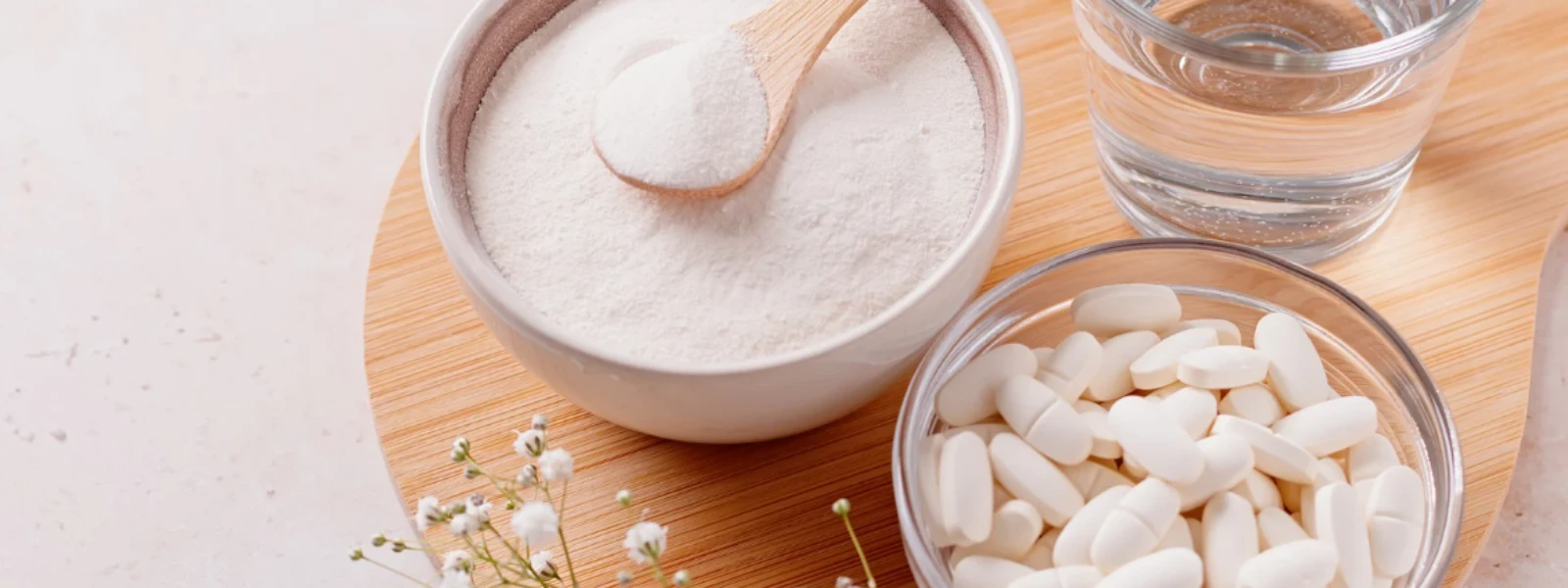


Your skin's natural collagen production begins to decline by about 1% each year after age 25. This gradual loss leads to fine lines, reduced elasticity, and that overall tired appearance many of us notice in our thirties. While the beauty industry offers countless products promising to restore youthful skin, the most effective approach lies in understanding how to get collagen naturally through your diet.
This comprehensive guide explores 13 proven natural collagen sources that can help transform your skin from within. You'll discover which foods boost collagen production most effectively, learn the science behind natural collagen synthesis, and understand how to create a sustainable diet for collagen support. By the end of this article, you'll have a clear roadmap for nourishing your skin naturally and supporting your body's own collagen-building processes.
Collagen is your body's most abundant protein, making up about 30% of all proteins in your system. Think of it as the scaffolding that holds your skin together, providing structure, firmness, and elasticity. This remarkable protein consists of amino acids arranged in a triple-helix structure that gives your skin its bounce and resilience.
Your skin contains primarily Type I collagen, which accounts for about 80% of the collagen in your dermis. This type is responsible for skin strength and elasticity. As collagen levels decrease with age, you'll notice several changes: fine lines appear first around the eyes and mouth, skin becomes thinner and less plump, and wounds take longer to heal.
The connection between collagen and skin health extends beyond appearance. Collagen helps maintain your skin's moisture barrier, supports cellular repair processes, and protects against environmental damage. When your body has adequate collagen, your skin appears more hydrated, feels firmer, and maintains that coveted youthful glow.
Your body naturally creates collagen through a complex process called collagen synthesis. This process requires specific amino acids as building blocks: glycine, proline, and hydroxyproline. These amino acids combine with other nutrients to form collagen chains that eventually become the mature collagen fibers in your skin.
Vitamin C plays a crucial role in this process as a cofactor for enzymes that stabilize collagen structure. Without adequate Vitamin C, your body cannot produce stable, functional collagen. This is why sailors historically developed scurvy when deprived of Vitamin C-rich foods during long voyages.
Other essential nutrients for collagen synthesis include zinc, copper, and manganese. These minerals act as cofactors for various enzymes involved in collagen formation. Iron also contributes to the process, particularly in the hydroxylation of proline and lysine amino acids.
Did You Know?
Your body produces about 1-2 grams of collagen daily when you're young and healthy. However, this production can increase significantly when you provide the right nutritional building blocks through natural collagen sources.
Natural sources are often more effective than isolated supplements because whole foods provide a complete matrix of nutrients that work synergistically. When you consume bone broth, for example, you're not just getting collagen peptides – you're also getting glycosaminoglycans, minerals, and other compounds that support overall skin health.
Scientific evidence strongly supports the ability to rebuild collagen naturally through dietary interventions. Studies show that consuming collagen-rich foods and collagen-supporting nutrients can increase skin hydration, elasticity, and density within 4-12 weeks of consistent intake.
The timeline for seeing results varies based on several factors: your current age, baseline collagen levels, overall diet quality, and lifestyle factors like sun exposure and stress levels. Most people notice improvements in skin texture and hydration within 4-6 weeks, while more significant changes in elasticity and fine lines may take 8-12 weeks.
1. Bone Broth stands as the ultimate collagen powerhouse among natural sources. When bones simmer for 12-24 hours, the collagen breaks down into easily absorbed gelatin and collagen peptides. A single cup of properly made bone broth can contain 6-12 grams of collagen, along with beneficial minerals like calcium, magnesium, and phosphorus.
2. Wild-Caught Fish with Skin provides marine collagen, which some studies suggest may be more bioavailable than land-animal collagen. Fish like salmon, mackerel, and sardines offer Type I collagen along with omega-3 fatty acids that support skin health. The skin contains the highest concentration of collagen, so don't discard it during cooking.
3. Grass-Fed Beef contains significant amounts of Types I and III collagen, particularly in tougher cuts like chuck roast, brisket, and short ribs. These cuts require slow cooking methods that break down collagen into gelatin, making it more digestible and beneficial for skin health.
4. Free-Range Chicken provides collagen primarily in the skin, cartilage, and connective tissues. Chicken feet and wings are particularly rich sources, often used in traditional bone broths across many cultures. The collagen from chicken is easily digestible and contains all essential amino acids.
5. Egg Whites offer high concentrations of proline and glycine, two amino acids essential for collagen production. While eggs don't contain pre-formed collagen, they provide the building blocks your body needs to synthesize its own collagen.
6. Citrus Fruits like oranges, lemons, and grapefruits are essential for collagen synthesis due to their high Vitamin C content. One medium orange provides about 70mg of Vitamin C, which supports the hydroxylation of proline and lysine in collagen formation.
7. Leafy Greens such as spinach, kale, and Swiss chard contain chlorophyll, which has been shown to increase collagen production. These vegetables also provide Vitamin C, folate, and antioxidants that protect existing collagen from damage.
8. Berries including blueberries, strawberries, and blackberries are rich in anthocyanins and other antioxidants that protect existing collagen from free radical damage. They also provide Vitamin C and ellagic acid, which supports collagen stability.
9. Bell Peppers contain more Vitamin C than citrus fruits, with one cup of red bell pepper providing about 190mg of Vitamin C. They also contain capsanthin, an antioxidant that supports skin health and collagen protection.
10. Tomatoes provide lycopene, a powerful antioxidant that protects collagen from UV damage and supports skin elasticity. Cooked tomatoes offer higher lycopene bioavailability than raw ones.
11. Nuts and Seeds like almonds, sunflower seeds, and pumpkin seeds provide zinc and copper, essential minerals for collagen enzyme function. They also offer healthy fats that support overall skin health and nutrient absorption.
12. Beans and Legumes supply plant-based amino acids including glycine and proline. While they don't provide complete amino acid profiles like animal proteins, they contribute valuable building blocks for collagen synthesis when combined with other protein sources.
13. Whole Grains like quinoa, brown rice, and oats provide B-vitamins and minerals that support collagen metabolism. They also offer sustained energy that helps maintain consistent nutrient intake throughout the day.
Bone broth consistently ranks as the highest natural collagen source, containing 6-12 grams of collagen per cup depending on preparation method and bone types used. The long cooking process breaks down collagen into gelatin and smaller peptides that your body can easily absorb and utilize.
Fish with skin follows as the second-highest source, particularly when the skin is consumed. Marine collagen has smaller molecular weight than land-animal collagen, potentially making it more bioavailable. Beef and chicken provide substantial collagen, but the amounts vary significantly based on the cut and cooking method.
To maximize collagen extraction from foods, use slow cooking methods like braising, stewing, or pressure cooking. These techniques break down tough connective tissues and release more collagen into your meal.
A well-designed diet for collagen should include both direct collagen sources and foods that support natural collagen synthesis. Start your day with a collagen-rich breakfast like bone broth with vegetables or eggs with citrus fruit. This provides immediate amino acids and Vitamin C for collagen production.
For lunch, combine leafy greens with protein sources like fish or chicken. Add bell peppers and tomatoes for additional Vitamin C and antioxidants. This combination provides both building blocks and protective compounds for your skin.
Dinner should focus on slow-cooked meats or fish with colorful vegetables. A weekly meal prep routine might include making a large batch of bone broth on Sundays, then using it throughout the week in soups, stews, and as a cooking liquid for grains.
Timing matters for optimal absorption. Consume collagen-rich foods on an empty stomach when possible, as this reduces competition with other proteins for absorption. However, pairing collagen sources with Vitamin C-rich foods enhances synthesis regardless of timing.
Bone broth stands out as the primary liquid collagen source, providing 6-12 grams per cup. For maximum benefits, sip warm bone broth between meals or use it as a base for soups and stews. Green tea also supports collagen health through its polyphenol content, which protects existing collagen from breakdown.
Collagen-supporting smoothies can combine berries, leafy greens, and citrus fruits to provide antioxidants and Vitamin C. While these don't contain pre-formed collagen, they supply essential nutrients for natural collagen production.
Protecting your existing collagen is just as important as supporting new production. Daily sun protection with broad-spectrum SPF 30 or higher prevents UV damage that breaks down collagen fibers. Even brief sun exposure without protection can damage collagen, so make sunscreen a non-negotiable part of your routine.
Quality sleep supports collagen repair and regeneration. During deep sleep, your body increases growth hormone production, which stimulates collagen synthesis. Aim for 7-9 hours of consistent, quality sleep each night.
Limit sugar and processed foods, as these can cause glycation – a process where sugar molecules bind to collagen fibers, making them stiff and brittle. This process accelerates visible aging and reduces skin elasticity.
Stay well-hydrated to maintain skin elasticity and support nutrient transport to skin cells. Proper hydration helps maintain the skin's moisture barrier and supports the delivery of collagen-building nutrients to where they're needed most.
Manage stress through techniques like meditation, yoga, or regular exercise. Chronic stress increases cortisol levels, which can break down collagen and impair new collagen formation.
Early signs of low collagen include fine lines around the eyes and mouth, reduced skin elasticity (skin takes longer to bounce back when pinched), and slower wound healing. You might also notice your skin feels thinner or more fragile than before.
Joint stiffness or discomfort can also indicate declining collagen levels, as collagen is essential for cartilage health. If you notice these signs, increasing natural collagen intake through diet can help support your body's repair processes.
Most people notice improvements in skin hydration and texture within 4-6 weeks of consistently consuming natural collagen sources. More significant changes in elasticity and fine lines typically become visible after 8-12 weeks. Individual results vary based on age, baseline collagen levels, and overall diet quality.
While vegetarians cannot consume pre-formed collagen from animal sources, they can support natural collagen production through plant-based nutrients. Focus on Vitamin C-rich foods, leafy greens, nuts, seeds, and legumes to provide essential amino acids and cofactors for collagen synthesis.
Type I collagen is most abundant in skin, bones, and tendons, providing strength and structure. Type II collagen is found primarily in cartilage and supports joint health. Type III collagen works alongside Type I in skin and blood vessels, providing elasticity and flexibility.
For optimal collagen benefits, aim for 1-2 cups of bone broth daily. This provides approximately 6-24 grams of collagen, depending on the broth's concentration. Start with smaller amounts and gradually increase to assess your body's response and tolerance.
Natural collagen sources are generally well-tolerated with minimal side effects. Some people may experience mild digestive upset when first increasing bone broth consumption. Start with smaller portions and gradually increase intake to allow your digestive system to adapt.
Supporting your skin's natural collagen production through diet offers a sustainable, science-backed approach to maintaining healthy, youthful skin. The 13 natural collagen sources outlined in this guide provide both direct collagen and essential nutrients that support your body's own collagen synthesis processes. From collagen-rich bone broth to Vitamin C-packed citrus fruits, each food plays a unique role in supporting skin health from within. Remember that consistency is key – incorporating these foods regularly into your diet, combined with protective lifestyle habits, can help maintain and even improve your skin's collagen levels naturally. Consider exploring high-quality supplements that complement your dietary efforts for comprehensive skin support and overall wellness.




Someone sent you
Powered by ReferRush


