7 Biotin Benefits for Radiant, Healthy Skin


Your skin reflects your overall health, and when it comes to achieving that coveted radiant glow, the spotlight often falls on various vitamins and nutrients. Among these, biotin—also known as Vitamin B7—has gained significant attention for its potential skin benefits. But is biotin good for skin health, or is it just another wellness trend? This comprehensive guide explores seven science-backed biotin benefits for skin, helping you understand how this essential B vitamin might contribute to your skincare routine and overall skin health.
Biotin, scientifically known as Vitamin B7 or Vitamin H, is a water-soluble vitamin that plays a crucial role in various metabolic processes throughout your body. This essential nutrient acts as a cofactor for several enzymes involved in the metabolism of fats, carbohydrates, and proteins—all of which are fundamental building blocks for healthy skin.
When it comes to skin health, biotin's primary function involves supporting the production of fatty acids that are essential for maintaining healthy cell membranes. These fatty acids help create the skin's protective barrier, which keeps moisture in and harmful substances out. Additionally, biotin plays a vital role in keratin synthesis, the protein that forms the structural foundation of your skin, hair, and nails.
Biotin deficiency, though relatively rare, can manifest in various skin-related symptoms including dry, scaly skin, dermatitis around the eyes and mouth, and even hair loss. This connection between biotin levels and skin appearance has led researchers to investigate whether biotin supplementation might offer benefits for overall skin health.
One of biotin's most significant contributions to skin health lies in its ability to support healthy skin cell production. Biotin facilitates the synthesis of fatty acids that are essential for maintaining cell membrane integrity. When your skin cells have strong, healthy membranes, they function more efficiently and maintain better hydration levels.
This process directly impacts your skin's ability to regenerate and repair itself. Healthy cell turnover means that old, damaged skin cells are replaced more efficiently with fresh, vibrant ones, contributing to a more youthful and radiant appearance.
Biotin plays a fundamental role in keratin synthesis, which is crucial for maintaining skin structure and resilience. Keratin is a fibrous protein that provides strength and protection to your skin's outer layer. When biotin levels are adequate, your body can produce keratin more effectively, resulting in skin that appears firmer and more resilient to environmental stressors.
This enhanced keratin production may also contribute to improved skin texture and a reduction in the appearance of fine lines and wrinkles over time.
Research suggests that biotin may influence sebaceous gland function, which controls oil production in your skin. While the relationship between biotin and acne is complex, some studies indicate that adequate biotin levels might help regulate sebum production, potentially benefiting those with acne-prone skin.
However, it's important to note that excessive biotin supplementation has also been associated with acne breakouts in some individuals, highlighting the importance of maintaining balanced nutrient levels rather than pursuing megadoses.
Biotin's role in fatty acid production directly impacts your skin's moisture barrier function. A healthy moisture barrier is essential for maintaining skin hydration and achieving that coveted glowing complexion. When your skin's barrier function is optimized, it retains moisture more effectively while protecting against environmental damage.
This improved barrier function can result in skin that appears plumper, smoother, and more radiant, with reduced signs of dryness and irritation.
Expert Insight
According to dermatological research, biotin deficiency affects fewer than 1 in 137,000 people, but even mild deficiencies can impact skin health. The key is ensuring adequate intake through diet or supplementation when necessary, rather than pursuing excessive doses.
Biotin contributes to various metabolic processes that support skin healing and repair. This includes its involvement in collagen metabolism, which is essential for wound healing and maintaining skin elasticity. While biotin isn't directly involved in collagen synthesis like Vitamin C, it supports the overall metabolic environment necessary for effective tissue repair.
This benefit may be particularly relevant for individuals dealing with minor skin irritations, cuts, or other forms of skin damage that require efficient healing processes.
Some research suggests that biotin supplementation might help alleviate certain inflammatory skin conditions, particularly those related to biotin deficiency. Conditions such as seborrheic dermatitis and periorificial dermatitis have shown improvement with biotin supplementation in some cases.
While biotin isn't a cure-all for inflammatory skin conditions like eczema, ensuring adequate biotin levels may support overall skin health and potentially reduce inflammation in deficient individuals.
The cumulative effect of biotin's various functions contributes to overall skin vitality. By supporting cellular metabolism, protein synthesis, and barrier function, adequate biotin levels help maintain skin that appears healthy, vibrant, and resilient.
This comprehensive support for skin health may result in improved skin tone, texture, and overall appearance, though individual results can vary based on factors such as genetics, lifestyle, and overall nutritional status.
While biotin is generally considered safe, it's important to be aware of potential side effects, particularly when taking high-dose supplements. Some individuals may experience skin-related side effects from biotin supplementation, including:
Paradoxically, excessive biotin intake has been associated with acne breakouts in some people. This may occur due to biotin's interaction with Vitamin B5 (pantothenic acid) absorption. High doses of biotin can interfere with B5 absorption, potentially leading to relative B5 deficiency, which may trigger acne in susceptible individuals.
Other potential skin-related side effects include rashes or allergic reactions, though these are relatively uncommon. If you experience any adverse skin reactions after starting biotin supplementation, it's advisable to discontinue use and consult with a healthcare provider.
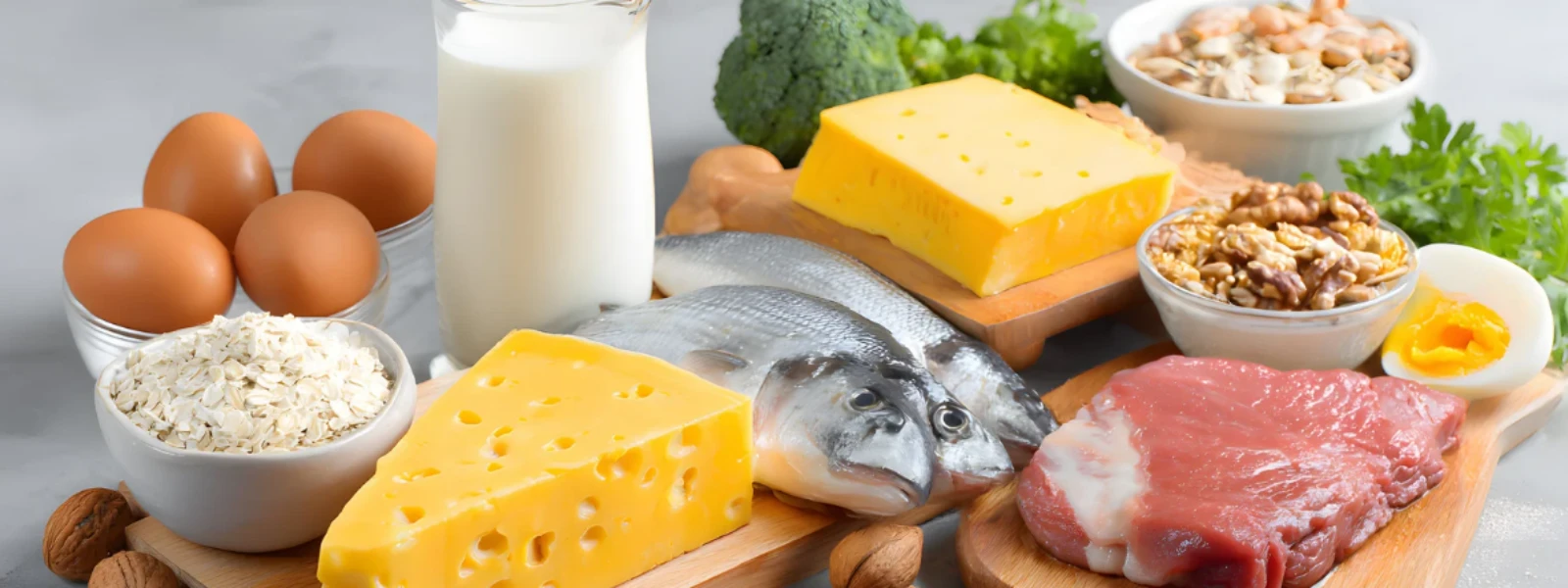
The recommended daily intake of biotin for adults is 30 micrograms, which can typically be met through a balanced diet. Foods rich in biotin include eggs, nuts, seeds, fish, meat, and certain vegetables like sweet potatoes and spinach.
For those considering biotin supplementation for skin health, it's important to start with moderate doses and monitor your skin's response. Most biotin supplements contain doses far exceeding the daily requirement, so choosing a supplement with appropriate dosing is crucial.
Results from biotin supplementation for skin health typically aren't immediate. Since skin cell turnover takes approximately 28 days, any potential benefits may take several weeks to become noticeable. Consistency in supplementation and patience are key factors in evaluating biotin's effectiveness for your skin.
Most people begin to notice potential skin improvements after 4-6 weeks of consistent biotin supplementation. This timeframe aligns with the natural skin cell turnover cycle, which takes approximately 28 days. However, individual results may vary based on factors such as baseline biotin levels, overall nutrition, and skin type.
Yes, excessive biotin supplementation can potentially cause skin problems in some individuals. High doses may lead to acne breakouts due to interference with Vitamin B5 absorption. Some people may also experience allergic reactions or rashes. It's important to stick to recommended dosages and monitor your skin's response when starting supplementation.
Biotin and collagen work through different mechanisms to support skin health. Biotin supports cellular metabolism and keratin production, while collagen provides structural support and helps maintain skin elasticity. Rather than being better or worse, they complement each other in supporting overall skin health. The choice between them depends on your specific skin concerns and nutritional needs.
Individuals taking certain medications, particularly anticonvulsants, should consult healthcare providers before taking biotin supplements. People with known allergies to biotin or those experiencing acne flare-ups from supplementation should also avoid or discontinue use. Pregnant and breastfeeding women should seek medical advice before starting any new supplements.
Biotin's relationship with acne is complex and individual-dependent. While adequate biotin levels may support healthy skin function, excessive supplementation can potentially worsen acne in some people by interfering with Vitamin B5 absorption. If you're acne-prone, start with lower doses and monitor your skin's response carefully.
Biotin offers several science-backed benefits for skin health, from supporting cellular regeneration to enhancing moisture barrier function. While it's not a magic solution for all skin concerns, ensuring adequate biotin levels through diet or appropriate supplementation can contribute to healthier, more radiant skin. The key lies in understanding that biotin works best as part of a comprehensive approach to skin health, including proper nutrition, skincare, and lifestyle habits. Remember that individual responses to biotin supplementation can vary, and it's always wise to consult with healthcare providers before making significant changes to your supplement routine. By taking a balanced, informed approach to biotin supplementation, you can harness its potential benefits while minimizing any risks for optimal skin health.




Someone sent you
Powered by ReferRush


