7 Must-Do Steps: Vegan Protein for Joint Pain
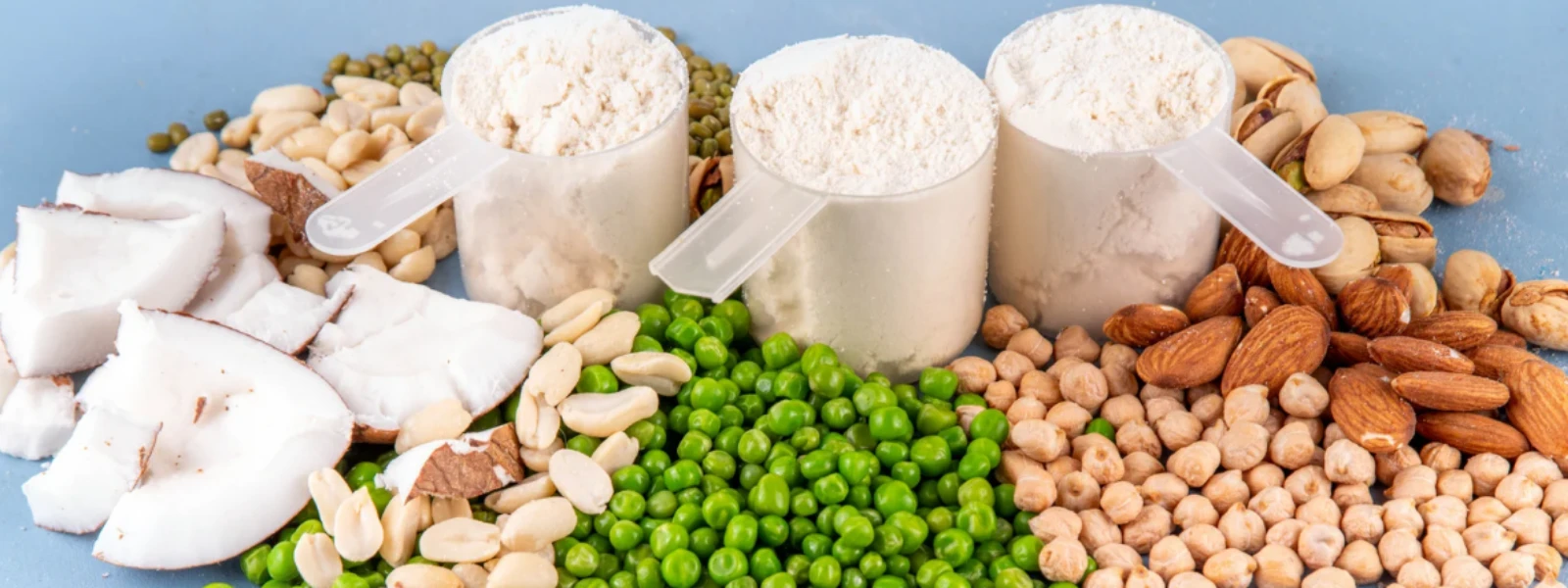


Joint pain affects millions of people worldwide, often leading them to seek relief through various supplements and dietary changes. While traditional approaches focus on animal-based proteins, emerging research reveals that plant-based proteins offer superior anti-inflammatory benefits for joint health. This comprehensive guide will walk you through seven essential steps to harness the power of vegan protein for joint pain relief while simultaneously boosting your skin health and overall wellness.
You'll discover how to select the most effective vegan protein sources, optimize your timing for maximum benefits, and create delicious recipes that support both joint comfort and radiant skin. By the end of this guide, you'll have a complete roadmap to transform your approach to joint health using the best vegan protein powder for joint pain.
Plant-based proteins contain powerful phytochemicals and antioxidants that animal proteins simply cannot match. These natural compounds work synergistically to reduce inflammation throughout your body, targeting the root cause of joint discomfort rather than just masking symptoms.
Research published in the Journal of Nutritional Biochemistry shows that plant proteins contain polyphenols and flavonoids that actively combat inflammatory markers like C-reactive protein and interleukin-6. Unlike animal proteins, which can sometimes trigger inflammatory responses in sensitive individuals, vegan protein for inflammation provides a gentle yet effective approach to joint support.
The connection between joint health and skin beauty runs deeper than most people realize. Chronic inflammation affects collagen production, impacting both joint cartilage and skin elasticity. When you choose plant-based anti-inflammatory protein, you're addressing both concerns simultaneously, creating a foundation for comprehensive wellness.
Not all plant-based proteins are created equal when it comes to joint support. The most effective options combine complete amino acid profiles with natural anti-inflammatory compounds.
Pea protein stands out for its exceptional branched-chain amino acid (BCAA) content, particularly leucine, which plays a crucial role in muscle and joint tissue repair. Studies indicate that pea protein contains up to 18% leucine, making it one of the most effective plant-based options for supporting joint recovery and reducing exercise-induced inflammation.
Hemp protein delivers a unique advantage through its naturally occurring omega-3 fatty acids. These essential fats help regulate inflammatory pathways while providing the building blocks your body needs for healthy joint function. Hemp protein also contains gamma-linolenic acid (GLA), which research suggests may help reduce joint stiffness and improve mobility.
Brown rice protein offers a complete amino acid profile that supports comprehensive joint health. Its high concentration of arginine promotes healthy blood flow to joint tissues, while its gentle digestibility makes it suitable for those with sensitive stomachs.
Did You Know?
Plant-based proteins contain up to 10 times more antioxidants than animal proteins, providing superior protection against the oxidative stress that contributes to joint inflammation and skin aging.
When you consume your protein powder for healthy joints matters just as much as what you choose. Strategic timing maximizes absorption and anti-inflammatory effects.
Consuming 15-20 grams of vegan protein 30 minutes before exercise primes your joints for activity while providing amino acids that help prevent exercise-induced inflammation. This proactive approach supports joint lubrication and reduces the risk of workout-related discomfort.
The 30-60 minutes following exercise represents your golden recovery window. During this time, your body is primed to utilize protein for tissue repair and inflammation reduction. A post-workout serving of plant-based protein for joint health accelerates recovery while supporting long-term joint comfort.
Rather than consuming large amounts of protein in single servings, distribute your intake throughout the day. This approach maintains steady amino acid levels in your bloodstream, providing continuous support for joint repair and inflammation management.
While plants don't contain collagen directly, certain combinations of vegan proteins and nutrients can stimulate your body's natural collagen production more effectively than many collagen supplements.
Combining your collagen boosting vegan protein with Vitamin C-rich foods creates the perfect environment for collagen synthesis. Vitamin C acts as a cofactor in collagen production, while plant proteins provide the amino acid building blocks your body needs.
Try blending your protein powder with berries, citrus fruits, or leafy greens to maximize this synergistic effect. This combination supports both joint cartilage health and skin elasticity, addressing vegan protein and skin health simultaneously.
Glycine, proline, and hydroxyproline are the primary amino acids in collagen. While plant proteins may not contain these in the exact ratios found in animal collagen, they provide the raw materials your body uses to synthesize its own collagen naturally and efficiently.
Choosing the best vegan protein powder requires careful attention to quality indicators and manufacturing standards.
Look for products that undergo third-party testing for heavy metals, pesticides, and contaminants. Quality manufacturers provide certificates of analysis and maintain transparent testing protocols. This ensures you're getting clean, safe nutrition that supports rather than hinders your joint health goals.
The best vegan protein powders contain minimal, recognizable ingredients. Avoid products with artificial fillers, excessive sweeteners, or unnecessary additives that could trigger inflammation in sensitive individuals.
Digestibility scores and absorption rates vary significantly among plant proteins. Look for products that include digestive enzymes or have undergone processing to improve bioavailability. This ensures your body can effectively utilize the protein for joint support and recovery.
Transform your daily protein intake into delicious smoothies that target both joint comfort and skin radiance.
Combine 1 scoop of pea protein with mixed berries, spinach, and a pinch of turmeric. This powerhouse combination delivers anti-inflammatory compounds while providing sustained energy for your day. The berries contribute anthocyanins that specifically target joint inflammation.
Blend hemp protein with banana, ginger, and coconut water for optimal recovery support. The natural electrolytes aid hydration while ginger provides additional anti-inflammatory benefits. This combination supports both muscle recovery and joint comfort.
Create a nighttime blend using brown rice protein with cherries, almond milk, and a touch of vanilla. Cherries contain natural melatonin and anti-inflammatory compounds that support overnight recovery. This recipe addresses vegan protein for beauty while promoting restful sleep.
Tracking your response to vegan joint pain relief requires systematic observation and patience.
Most people begin noticing improvements in joint comfort within 2-4 weeks of consistent use. Skin health benefits may become apparent around the 4-6 week mark as your body's collagen production responds to improved nutrition.
Monitor changes in morning stiffness, exercise recovery time, and overall joint mobility. Keep a simple daily log rating your comfort levels on a 1-10 scale to identify trends and improvements over time.
Protein powder for radiant skin and joint health works best when combined with supportive lifestyle practices.
Incorporate anti-inflammatory foods like leafy greens, fatty fish alternatives, and colorful vegetables to amplify your protein's benefits. Spices like turmeric, ginger, and cinnamon provide additional anti-inflammatory support.
Regular, gentle movement helps distribute nutrients to joint tissues while preventing stiffness. Low-impact activities like swimming, yoga, or walking complement your protein strategy perfectly.
Adequate hydration supports nutrient transport to joints, while quality sleep allows for optimal tissue repair. Aim for 8 glasses of water daily and 7-9 hours of sleep to maximize your protein's effectiveness.
Plant-based proteins, particularly pea and hemp protein, offer superior anti-inflammatory benefits compared to animal proteins. They contain natural phytochemicals and antioxidants that actively reduce inflammation while providing complete amino acid profiles for joint repair.
Yes, vegan protein powders contain polyphenols, flavonoids, and other plant compounds that actively combat inflammatory markers in the body. Unlike some animal proteins that may trigger inflammation in sensitive individuals, plant-based options provide gentle yet effective anti-inflammatory support.
Pea protein isolate ranks highest for joint support due to its exceptional BCAA content and leucine concentration. Hemp protein follows closely with its omega-3 fatty acids and GLA content. Brown rice protein offers excellent digestibility and complete amino acid support for comprehensive joint health.
Most people notice initial improvements in joint comfort within 2-4 weeks of consistent use. Significant changes typically occur around the 6-8 week mark as your body adapts to the anti-inflammatory nutrition and begins producing healthier joint tissues.
Absolutely. The same anti-inflammatory compounds that benefit joints also support collagen production and skin health. Plant proteins provide amino acids essential for natural collagen synthesis while reducing the inflammation that accelerates skin aging, creating dual benefits for both joint comfort and radiant skin.
Implementing these seven steps creates a comprehensive approach to joint health that goes beyond temporary relief. By choosing the right vegan protein sources, optimizing your timing, and combining them with supportive lifestyle practices, you're building a foundation for long-term joint comfort and overall wellness. The anti-inflammatory benefits of plant-based proteins extend beyond joint support, contributing to healthier skin, better recovery, and enhanced quality of life. Remember that consistency is key – give your body time to respond to these positive changes while monitoring your progress along the way.




Someone sent you
Powered by ReferRush


