9 Natural Ways to Treat Sunburn and Soothe Sun Damaged Skin
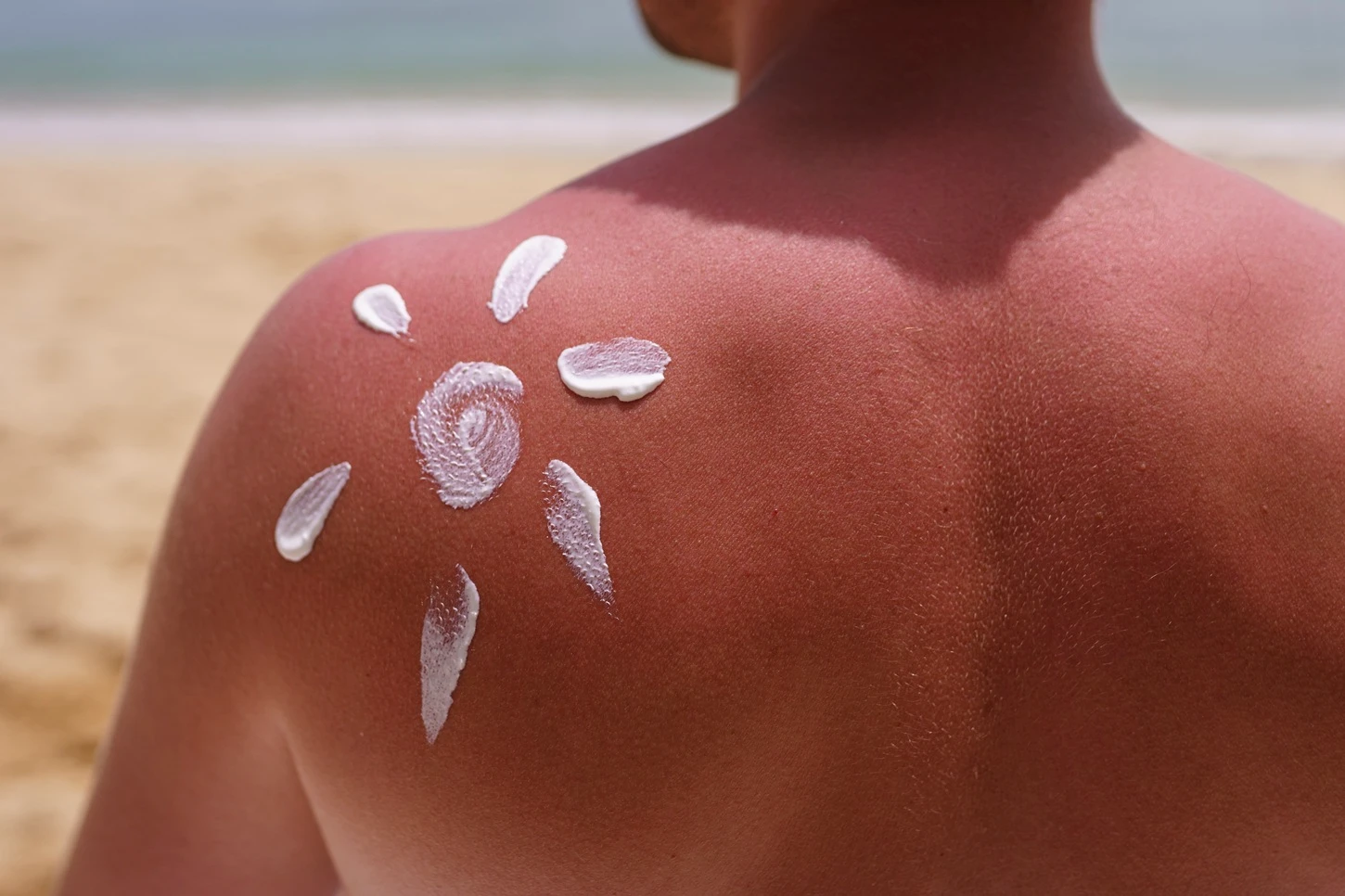


Summer adventures often come with an unwelcome companion: sunburn. Despite our best efforts with sunscreen and protective clothing, UV rays can still leave our skin red, painful, and damaged. Recent dermatological studies show that over 30% of adults experience at least one sunburn episode annually, highlighting the ongoing challenge of sun protection. Understanding how to treat sunburn naturally becomes essential knowledge for anyone who spends time outdoors.
This comprehensive guide explores nine evidence-based natural methods for sunburn treatment that work with your body's healing mechanisms. You'll learn practical techniques to provide immediate sunburn relief, understand the science behind why these methods work, and discover how to prevent future sun damaged skin. Most importantly, you'll gain the knowledge to recognize when natural treatments are sufficient and when professional medical care becomes necessary.
When UV radiation penetrates your skin, it triggers a complex inflammatory response. UVB rays primarily affect the outer skin layer, causing immediate redness and pain. UVA rays penetrate deeper, contributing to long-term skin aging and DNA damage. Your body responds by increasing blood flow to the affected area, creating the characteristic red appearance and warm sensation.
The healing process involves your immune system working to repair damaged cells and remove those beyond repair. This natural response explains why sunburn symptoms often worsen 12-24 hours after exposure before beginning to improve. Understanding this timeline helps set realistic expectations for natural sunburn treatment effectiveness.
First-degree sunburn affects only the outer skin layer, presenting as redness, mild pain, and possible peeling after a few days. Second-degree burns involve deeper skin layers, causing blistering, severe pain, and potential scarring. Natural treatments work best for first-degree burns, while second-degree burns require medical attention.
Sun damaged skin extends beyond immediate burning. It includes premature aging, dark spots, and increased skin sensitivity. Recognizing these signs helps you adjust your treatment approach and prevention strategies accordingly.
Cool water provides immediate relief by reducing skin temperature and slowing the inflammatory response. Take cool showers or baths for 10-15 minutes, avoiding harsh soaps that can further irritate damaged skin. Pat skin dry gently rather than rubbing.
Cold compresses using clean, damp cloths can target specific areas. Apply for 15-20 minutes every few hours. Avoid ice or extremely cold water, which can cause additional tissue damage and worsen inflammation.
Aloe vera contains compounds like acemannan and gibberellins that reduce inflammation and promote healing. Fresh aloe from the plant offers the highest concentration of active ingredients. Cut a leaf lengthwise and apply the gel directly to affected areas.
When choosing commercial aloe products, look for 99% pure aloe vera without added fragrances, alcohol, or colors. Store aloe gel in the refrigerator for additional cooling benefits. Apply 3-4 times daily for optimal sunburn relief.
Sunburn draws fluid to the skin surface, potentially leading to dehydration. Increase water intake significantly, aiming for clear or light yellow urine as a hydration indicator. Consider electrolyte replacement if sweating has been excessive.
Topical hydration involves gentle, fragrance-free moisturizers applied to damp skin to lock in moisture. Look for ingredients like ceramides and hyaluronic acid that support skin barrier repair without causing irritation.
Omega-3 fatty acids from fish, walnuts, and flaxseeds help reduce systemic inflammation. Antioxidant-rich foods like berries, leafy greens, and tomatoes provide compounds that support skin repair from the inside out.
Vitamin C and Vitamin E supplementation may support healing, though food sources are preferable when possible. When considering supplements for skin health, superior ingredients, highly absorbable formats, palatable flavors make a significant difference in both compliance and effectiveness. Avoid alcohol and excessive caffeine, which can worsen dehydration.
Milk contains lactic acid and proteins that can soothe irritated skin. Soak clean cloths in cold milk and apply as compresses for 15-20 minutes. The fat content in whole milk provides additional moisturizing benefits.
Plain yogurt offers similar benefits with added probiotics that may support skin health. Apply a thin layer directly to sunburned areas, leave for 10-15 minutes, then rinse gently with cool water. For those avoiding dairy, coconut milk provides similar cooling and moisturizing properties.
Green tea contains polyphenols, particularly EGCG, which demonstrate anti-inflammatory properties. Brew strong green tea, allow it to cool completely, then use as a compress or gentle rinse on affected areas.
Drinking green tea provides systemic antioxidant benefits that may support healing. Combine topical and internal use for maximum benefit. Avoid adding sugar or honey to tea used topically, as these can attract bacteria to damaged skin.
Colloidal oatmeal contains beta-glucan compounds that form a protective barrier on skin while reducing inflammation. Grind plain oats into fine powder using a blender or food processor. Add to lukewarm bath water and soak for 15-20 minutes.
For localized treatment, mix ground oats with cool water to form a paste. Apply gently to sunburned areas and rinse after 10-15 minutes. This method is particularly beneficial for those with sensitive skin or allergies to other natural treatments.
Lavender oil shows promise for burn healing when properly diluted. Mix 2-3 drops with a tablespoon of carrier oil like coconut or jojoba before applying. Never use essential oils undiluted on damaged skin.
Perform patch tests before widespread use, especially on sun damaged skin that may be more reactive. Avoid citrus oils and other photosensitizing essential oils that can worsen sun sensitivity.
Quality sleep accelerates skin repair through increased growth hormone production and cellular regeneration. Aim for 7-9 hours nightly, keeping your bedroom cool and comfortable.
Sleep on your back if possible to avoid pressure on sunburned areas. Use soft, breathable fabrics for bedding and clothing. Elevate affected limbs slightly to reduce swelling and promote circulation.
Avoid petroleum-based products, which can trap heat and slow healing. Skip harsh exfoliants, alcohol-based products, and anything containing menthol or lidocaine that might initially feel cooling but can cause further irritation.
Don't break blisters if they form, as this increases infection risk. Avoid butter, mayonnaise, or other home remedies lacking scientific support. These can introduce bacteria and worsen inflammation.
Resist the urge to peel healing skin, which can lead to scarring and delayed recovery. If natural treatments cause increased pain, redness, or other concerning symptoms, discontinue use and consider professional evaluation.
Expert Insight Corner
"Recent 2024 dermatological research shows that combining multiple natural treatments - such as aloe vera with proper hydration and anti-inflammatory foods - can reduce healing time by up to 40% compared to single-method approaches. The key is consistency and understanding that natural doesn't mean instant - true healing takes time."
- Dr. Sarah Chen, Board-Certified Dermatologist
Combining treatments addresses different aspects of sunburn recovery simultaneously. Cool compresses reduce immediate inflammation while aloe vera promotes healing. Proper nutrition supports systemic recovery while topical treatments provide localized relief.
Create a routine that includes immediate cooling measures, followed by gentle moisturizing, adequate hydration, and anti-inflammatory nutrition. Monitor your skin's response and adjust treatments based on improvement or any adverse reactions.
Natural methods should show improvement within 48-72 hours. If pain worsens, blistering develops, or signs of infection appear, seek medical attention. Fever, chills, or nausea accompanying sunburn may indicate sun poisoning requiring professional treatment.
Some individuals with certain medical conditions or medications may need modified approaches. When in doubt, consult healthcare providers before relying solely on natural treatments.
Daily broad-spectrum sunscreen with SPF 30 or higher remains the gold standard for prevention. Apply 15-30 minutes before sun exposure and reapply every two hours or after swimming and sweating.
Seek shade during peak UV hours (10 AM to 4 PM), wear protective clothing with UPF ratings, and use wide-brimmed hats and UV-blocking sunglasses. These physical barriers provide reliable protection when used consistently.
A diet rich in antioxidants, healthy fats, and adequate protein supports skin resilience. Regular exercise improves circulation, promoting skin health and repair mechanisms. Avoid smoking and excessive alcohol consumption, which impair healing and accelerate skin aging.
Consider annual skin examinations with dermatologists, especially if you have a history of frequent sunburn or family history of skin cancer. Early detection and professional guidance enhance long-term skin health outcomes.
Severe blistering covering large body areas, signs of infection like pus or red streaking, and systemic symptoms like high fever or severe dehydration require immediate medical evaluation. Children under 12 months with any sunburn need professional assessment.
Individuals with compromised immune systems, diabetes, or other chronic conditions should consult healthcare providers before relying solely on natural treatments. Some medications increase photosensitivity, potentially complicating recovery.
Natural sunburn relief methods typically begin providing comfort within 2-4 hours of application, with visible improvement in skin appearance occurring over 3-7 days depending on burn severity. Consistent application of multiple natural treatments can accelerate the healing process.
Yes, combining natural treatments like aloe vera, cool compresses, and proper hydration is often more effective than using single methods. However, introduce new treatments gradually to ensure your skin doesn't react negatively to any specific ingredient.
Most natural treatments like cool water, aloe vera, and oatmeal baths are safe for children and sensitive skin. However, avoid essential oils on young children and always test small areas first. Consult a pediatrician for severe burns in children under 12 months.
Seek medical attention if you experience severe blistering, fever, chills, nausea, or signs of infection such as pus or red streaking. Natural treatments work best for first-degree burns with redness and mild pain.
Treating existing sunburn focuses on reducing inflammation and supporting healing, while preventing future damage requires consistent sun protection habits, proper nutrition, and building skin resilience. Both approaches can complement each other for optimal skin health.
Natural sunburn treatment offers effective, gentle alternatives to harsh chemical remedies while supporting your skin's innate healing processes. The nine evidence-based methods outlined - from cooling therapies and aloe vera to proper nutrition and adequate rest - work synergistically to provide comprehensive sunburn relief and promote healthy skin recovery. Remember that consistency and patience are key, as natural healing takes time but often provides more sustainable results with fewer side effects. While these natural approaches are highly effective for most sunburn cases, always prioritize your safety and consult healthcare professionals when symptoms are severe or persistent. By incorporating these natural treatments into your sun safety routine and focusing on prevention, you can maintain healthier, more resilient skin year-round.




Someone sent you
Powered by ReferRush


