Acne Marks vs. Scars: Know the Difference for Clearer Skin
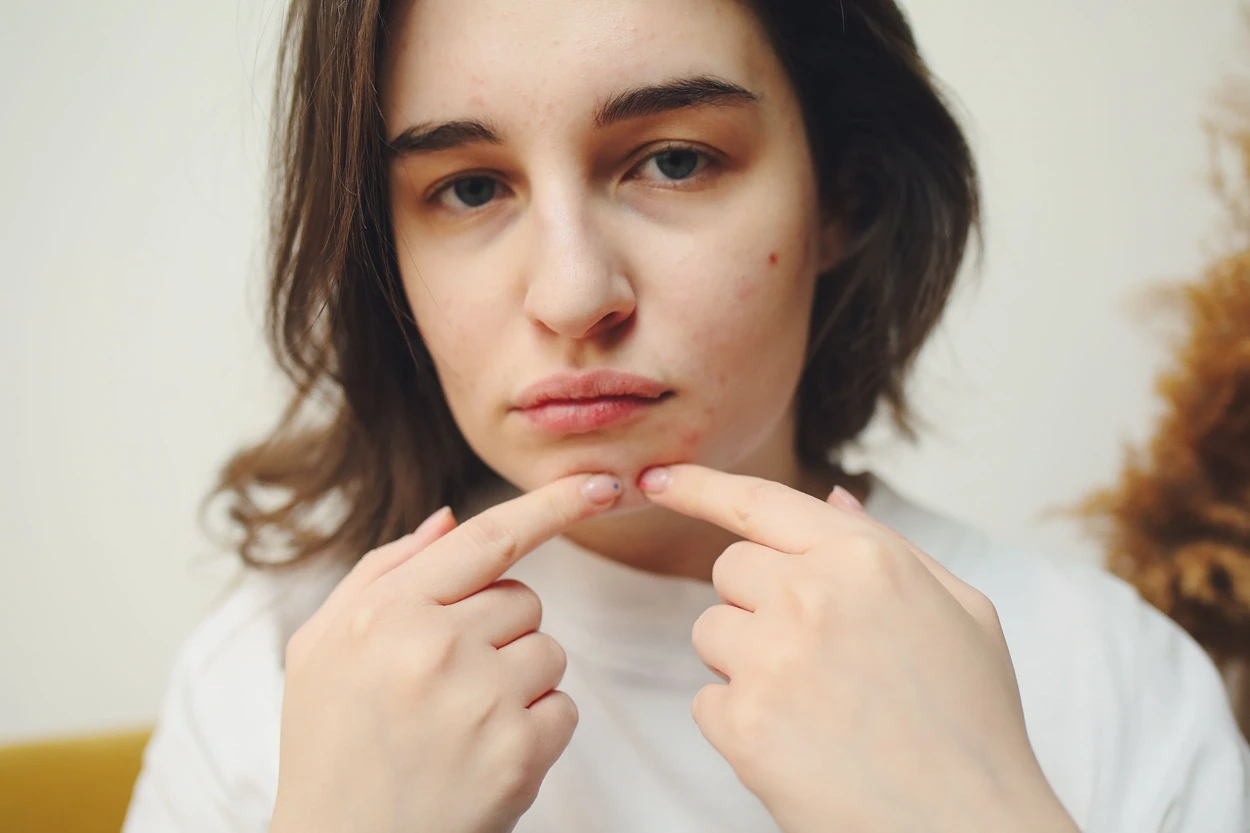


Acne may clear, yet a red, brown, or indented reminder can remain. Knowing what is the difference between acne marks and acne scars helps you choose care that fits the concern. Marks mainly involve colour. Scars change the skin's structure. This guide explains how to spot each one, what may help, and when dermatology care makes sense.
Acne marks are flat areas of colour left after a blemish heals. They may look red, pink, brown, grey, or darker than nearby skin. These post-acne marks do not change the skin's surface.
Acne scars are lasting changes in texture. They form when inflammation affects the deeper skin during wound healing. A scar may look like a pit, a wide dip, or a raised area.
Inflammation can trigger extra melanin, the pigment that gives skin its colour. This can leave a mark after the spot settles. More intense or deeper inflammation can disrupt collagen for skin. Collagen supports skin structure. If healing changes that support, a scar can form.
Marks often fade as skin regeneration continues. Their timeline varies by skin tone, sun exposure, and the depth of pigment. Scars are structural, so they usually need targeted acne scar treatment for visible skin texture improvement.
Post-inflammatory hyperpigmentation, or PIH, is a darker patch after inflammation. It may appear brown, grey, or deep brown. PIH can be more noticeable in deeper skin tones.
Post-inflammatory erythema, or PIE, is a red, pink, or purple mark. It can be more visible in lighter skin tones. Both PIH and PIE are flat. Dark spots after acne are often PIH, but colour alone does not confirm the cause.
Acne scars can sit below the skin, sit above it, or alter an area's texture. Their shape can guide the next step.
Atrophic scars are depressed scars. Icepick scars are narrow and deep. Rolling scars create broad, wave-like dips. Boxcar scars have wider edges and a more defined depression. These 'acne holes on face' reflect changes below the surface.
Hypertrophic scars are raised within the original acne area. Keloid scars are also raised and may extend beyond that area. These differ from flat marks and indented scars. A dermatologist can help identify raised scars safely.
Use this simple acne marks vs scars check in good light. First, look at colour. A red, pink, brown, or grey flat patch is more likely a mark. Next, run a clean fingertip lightly over the area. If the skin feels level, it points to a mark.
Then check texture from the side. A dip, hole, ridge, or raised patch suggests a scar. Finally, track change over time. Marks may slowly fade. Stable texture changes are more consistent with scars. This self-check cannot replace a dermatology assessment, especially for painful, spreading, or raised areas.
Insight Corner: Colour and texture need different approaches.
A pigment-only mark may respond to a consistent skincare routine and sun protection. A textured scar needs care that addresses skin structure, not colour alone.
Hyperpigmentation treatment often focuses on gentle, consistent topical care. Vitamin C, niacinamide, and AHAs are commonly used ingredients for uneven-looking tone. Each ingredient works differently, and irritation can worsen the look of marks for some people.
Keep the routine simple. Cleanse gently, use one suitable active ingredient at a time, moisturise, and apply broad-spectrum SPF during the day. SPF matters because sun exposure can make PIH appear darker. Avoid picking, scrubbing, or adding several strong actives at once.
Topical products may support overall skin care, but they cannot fully rebuild a deep scar's structure. Dermatology treatments may include microneedling or resurfacing methods. The right option depends on scar type, depth, skin tone, and current acne activity.
Is microneedling good for acne scars? It may be considered for some atrophic scars because it targets skin texture and the skin's repair process. It is not a universal option. A qualified professional should assess whether it suits your scar pattern.
See a dermatologist if scars are deep, raised, widespread, or affecting your confidence. Seek guidance if acne is still active, because controlling new breakouts helps prevent new marks and scars. Professional advice is also useful when home care causes burning or persistent irritation.
Do not squeeze or pick acne. Picking adds trauma and can prolong inflammation. Treat active breakouts early with a gentle plan that your skin tolerates. Use SPF daily to limit the darkening of post-acne marks. Support wound healing by keeping the area clean and avoiding harsh friction.
There is no reliable at-home remedy that removes acne scars naturally in a week. Scar improvement takes time, and texture changes often need professional assessment. Gentle home care may help reduce irritation and support a healthy skin barrier, but it should not promise scar removal.
Be cautious with abrasive scrubs or strong kitchen-based remedies. They can irritate skin and make pigment changes more noticeable. For acne marks, steady, gentle care is more realistic than quick fixes.
Dark spots are flat pigment changes after inflammation. Acne scars involve a physical change in skin texture or structure.
Acne that clusters around the jawline or seems linked with a monthly cycle may have a hormonal pattern. Only a clinician can assess the full cause.
Microneedling may be considered for some atrophic scars because it targets skin texture and the skin's repair process. It is not a universal option, and a qualified professional should assess whether it suits your scar pattern.
Acne can be common during the teenage years, but it can also continue or begin in adulthood. Severity differs from person to person.
Collagen is part of normal skin structure and wound healing. However, a supplement should not be viewed as a treatment that erases acne scars. Structural scars need an individual assessment.
The key difference is simple: acne marks are flat colour changes, while acne scars alter texture. Check colour, feel, and depth before choosing care. Gentle routines and SPF can support fading marks, while textured scars may need dermatology guidance. Wellbeing Nutrition focuses on Superior ingredients, highly absorbable formats, palatable flavors, with products designed to support everyday wellness rather than replace professional skin care.




Someone sent you


