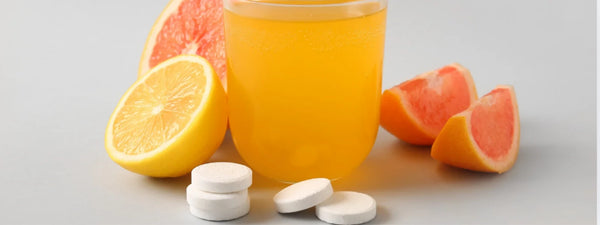
The rainy season has a reputation for making everything feel fresh. Your skin, however, might disagree.
One day your face feels greasy within an hour of cleansing. The next day your cheeks feel oddly tight. Your sunscreen starts sliding off, breakouts suddenly appear, and that healthy glow is replaced by an unwanted shine.
If you've ever wondered whether humidity is helping or hurting your skin, the answer is surprisingly both.
The biggest mistake people make with skincare for humid weather is assuming that oily skin needs stronger cleansers or that moisturizer should be skipped altogether. In reality, high humidity changes how your skin behaves at a cellular level. Understanding these changes can help you build a routine that works with your skin instead of against it.
Let's break down exactly what happens to your skin during humid weather and how to create a routine that keeps it balanced, comfortable, and glowing.
First Things First. Does Humidity Cause Skin Problems?
Yes, but not for the reasons most people think.
Humidity simply means there is more water vapor in the air. While that sounds hydrating, your skin responds differently depending on your skin type, barrier health, and environment.
The humidity effect on skin includes:
-
Increased sweat production
-
More sebum or oil secretion
-
Slower evaporation of sweat
-
Easier trapping of dirt and pollutants
-
Faster growth of acne-causing bacteria in warm, moist environments
-
Higher risk of fungal skin infections in body folds
Interestingly, people with eczema or a damaged skin barrier may experience temporary relief because humidity reduces water loss from the skin. But excessive sweating can also trigger irritation and itching.
That explains why the answer to does humidity cause skin problems is not a simple yes or no. It depends on how your skin responds.
Why Does Your Skin Feel Oilier During Monsoon?
If you're constantly blotting your face, you're not imagining it.
Research shows that sebum production naturally increases in warmer temperatures. Humidity also prevents sweat from evaporating efficiently, creating a sticky layer that mixes with oil, sunscreen, makeup, and environmental pollutants.
This combination can clog pores and contribute to common monsoon skin problems like:
-
Acne
-
Blackheads
-
Whiteheads
-
Folliculitis
-
Fungal acne
-
Dullness
This is why skincare for oily skin in humid weather should focus on balancing oil production instead of stripping it away.

Can You Have Dry Skin in Humid Weather?
Absolutely.
Many people assume humid air automatically hydrates the skin.
Not true.
People with dry skin in humid weather often cleanse too aggressively to deal with sweat and oil. Overwashing removes essential lipids from the skin barrier, leading to dehydration even when the air feels moist.
Air conditioning makes things even worse by reducing indoor humidity.
So if your skin feels tight after washing but still looks shiny by afternoon, you may actually have dehydrated skin rather than oily skin.
The Best Skincare Routine During Humid Weather
Step 1. Cleanse Without Over-Cleansing
One of the biggest monsoon skin care tips is resisting the urge to wash your face every hour.
A gentle cleanser twice daily is enough for most people.
Choose:
-
Gel cleansers for oily skin
-
Cream cleansers for dry skin
-
Fragrance-free formulas if your skin is sensitive
Over-cleansing damages the skin barrier, which can actually increase oil production.
Step 2. Don't Skip Moisturizer
This surprises many people.
Even in skin care in high humidity, moisturizer is essential.
Instead of thick creams, choose lightweight formulations containing:
-
Glycerin
-
Hyaluronic acid
-
Ceramides
-
Panthenol
These ingredients support hydration without making skin feel greasy.
Healthy skin barriers also recover faster from environmental stress.
Step 3. Wear Sunscreen Every Single Day
Clouds do not block all ultraviolet radiation.
Up to 80 percent of UV rays can penetrate cloud cover.
During skin care in hot and humid climate, choose lightweight, non-comedogenic sunscreens with SPF 30 or higher that resist sweat.
Gel or fluid formulations generally feel more comfortable during monsoon.

Step 4. Exfoliate Smartly
Dead skin cells mix with sweat and oil, increasing clogged pores.
Gentle exfoliation once or twice weekly using ingredients like salicylic acid or lactic acid can improve skin texture.
Avoid harsh scrubs that create tiny tears in the skin.
Step 5. Keep Your Skin Barrier Happy
Healthy skin is resilient skin.
Barrier-supporting ingredients include:
-
Ceramides
-
Niacinamide
-
Squalane
-
Oat extract
Think of your skin barrier as your body's raincoat. If it's damaged, everything from pollution to microbes can irritate your skin more easily.
Food Matters More Than You Think
Your skin reflects what's happening inside your body.
Instead of chasing miracle creams, support your skin with foods that provide nutrients involved in collagen production, antioxidant defense, and skin barrier function.
Here are practical additions that actually fit into daily life.
Eat Vitamin C Rich Foods Daily
Vitamin C supports normal collagen formation and helps protect cells from oxidative stress.
Easy options include:
-
Guava
-
Kiwi
-
Oranges
-
Amla
-
Bell peppers
-
Strawberries

Add Healthy Fats
Omega 3 fats help support the skin barrier.
Include:
-
Salmon
-
Sardines
-
Walnuts
-
Flaxseeds
-
Chia seeds
Don't Ignore Protein
Your skin is built from protein.
Aim to include protein at every meal.
Examples:
-
Eggs
-
Greek yogurt
-
Lentils
-
Chickpeas
-
Tofu
-
Paneer
-
Fish
Eat Colourful Vegetables
Orange, green, purple, and red vegetables provide carotenoids and polyphenols that help defend skin against oxidative stress.
Fill half your plate with colourful produce whenever possible.

Fermented Foods Can Support Skin Too
Your gut and skin constantly communicate.
Foods like yogurt, kefir, kimchi, and fermented vegetables may help support a healthier gut microbiome, which is increasingly linked to skin health through the gut skin axis.
Stay Hydrated Beyond Just Water
Sweating increases fluid and electrolyte losses.
Water is essential, but if you're sweating heavily outdoors or exercising, replenishing electrolytes can also help maintain hydration status.
Hydrated skin functions better because healthy skin cells rely on adequate water balance to maintain barrier integrity.
Where Do Collagen and Skin Supplements Fit In?
A great skincare routine starts with cleansing, moisturizing, sun protection, and nutrition.
Supplements can complement these habits but should not replace them.
Research suggests that marine collagen peptides may help support skin elasticity, hydration, and the appearance of fine lines when consumed consistently over several months.
For those following plant-based lifestyles, vegan collagen products do not contain collagen itself. Instead, they typically provide nutrients involved in the body's natural collagen production, such as vitamin C, amino acids, minerals, and botanical antioxidants.
A high quality collagen powder can be an easy addition to smoothies, coffee, or breakfast if your goal is to support long-term skin health alongside a balanced diet.
Comprehensive beauty formulations such as Skin Fuel Pro often combine collagen-supporting nutrients with antioxidants and skin-focused ingredients. Likewise, a well-formulated glutathione supplement may help support the body's antioxidant defenses, although results for skin brightness can vary between individuals and depend on overall lifestyle, sun protection, and consistency.
Remember, no supplement can outwork chronic sun exposure, poor sleep, smoking, or an unhealthy diet.

Lifestyle Habits That Make a Bigger Difference Than You Think
Your monsoon skin care routine is about more than products.
Simple daily habits can prevent many common skin concerns.
-
Change sweaty clothes promptly.
-
Wash pillowcases at least once a week.
-
Clean your phone screen regularly.
-
Avoid touching your face frequently.
-
Remove makeup completely before sleeping.
-
Get seven to nine hours of quality sleep.
-
Manage stress because stress hormones can worsen acne and inflammatory skin conditions.
The Bottom Line
The best skincare for humid weather is not about using more products. It's about using the right ones.
Cleanse gently, moisturize consistently, wear sunscreen daily, nourish your skin with protein, healthy fats, colourful fruits and vegetables, and stay hydrated.
Whether you're dealing with excess oil, dehydration, or seasonal breakouts, your skin performs best when its protective barrier stays strong.
Humidity may change your skin, but it doesn't have to control it.
Key Takeaways
-
Humidity can increase oil production without actually hydrating your skin, making both oily and dehydrated skin common during monsoon.
-
A lightweight moisturizer is essential, even if your skin feels greasy, because a healthy skin barrier helps regulate moisture and reduce irritation.
-
Daily sunscreen remains non-negotiable, as most UV rays still penetrate cloud cover during rainy weather.
-
Support your skin from within by eating enough protein, vitamin C-rich fruits, omega 3 fats, colourful vegetables, and fermented foods while staying well hydrated.
-
Collagen powder, marine collagen, vegan collagen, Skin Fuel Pro, and glutathione supplements can complement a healthy skincare routine, but they work best alongside good nutrition, sun protection, and consistent skincare habits.
Frequently Asked Questions
1. What is the best skincare for humid weather?
Use a gentle cleanser, lightweight moisturizer, broad-spectrum sunscreen, and exfoliate once or twice weekly based on your skin type.
2. How do I control oily skin in humid weather?
Avoid harsh cleansers, use gel-based moisturizers, apply non-comedogenic sunscreen, and cleanse twice daily instead of repeatedly washing your face.
3. Does humidity cause skin problems?
Humidity can contribute to acne, clogged pores, fungal infections, and irritation, especially when sweat, oil, and pollutants accumulate on the skin.
4. Can high humidity cause itchy skin?
Yes. Sweat trapped against the skin can irritate sensitive skin and may worsen conditions like eczema, heat rash, or fungal infections.
5. Why do I still have dry skin in humid weather?
Over-cleansing, air conditioning, and a weakened skin barrier can leave skin dehydrated despite humid outdoor conditions.
6. What foods are good for healthy skin during monsoon?
Protein-rich foods, vitamin C-rich fruits, omega 3 sources, colourful vegetables, fermented foods, nuts, and seeds all support skin health.
7. Is collagen powder good for skin?
Studies suggest collagen peptides may help improve skin hydration and elasticity when taken consistently as part of a balanced lifestyle.
8. Can marine collagen improve skin health?
Marine collagen provides collagen peptides that may support skin structure and elasticity, particularly when paired with adequate vitamin C intake.
9. Should I use moisturizer if my face feels oily?
Yes. Choosing a lightweight, non-comedogenic moisturizer helps maintain the skin barrier and can actually reduce dehydration-driven oiliness.
10. What is the best monsoon skin care routine?
Cleanse twice daily, moisturize, wear sunscreen every morning, exfoliate gently once or twice weekly, eat a nutrient-rich diet, stay hydrated, and keep your skin clean after sweating.

Recommended Products
 Beauty Collagen Strawberry Watermelon Flavour
₹1,939 – ₹7,196
Beauty Collagen Strawberry Watermelon Flavour
₹1,939 – ₹7,196
 Beauty Korean Marine Collagen Peptides Mango Peach Flavour
₹1,939 – ₹7,196
Beauty Korean Marine Collagen Peptides Mango Peach Flavour
₹1,939 – ₹7,196
 Glow Korean Marine Collagen Peptides with Liposomal Glutathione & Vitamin C | Tropical Bliss Flavour | 250g
₹1,939 – ₹7,196
Glow Korean Marine Collagen Peptides with Liposomal Glutathione & Vitamin C | Tropical Bliss Flavour | 250g
₹1,939 – ₹7,196
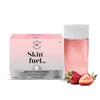 Glutathione Skin Fuel Pro+ Strawberry Flavour
₹1,044 – ₹5,803
Glutathione Skin Fuel Pro+ Strawberry Flavour
₹1,044 – ₹5,803
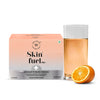 Glutathione Skin Fuel Pro+ Valencia Orange Flavour
₹879 – ₹5,275
Glutathione Skin Fuel Pro+ Valencia Orange Flavour
₹879 – ₹5,275
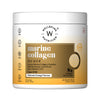 Marine Collagen - Valencia Orange
₹1,018 – ₹1,993
Marine Collagen - Valencia Orange
₹1,018 – ₹1,993
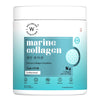 Pure Korean Marine Collagen Peptides | Unflavored | Combat Signs of Ageing
₹1,745 – ₹6,476
Pure Korean Marine Collagen Peptides | Unflavored | Combat Signs of Ageing
₹1,745 – ₹6,476
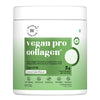 Vegan Pro Collagen Lemon Lime
₹1,745 – ₹3,418
Vegan Pro Collagen Lemon Lime
₹1,745 – ₹3,418
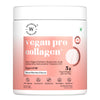 Vegan Pro Collagen Mixed Berries
₹1,745 – ₹3,418
Vegan Pro Collagen Mixed Berries
₹1,745 – ₹3,418