Essential Checklist: Top Iron Foods for Radiant Skin
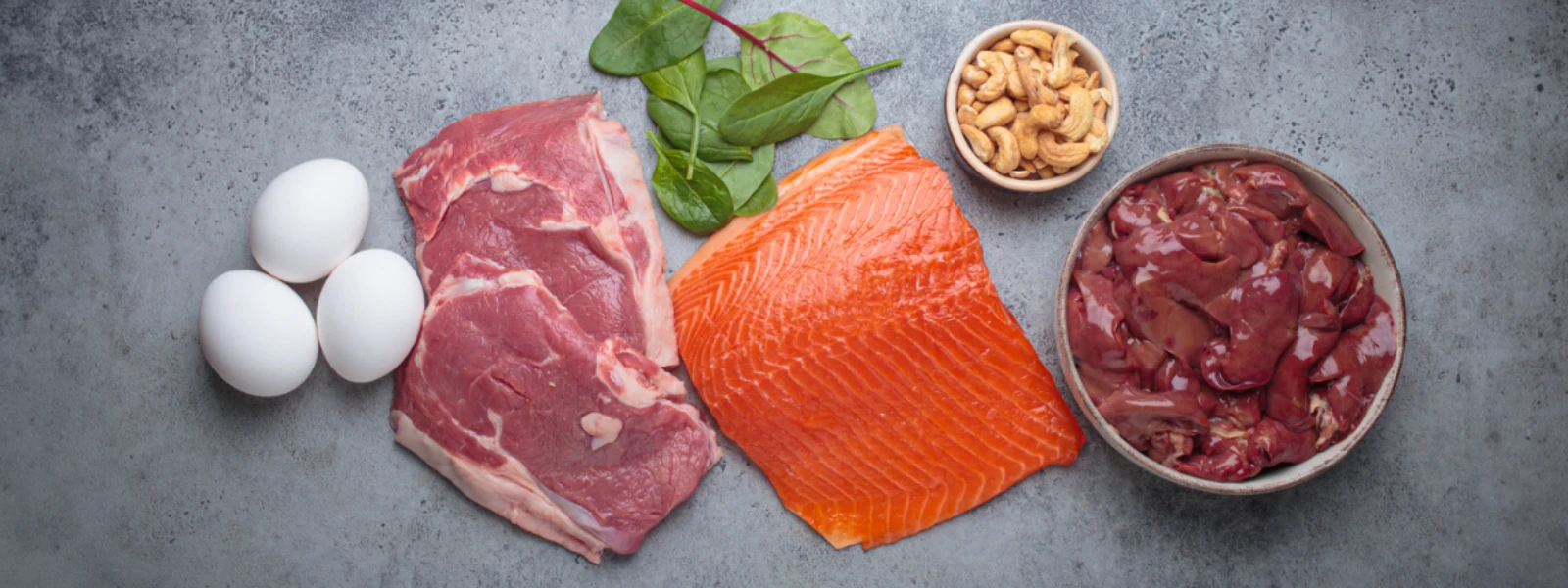


Your skin tells a story about your health, and often, that story begins with what's on your plate. While skincare routines grab attention, the real magic happens when you nourish your skin from within. Two essential minerals—iron and zinc—play starring roles in creating that coveted radiant glow, yet many people unknowingly fall short of their daily needs.
This comprehensive guide reveals the top iron and zinc food sources that can transform your complexion. You'll discover which foods pack the biggest nutritional punch, how to maximize absorption, and practical ways to incorporate these skin-loving minerals into your daily routine. By the end, you'll have a clear roadmap to eating your way to healthier, more vibrant skin.
Iron and zinc work behind the scenes as your skin's most dedicated allies. These minerals for skin health support fundamental processes that keep your complexion looking fresh and youthful.
Iron plays a crucial role in oxygen transport throughout your body, including to your skin cells. When your cells receive adequate oxygen, they function optimally, promoting healthy cell turnover and that natural glow. Iron also supports collagen synthesis, the protein responsible for skin elasticity and firmness. Without sufficient iron, your skin may appear pale, dull, or tired-looking.
Zinc benefits for skin extend beyond basic nutrition. This mineral acts as a powerful antioxidant, protecting your skin from environmental damage and supporting wound healing. Zinc helps regulate oil production, making it particularly beneficial for those dealing with acne or oily skin. It also supports the skin's barrier function, helping maintain moisture and protecting against irritants.
Deficiency in either mineral often shows up on your skin first. Iron deficiency can lead to pale, tired-looking skin, while zinc deficiency may manifest as slow wound healing, increased acne, or dry, flaky patches. Research suggests that up to 30% better iron absorption occurs when these minerals are paired with the right foods.
Not all iron rich foods are created equal. Understanding the difference between heme and non-heme iron helps you make smarter choices for your skin health.
Animal-based foods containing iron offer the most readily absorbed form. Shellfish top the list, with oysters providing about 5.5 mg of iron per 3-ounce serving. Clams and mussels follow closely, offering 13-24 mg per serving—well above your daily needs.
Red meat and poultry provide excellent iron sources. A 3-ounce serving of beef contains approximately 2.5 mg of iron, while chicken liver offers an impressive 11 mg per serving. Fish varieties like sardines, tuna, and salmon contribute 1-3 mg per serving while providing additional skin-supporting omega-3 fatty acids.
Vegetarian sources require strategic pairing for optimal absorption. Spinach leads the pack with 6.4 mg per cooked cup, while sweet potatoes provide 2.2 mg along with skin-loving beta-carotene. Legumes like lentils and chickpeas offer 3-6 mg per cup, making them excellent staples for plant-based diets.
Fortified cereals can provide 4-18 mg per serving, depending on the brand. Dark chocolate serves as a delicious bonus source, offering 2-3 mg per ounce while satisfying sweet cravings.
Zinc rich foods support skin healing and protection from the inside out. Prioritizing these sources can help address various skin concerns naturally.
Oysters reign supreme in the zinc department, providing 32-74 mg per 3-ounce serving—far exceeding the daily requirement of 8-11 mg. Other seafood options like crab and lobster offer 3-7 mg per serving.
Meat sources include beef (4-5 mg per 3 ounces) and pork (2-3 mg per serving). For those seeking plant-based options, pumpkin seeds provide 2.2 mg per ounce, while cashews offer 1.6 mg per ounce.
Plant-based foods containing zinc require careful selection to meet daily needs. Chickpeas provide 2.5 mg per cup, while black beans offer 1.9 mg per cup. Hemp seeds pack 3 mg per 3 tablespoons, making them an excellent addition to smoothies or salads.
Oatmeal contributes 1.3 mg per cup, while watermelon seeds provide 10 mg per cup when dried and roasted. These lesser-known sources can significantly boost your zinc intake.
Did You Know?
Your body absorbs only 15-35% of dietary iron, but pairing iron rich foods with Vitamin C sources can increase absorption by up to 300%. Try combining spinach with bell peppers or enjoying citrus fruits with iron-fortified cereals for maximum benefit.
Some foods naturally provide both minerals, simplifying your diet for glowing skin. These dual-benefit options maximize nutritional value while supporting comprehensive skin health.
Eggs offer moderate amounts of both minerals—1.2 mg iron and 0.6 mg zinc per large egg. The protein content also supports collagen production, making eggs a triple threat for skin health.
Quinoa provides 2.8 mg iron and 2.0 mg zinc per cooked cup, along with complete protein and fiber. This ancient grain makes an excellent base for skin-supporting meals.
Beef liver stands out with exceptional levels of both minerals—18 mg iron and 4 mg zinc per 3-ounce serving. While not everyone's favorite, small amounts can significantly boost mineral intake.
For those following a diet for glowing skin, combining legumes with nuts and seeds creates powerful mineral combinations. A meal featuring lentils, pumpkin seeds, and spinach can provide substantial amounts of both iron and zinc while offering diverse flavors and textures.
Knowing which foods for healthy skin to eat is only half the battle. Understanding absorption enhancers and inhibitors helps you get the most from your mineral-rich meals.
Vitamin C dramatically improves iron absorption from plant sources. Pairing iron and zinc sources with citrus fruits, bell peppers, strawberries, or tomatoes can triple absorption rates. Cooking in cast iron cookware also increases iron content in foods.
Timing matters for optimal uptake. Consuming iron rich foods away from calcium-rich meals, coffee, and tea prevents interference with absorption. Wait at least two hours between iron-rich meals and these inhibitors.
Unlike iron, zinc absorption improves when consumed with protein. However, high-fiber foods and calcium can reduce zinc uptake. Taking zinc-rich foods on an empty stomach maximizes absorption, though this may cause stomach upset in some people.
Soaking and sprouting legumes and grains reduces phytates, compounds that bind minerals and prevent absorption. This simple preparation step can significantly improve mineral availability from plant sources.
Creating a sustainable approach to eating iron or zinc food requires practical planning. Focus on incorporating variety rather than perfection, ensuring you enjoy the process while supporting your skin health.
Start your day with iron-fortified cereals paired with orange juice or strawberries. Include eggs or Greek yogurt for additional protein and zinc. For lunch, build salads around spinach or other dark leafy greens, adding pumpkin seeds, chickpeas, or lean meat for mineral density.
Dinner offers opportunities for creative combinations. Try quinoa bowls with roasted vegetables and hemp seeds, or enjoy lean beef with sweet potato and steamed broccoli. Snack on dark chocolate, nuts, or seeds to maintain steady mineral intake throughout the day.
Remember that consistency matters more than perfection. Aim to include at least one excellent source of each mineral daily, while gradually expanding your repertoire of mineral-rich recipes.
Chicken liver contains the highest iron content at approximately 11 mg per 3-ounce serving among commonly consumed foods. However, clams and oysters can provide even higher amounts, with some varieties offering 13-24 mg per serving. For plant-based options, fortified cereals often contain the highest iron levels, ranging from 4-18 mg per serving.
Vegetarians can meet zinc needs by combining multiple plant sources throughout the day. Focus on legumes like chickpeas and lentils, nuts and seeds especially pumpkin seeds and cashews, and whole grains like quinoa and oats. Soaking beans and grains before cooking improves zinc absorption by reducing phytates that bind minerals.
Yes, you can consume iron and zinc together, though they may compete for absorption in very large amounts. For typical dietary intake, this isn't a concern. In fact, many foods naturally contain both minerals. If taking supplements, space them apart by a few hours for optimal absorption, but whole food sources can be enjoyed together.
Skin cell turnover takes approximately 28 days, so noticeable improvements typically appear within 4-8 weeks of consistent mineral intake. However, some people report increased energy and better sleep within days, which indirectly benefits skin appearance. Severe deficiencies may take 2-3 months to fully correct through dietary changes alone.
Avoid coffee, tea, and calcium-rich foods like dairy within two hours of iron-rich meals, as these can reduce iron absorption by up to 60%. High-fiber foods and whole grains can also interfere with iron uptake when consumed simultaneously. Instead, pair iron sources with Vitamin C foods like citrus fruits, bell peppers, or tomatoes to enhance absorption.
Achieving radiant skin through nutrition centers on understanding and incorporating the right iron and zinc sources into your daily routine. From shellfish and lean meats to legumes and seeds, diverse options exist for every dietary preference. The key lies in consistent intake, smart food combinations, and patience as your skin responds to improved nutrition. By focusing on these essential minerals for skin health, you're investing in long-term skin vitality that radiates from within. Consider exploring comprehensive nutrition support to complement your mineral-rich diet and maximize your skin's natural glow potential.




Someone sent you
Powered by ReferRush


