How to Boost Your B12 Levels with These Vitamin-Rich Fruits
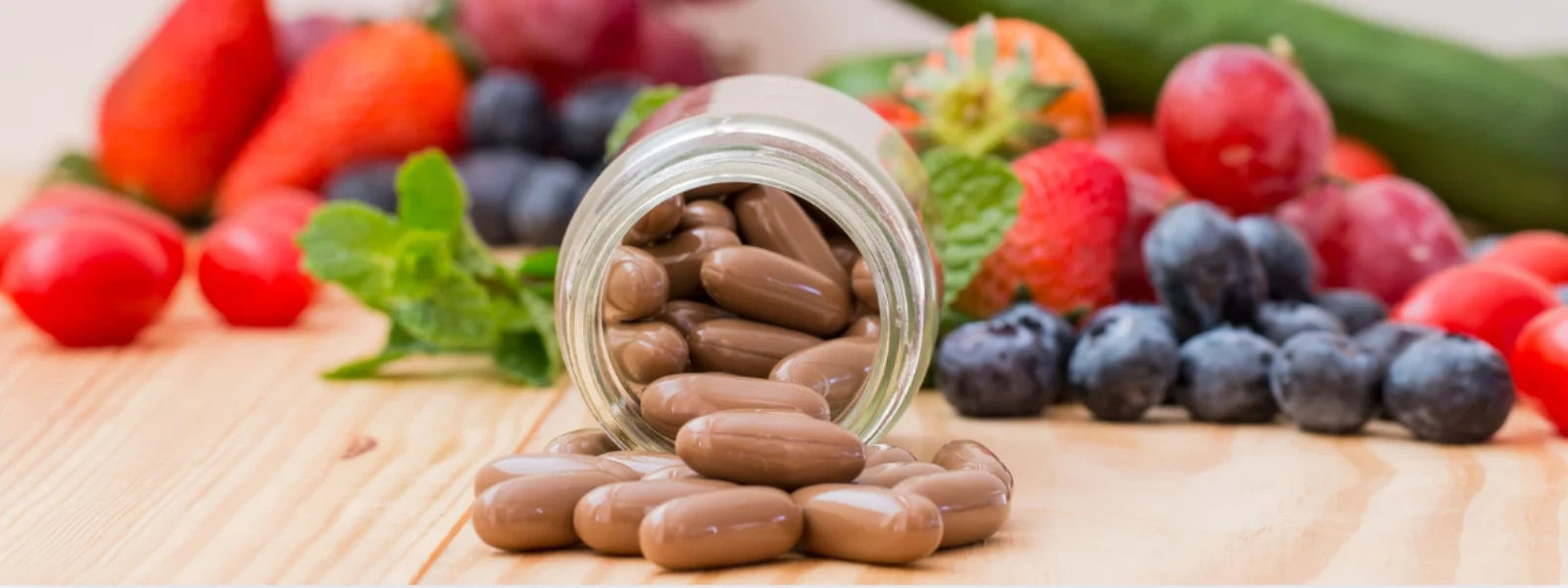


Many people search for a vitamin B12 Fruits list hoping to find natural ways to boost their B12 levels. While the idea of getting this essential vitamin from delicious, fresh fruits sounds appealing, the reality is more complex. Understanding the truth about B12 and fruits can help you make better nutritional choices and avoid common misconceptions that might leave you deficient in this crucial vitamin.
This comprehensive guide will explore the relationship between fruits and Vitamin B12, explain why fruits aren't direct sources of this vitamin, and show you how to create a balanced approach to meeting your B12 needs while still enjoying the many benefits that fruits offer for overall health.
Vitamin B12, also known as cobalamin, is a water-soluble vitamin that plays a critical role in numerous bodily functions. Unlike other vitamins, B12 has a unique structure that contains cobalt, making it the only vitamin to contain a metal element.
Your body needs Vitamin B12 for several essential processes. It helps create red blood cells, supports DNA synthesis, and maintains proper nerve function. B12 also works closely with folate to support cell division and growth throughout your body.
The vitamin is stored primarily in your liver, where it can remain for years. However, your body cannot produce B12 on its own, making dietary intake or supplementation necessary for maintaining adequate levels.
B12 deficiency can develop slowly and may not show obvious symptoms initially. Common signs include persistent fatigue, weakness, and difficulty concentrating. Some people experience tingling in their hands and feet, while others notice mood changes or memory problems.
More severe deficiency can lead to anemia, where your body cannot produce enough healthy red blood cells. This condition can cause shortness of breath, pale skin, and heart palpitations.
The search for b12 rich fruits often leads to disappointment because fruits, in their natural state, do not contain meaningful amounts of Vitamin B12. This fact surprises many people who assume that nutritious fruits would naturally provide all essential vitamins.
Vitamin B12 is primarily produced by bacteria, not plants. These bacteria live in the intestines of animals and in certain environmental conditions. Since fruits grow on plants that don't rely on these B12-producing bacteria, they naturally lack this vitamin.
The confusion often arises because fruits are excellent sources of many other vitamins, including Vitamin C, folate, and various antioxidants. However, B12 remains largely absent from the plant kingdom, with very few exceptions.
Some processed fruit products or fruit-based foods may contain B12 through fortification. Manufacturers sometimes add synthetic B12 to cereals, plant-based milk alternatives, and nutritional supplements that might have fruit flavors. However, this doesn't make the original fruit a natural source of B12.
Did You Know?
While searching for fruits high in Vitamin B12 might seem logical, the human body actually absorbs B12 most efficiently from animal products like fish, meat, and dairy. Plants simply don't have the biological machinery to produce this complex vitamin naturally.
Although fruits aren't direct sources of B12, certain best fruits for B12 support can help optimize your body's ability to absorb and utilize this vitamin when consumed alongside proper B12 sources.
Bananas provide several nutrients that support overall B vitamin metabolism. They contain Vitamin B6, which works synergistically with B12 in various metabolic processes. The potassium in bananas also supports proper nerve function, complementing B12's neurological benefits.
Additionally, bananas contain prebiotic fibers that support gut health. A healthy digestive system is crucial for optimal B12 absorption, making bananas an excellent complementary choice.
Blueberries pack powerful antioxidants that protect your cells from oxidative stress. While they don't contain B12, these antioxidants help maintain the health of your digestive system and support the absorption of all nutrients, including B12 from other sources.
The anthocyanins in blueberries also support cognitive function, working alongside B12's brain-protective benefits to maintain mental sharpness and memory.
Oranges provide abundant Vitamin C, which can indirectly support B12 absorption. Vitamin C helps maintain the health of your stomach lining and supports the production of intrinsic factor, a protein essential for B12 absorption.
The folate in oranges also works closely with B12 in DNA synthesis and red blood cell formation, making oranges excellent partners in a B12-supporting diet.
Guava stands out among vitamin B12 fruit options as a supportive choice due to its exceptional nutrient density. While it doesn't contain B12, guava provides more Vitamin C than oranges and offers significant amounts of folate.
This combination of nutrients supports the metabolic pathways where B12 functions, potentially enhancing the effectiveness of B12 from other dietary sources.
Understanding how to combine b12 boosting fruits with actual B12 sources can significantly improve your overall nutritional status. The key lies in creating meals that support optimal absorption and utilization of this vital vitamin.
Combine your favorite fruits with foods that actually contain B12. For example, enjoy berries with Greek yogurt, add banana slices to fortified cereal, or pair citrus fruits with eggs or fish. These combinations provide both the B12 your body needs and the supportive nutrients that enhance absorption.
The Vitamin C from fruits can help maintain stomach acid levels, which are necessary for releasing B12 from food proteins. This makes fruit and B12-rich food combinations particularly effective.
Consider spacing your fruit consumption throughout the day alongside B12-containing meals. This approach ensures consistent support for B12 absorption while providing steady energy from natural fruit sugars.
Morning combinations might include citrus fruits with fortified cereals, while afternoon snacks could pair berries with yogurt or cheese.
For those following vegetarian or vegan lifestyles, finding adequate natural sources of B12 requires careful planning since traditional plant foods don't provide this vitamin naturally.
Many plant-based foods are now fortified with B12, including nutritional yeast, plant-based milk alternatives, and meat substitutes. Nutritional yeast, in particular, has become popular among vegans for its cheese-like flavor and reliable B12 content.
When choosing fortified products, check labels carefully to ensure adequate B12 levels and consider these foods as primary B12 sources rather than supplements to fruit intake.
High-quality B12 supplements often provide the most reliable way to meet daily needs, especially for those avoiding animal products. Sublingual tablets, patches, and injections offer different absorption pathways for optimal results.
Consult with healthcare providers to determine the best supplementation approach based on your individual needs, dietary restrictions, and absorption capabilities.
Some fermented foods may contain small amounts of B12 produced by bacterial fermentation. However, these amounts are typically insufficient to meet daily requirements, and the bioavailability can vary significantly.
While fermented foods offer many health benefits, they should complement rather than replace reliable B12 sources in your diet.
No, fruits do not naturally contain Vitamin B12 in meaningful amounts. B12 is primarily produced by bacteria found in animal products and certain environmental conditions, not in plant tissues. While some fortified fruit products may contain added B12, fresh fruits themselves are not reliable sources of this essential vitamin.
Vegetarians can obtain B12 from dairy products, eggs, and fortified foods like nutritional yeast, plant-based milks, and cereals. Vegans should focus on fortified foods and high-quality supplements since plant foods naturally lack B12. Regular monitoring of B12 levels through blood tests helps ensure adequate intake regardless of dietary preferences.
The most effective B12 supplementation depends on individual absorption capabilities and preferences. Sublingual tablets dissolve under the tongue for direct absorption, while oral supplements work well for most people. Some individuals may need injections or nasal sprays if they have absorption issues. Consulting with healthcare providers helps determine the optimal approach.
While fruits don't contain B12, certain fruits can support its absorption and utilization. Citrus fruits provide Vitamin C that helps maintain stomach acid levels necessary for B12 release from foods. Fruits rich in folate, like oranges and strawberries, work synergistically with B12 in various metabolic processes, potentially enhancing overall B vitamin function.
Adults typically need about 2.4 micrograms of B12 daily, though requirements may increase during pregnancy, breastfeeding, or certain health conditions. Older adults may need higher amounts due to decreased absorption efficiency. Since B12 is water-soluble and excess amounts are generally excreted safely, slightly higher intakes from supplements are usually well-tolerated.
While the search for a comprehensive vitamin B12 fruits list may not yield the direct sources you hoped for, understanding the relationship between fruits and B12 opens up better nutritional strategies. Fruits remain incredibly valuable for overall health, providing essential vitamins, antioxidants, and compounds that support B12 absorption and utilization when combined with appropriate B12 sources.
The key to maintaining optimal B12 levels lies in combining nutrient-dense fruits with reliable B12 sources, whether from animal products, fortified foods, or high-quality supplements. This holistic approach ensures you benefit from both the immediate nutritional value of fruits and the long-term health support that adequate B12 provides. Consider consulting with nutrition professionals to develop a personalized approach that meets your individual needs while supporting your overall wellness journey.



