How to Choose the Best Vitamins for Hair Growth and Thickness?


Your hair tells a story about your health, and when it starts thinning or losing its thickness, it might be signaling that your body needs better nutritional support. While genetics and hormones play significant roles in hair health, the vitamins and nutrients you consume can make a remarkable difference in how your hair grows, looks, and feels. Understanding which vitamins for hair growth and thickness actually work—and how to choose the right ones for your specific needs—can transform your hair care routine from guesswork into a science-backed strategy.
This guide will walk you through the essential vitamins that support hair growth, help you understand how different nutrients work together, and provide practical advice for selecting the most effective hair growth supplements for your unique situation.
Hair growth happens in cycles, and each strand goes through phases of growth, rest, and shedding. This natural process requires a steady supply of nutrients for healthy hair to maintain its strength and thickness. When your body lacks essential vitamins, hair follicles can't function properly, leading to weaker strands, slower growth, and increased shedding.
Your hair follicles are among the most active cells in your body, which means they need consistent nutrition to keep producing strong, healthy hair. Vitamin deficiencies can disrupt this process in several ways. They can slow down cell division in hair follicles, weaken the hair shaft structure, and reduce blood flow to the scalp.
The connection between diet, supplements, and hair thickness becomes clear when you consider that hair is essentially made of protein and requires various vitamins and minerals to maintain its structure. Hair health supplements can fill nutritional gaps that might be affecting your hair's ability to grow thick and strong.
Signs that your hair might need nutritional support include increased shedding, slower growth, brittleness, lack of shine, and noticeable thinning. These symptoms often appear months after nutritional deficiencies begin, since hair reflects your body's nutritional status from several months ago.
Biotin for hair growth has gained significant attention, and for good reason. This B vitamin plays a crucial role in producing keratin, the protein that makes up your hair structure. When you have adequate biotin levels, your hair follicles can produce stronger, thicker strands.
Research shows that biotin deficiency can lead to hair thinning and loss. While true biotin deficiency is rare, many people don't get optimal amounts for hair health. The recommended dosage for hair growth typically ranges from 2,500 to 5,000 micrograms daily. Consult a healthcare provider for personalized recommendations.
Natural food sources of biotin include eggs, nuts, seeds, and leafy greens. However, achieving therapeutic levels for hair growth often requires supplementation.
Vitamin D receptors are found in hair follicles, and this vitamin plays a key role in creating new follicles and maintaining existing ones. Low vitamin D levels have been linked to various types of hair loss, including alopecia areata and female pattern baldness.
Many people have insufficient Vitamin D levels, especially those who spend limited time in sunlight or live in northern climates. While sun exposure helps your body produce Vitamin D, supplementation is often necessary to reach optimal levels for hair health.
Iron deficiency is one of the most common nutritional causes of hair loss, particularly in women. Iron helps carry oxygen to hair follicles, and without adequate levels, follicles can't function properly. This leads to increased shedding and slower growth.
The best forms of iron supplements for hair health include iron bisglycinate and iron fumarate, which are gentler on the stomach and better absorbed. Combining iron with Vitamin C can significantly improve absorption.
Vitamin A helps produce sebum, the natural oil that keeps your scalp and hair moisturized. However, balance is crucial—too little Vitamin A can lead to dry, brittle hair, while too much can actually cause hair loss.
The key is getting Vitamin A from a variety of sources and avoiding mega-doses. Beta-carotene from colorful fruits and vegetables provides a safer form of Vitamin A that your body can convert as needed.
Vitamin C serves multiple functions for hair health. It helps your body absorb iron, produces collagen that strengthens hair, and acts as an antioxidant that protects hair follicles from damage caused by free radicals.
Collagen production naturally decreases with age, making Vitamin C even more important for maintaining hair thickness and strength over time. Clinically proven marine collagen peptides that help reduce fine lines and wrinkles can also support hair structure when combined with adequate Vitamin C intake.
Zinc plays a vital role in hair tissue growth and repair. It also helps keep the oil glands around hair follicles working properly. Zinc deficiency can lead to hair loss, and in some cases, supplementation can help reverse thinning.
The recommended dosage for zinc is typically 8-11 mg daily, though higher amounts may be beneficial for hair growth under professional guidance. Signs of zinc deficiency include slow wound healing, frequent infections, and changes in taste or smell.
Did You Know?
Hair follicles are among the fastest-dividing cells in the human body, among the fastest-dividing cells. This rapid cell division requires a constant supply of nutrients, which is why nutritional deficiencies often show up in hair health before other symptoms appear.
When choosing between hair growth supplements and individual vitamins, consider your specific needs and budget. Combination hair thickness supplements can be convenient and often provide synergistic benefits when nutrients work together. However, they may not address your particular deficiencies or might include unnecessary ingredients.
Individual vitamins allow for more targeted supplementation. If you know you're deficient in iron or biotin, taking specific supplements can be more cost-effective and allow for precise dosing. This approach also helps you avoid getting too much of vitamins you don't need.
Quality markers to look for include third-party testing, proper dosages of active ingredients, and clean label certifications. Avoid products with excessive fillers, artificial colors, or unproven ingredients that add to the cost without providing benefits.
The most cost-effective approach often involves getting blood tests to identify specific deficiencies, then supplementing accordingly. This prevents waste and ensures you're addressing actual nutritional gaps rather than guessing.
Hormonal changes during menopause, postpartum periods, or due to conditions like PCOS can significantly impact hair growth. In these cases, vitamins for thinning hair should focus on supporting overall hormonal balance while providing direct hair nutrition.
B-complex vitamins, particularly B6 and B12, can help support hormone metabolism. Iron is especially important for women with heavy menstrual periods, while Vitamin D supports overall hormonal health.
Chronic stress can deplete B vitamins and magnesium, both crucial for hair health. Hair strengthening vitamins for stress-related loss should include a comprehensive B-complex and magnesium. Wellbeing Nutrition's Triple Magnesium Complex, with its three forms of magnesium in a highly concentrated form, can be particularly beneficial for managing stress-related hair issues by reducing stress, promoting sleep, and supporting cognition and muscle function.
Adaptogens like ashwagandha, while not vitamins, can complement vitamin supplementation by helping your body manage stress more effectively.
While genetics play a major role in hair loss patterns, proper nutrition can help slow the process and maximize the health of remaining hair. Focus on antioxidant vitamins like C and E, along with nutrients that support circulation like iron and B vitamins.
Realistic expectations are important—vitamins for thinning hair won't reverse genetic baldness, but they can help maintain the health and thickness of existing hair.
A diet rich in nutrients for healthy hair provides the foundation for healthy growth. Top foods include eggs for biotin and protein, leafy greens for iron and folate, fatty fish for omega-3s and Vitamin D, nuts and seeds for Vitamin E and zinc, and colorful fruits and vegetables for Vitamin C and antioxidants.
However, achieving therapeutic levels of certain vitamins through food alone can be challenging. For example, getting enough biotin for hair growth typically requires supplementation, as food sources provide relatively small amounts.
The best approach combines a nutrient-rich diet with targeted supplementation. This ensures you get a wide range of beneficial compounds from whole foods while addressing specific deficiencies with supplements.
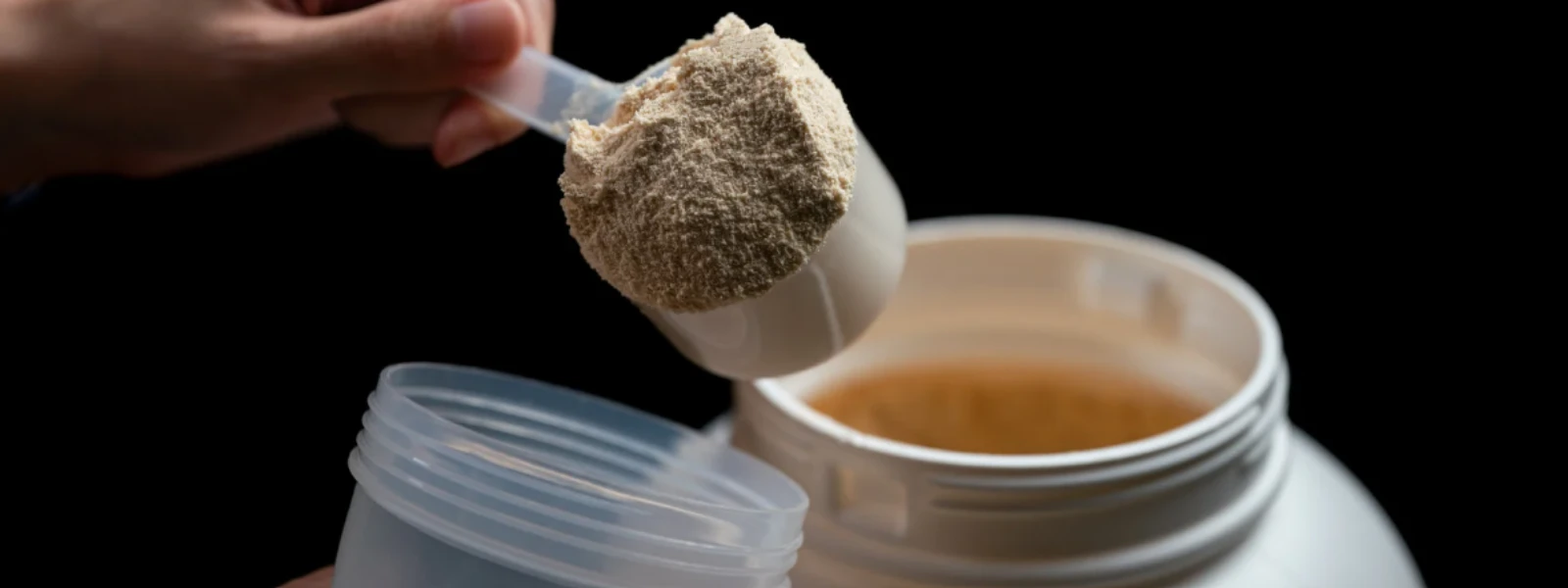
Absorption and bioavailability matter significantly. Some nutrients are better absorbed from food sources, while others are more effective in supplement form. A gut-friendly, high-absorption Whey Protein that helps you absorb more protein in your body, leading to better results can support overall nutrient absorption and provide amino acids necessary for hair protein synthesis.
While hair loss vitamins are generally safe, it's important to follow recommended dosages and be aware of potential interactions. Fat-soluble vitamins (A, D, E, K) can accumulate in your body and cause toxicity if taken in excessive amounts.
Some people may experience digestive upset from iron supplements, while high doses of biotin can interfere with certain lab tests. Always inform your healthcare provider about supplements you're taking, especially before medical tests.
Certain medications can interact with vitamins. Blood thinners may interact with Vitamin E, while some antibiotics can be affected by iron and zinc supplements. Timing your supplements appropriately can help avoid these interactions.
Monitor your progress and be patient—hair growth is slow, and it typically takes 3-6 months to see significant improvements. If you don't see results after six months of consistent supplementation, consult with a healthcare provider or dermatologist.
Biotin is often considered the most effective single vitamin for hair growth because it directly supports keratin production, which is essential for hair structure and strength. However, hair health typically requires multiple nutrients working together for optimal results.
Most people begin to notice improvements in hair texture and reduced shedding within 2-3 months of consistent supplementation. Significant changes in hair thickness and growth rate typically become visible after 4-6 months, as this reflects the time needed for new, healthier hair to grow.
Yes, taking excessive amounts of certain vitamins can be harmful and may actually worsen hair loss. Fat-soluble vitamins like Vitamin A can be toxic in high doses, while too much zinc can interfere with copper absorption. Always follow recommended dosages.
Price doesn't necessarily indicate quality or effectiveness. Look for supplements with clinically proven ingredients, third-party testing, and appropriate dosages rather than focusing on cost. Sometimes simple, single-ingredient supplements work better than expensive complex formulas.
Blood tests can be very helpful for identifying specific deficiencies like iron, Vitamin D, or B12. This allows for targeted supplementation rather than taking a broad-spectrum approach, which can be more effective and cost-efficient.
Choosing the best vitamins for hair growth and thickness requires understanding your individual needs, potential deficiencies, and hair concerns. While biotin, Vitamin D, iron, and other essential nutrients play crucial roles in hair health, the most effective approach often involves a combination of targeted supplementation and a nutrient-rich diet. Remember that patience is key—hair growth takes time, and consistent supplementation over several months is necessary to see meaningful results. Consider getting blood tests to identify specific deficiencies, choose high-quality supplements from reputable sources, and consult with healthcare providers when needed. With the right nutritional support, you can optimize your hair's natural growth potential and maintain healthier, thicker hair over time.


Someone sent you
Powered by ReferRush


