How to Find Natural Sources of Retinol for Skin?
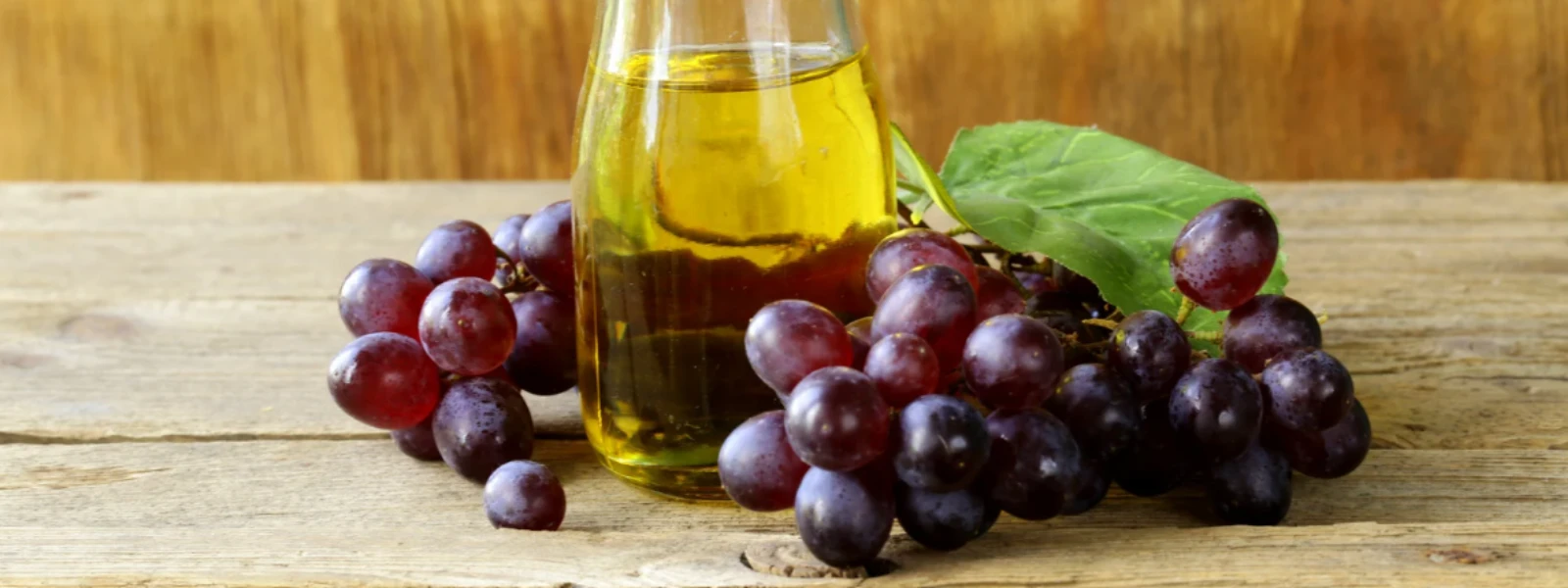


Your skin deserves the best nature has to offer. While synthetic retinol has dominated skincare conversations, many people are discovering that natural sources of retinol for skin can deliver remarkable anti-aging benefits without harsh side effects. Whether you're dealing with sensitive skin, pregnancy concerns, or simply prefer plant-based solutions, understanding natural alternatives opens up a world of gentle yet effective skincare possibilities.
This comprehensive guide will walk you through proven natural sources that provide retinol-like effects, from ancient Ayurvedic botanicals to vitamin A-rich foods that nourish your skin from within. You'll learn how to identify quality natural ingredients, create effective routines, and achieve healthier, more youthful-looking skin using nature's own anti-aging arsenal.
Natural retinol sources work differently than their synthetic counterparts, yet they can deliver impressive results for skin renewal and anti-aging. While synthetic retinol directly converts to retinoic acid in your skin, natural alternatives like plant-based retinol alternatives provide similar benefits through different pathways.
The science behind retinol-like effects from botanicals involves stimulating collagen production, accelerating cell turnover, and providing antioxidant protection. These natural skin firming ingredients often come with additional benefits like anti-inflammatory properties and essential fatty acids that support overall skin health.
Natural alternatives are particularly beneficial for people with sensitive skin, those who are pregnant or breastfeeding, and anyone seeking gentler skincare options. Unlike synthetic retinol, which can cause irritation, dryness, and photosensitivity, natural sources typically offer a more gradual and comfortable experience while still delivering visible improvements in skin texture and appearance.
Bakuchiol stands out as the most researched and effective vegan retinol source available today. Derived from the Psoralea corylifolia plant, this Ayurvedic ingredient has been used for centuries in traditional medicine and is now backed by modern clinical studies.
Research published in dermatological journals shows that bakuchiol provides retinol-like benefits including improved skin elasticity, reduced fine lines, and enhanced collagen production. Unlike synthetic retinol, bakuchiol doesn't cause photosensitivity, making it safe for daytime use and suitable for all skin types.
To incorporate bakuchiol into your routine, look for serums containing 0.5% to 2% concentration. Apply it twice daily after cleansing and before moisturizer. Many users notice improvements in skin firmness and texture within 4-6 weeks of consistent use.
Rosehip oil naturally contains trans-retinoic acid, the active form of vitamin A that your skin can readily use. This golden oil is extracted from the seeds of wild rose bushes and provides gentle yet effective anti-aging benefits.
Rich in essential fatty acids and vitamin C, rosehip oil helps fade dark spots, reduce the appearance of scars, and smooth fine lines. Its lightweight texture absorbs quickly without leaving a greasy residue, making it suitable for all skin types including acne-prone skin.
Choose cold-pressed, organic rosehip oil for maximum potency. Apply 2-3 drops to clean skin in the evening, gently massaging until absorbed. You can use it alone or mix it with your regular moisturizer for added hydration.
Sea buckthorn oil contains high levels of vitamin A, C, and E, creating a powerful combination for skin renewal. This bright orange oil promotes healing, reduces inflammation, and supports natural collagen production.
Carrot seed oil is another excellent option among herbal retinol substitutes. Rich in beta-carotene and vitamin A, it helps rejuvenate mature skin and provides natural sun protection. Green tea extract and rosemary extract also offer complementary benefits, providing antioxidant protection and supporting skin cell regeneration.
Did You Know?
Bakuchiol has been clinically proven to help increase collagen production by up to 18% after 12 weeks of use, making it as effective as synthetic retinol for improving skin elasticity and reducing signs of aging.
When it comes to foods high in vitamin A for skin, animal sources provide preformed retinol that your body can use immediately. Beef liver tops the list, containing over 700% of your daily vitamin A needs in just 3 ounces. Chicken liver offers similar benefits with a milder taste.
Egg yolks from pasture-raised chickens provide easily absorbed retinol along with other skin-supporting nutrients like biotin and healthy fats. Full-fat dairy products including butter, whole milk, and cheese contribute moderate amounts of vitamin A while providing calcium and protein.
Fatty fish like salmon, mackerel, and sardines offer vitamin A plus omega-3 fatty acids that support skin barrier function and reduce inflammation. These fish also provide vitamin D, which works synergistically with vitamin A for optimal skin health.
Plant sources provide provitamin A carotenoids that your body converts to active retinol as needed. Sweet potatoes are exceptionally rich in beta-carotene, with one medium sweet potato providing over 400% of your daily vitamin A needs.
Carrots, pumpkin, and butternut squash offer similar benefits and can be easily incorporated into meals. Leafy greens like spinach and kale provide carotenoids along with folate and vitamin K, which support skin cell regeneration.
Colorful fruits including mangoes, cantaloupe, and red bell peppers add variety while delivering skin-nourishing carotenoids. The conversion rate from carotenoids to active vitamin A varies among individuals, but consuming a variety of these foods ensures adequate intake for healthy skin.
Natural anti-aging ingredients work best when combined strategically. Vitamin C from sources like kakadu plum, acerola cherry, or rosehip enhances vitamin A absorption and provides additional collagen support. These ingredients work synergistically to brighten skin and reduce hyperpigmentation.
Plant-based hyaluronic acid alternatives like tremella mushroom extract and aloe vera provide deep hydration that helps vitamin A penetrate more effectively. Natural exfoliants such as fruit enzymes from papaya and pineapple gently remove dead skin cells, allowing better absorption of retinol-like compounds.
Morning routines should focus on protection and hydration. Apply vitamin C serum followed by a natural moisturizer containing ingredients like jojoba oil or squalane. Always finish with broad-spectrum sunscreen, as vitamin A can increase photosensitivity even from natural sources.
Evening routines are ideal for retinol-like ingredients. Start with gentle cleansing, apply your chosen natural retinol alternative, and follow with a nourishing night moisturizer. Allow each product to absorb fully before applying the next layer.
Consistency is key when using natural ingredients. While synthetic retinol may show results in 2-4 weeks, natural alternatives typically require 6-12 weeks of regular use to demonstrate significant improvements in skin texture and appearance.
Even natural ingredients can cause sensitivity in some individuals. Always perform a patch test by applying a small amount of the product to your inner forearm and waiting 24-48 hours to check for reactions.
Start with lower concentrations and gradually increase frequency of use. Begin by applying natural retinol alternatives every other night, then progress to nightly use as your skin adapts. Signs of normal adjustment include mild tingling or slight dryness, while persistent redness, burning, or peeling indicate sensitivity.
Choose organic sources when possible to avoid pesticide residues and ensure maximum nutrient content. Cold-pressed oils retain more beneficial compounds than heat-processed alternatives. Look for dark glass bottles that protect light-sensitive ingredients from degradation.
Store natural oils in cool, dark places and use them within their recommended timeframes. Most natural retinol sources have shorter shelf lives than synthetic products, typically lasting 6-12 months when properly stored.
You can get natural retinol through vitamin A-rich foods like liver, egg yolks, and colorful vegetables, or use plant-based alternatives like bakuchiol and rosehip oil that provide similar skin benefits.
Beef liver contains the highest concentration of preformed vitamin A, with 3 ounces providing over 700% of your daily value.
Bakuchiol is considered the most powerful natural retinol alternative, offering similar anti-aging benefits to synthetic retinol but with better tolerance for sensitive skin.
Yes, natural sources like bakuchiol and rosehip oil have been clinically shown to reduce fine lines and improve skin texture, though results may take longer than synthetic retinol.
Many natural alternatives like bakuchiol are considered pregnancy-safe, but always consult your healthcare provider before starting any new skincare regimen during pregnancy.
Natural sources of retinol for skin offer a gentle yet effective path to healthier, more youthful-looking skin. From bakuchiol's clinically proven benefits to the nourishing properties of rosehip oil and vitamin A-rich foods, nature provides numerous alternatives to synthetic retinol. By understanding how to choose quality ingredients, build effective routines, and use these natural alternatives safely, you can achieve remarkable anti-aging results while supporting your skin's overall health. Whether you're seeking plant-based options for ethical reasons, dealing with sensitive skin, or simply prefer natural approaches to skincare, these botanical alternatives demonstrate that effective anti-aging doesn't require harsh synthetic ingredients.




Someone sent you
Powered by ReferRush


