Getting Enough Vitamin B as a Vegetarian
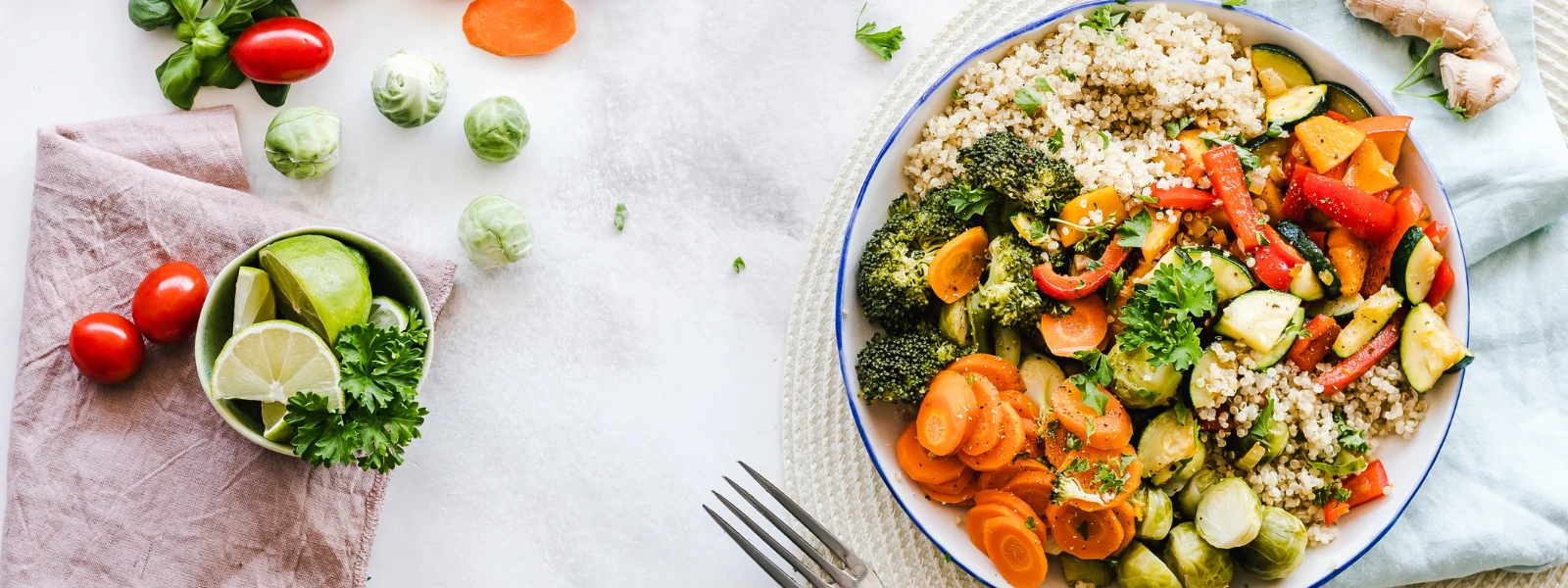


Getting enough B vitamins as a vegetarian requires careful planning and knowledge of the right food sources. While plant-based diets offer numerous health benefits, they can present unique challenges when it comes to obtaining adequate amounts of all B vitamins, particularly Vitamin B12. This comprehensive guide will help you navigate the world of vegetarian B vitamin nutrition, ensuring you get all the essential nutrients your body needs for optimal health, energy, and even skin vitality.
The B vitamin family consists of eight essential nutrients that play crucial roles in your body's metabolism, energy production, and cellular function. These include thiamine (B1), riboflavin (B2), niacin (B3), pantothenic acid (B5), pyridoxine (B6), biotin (B7), folate (B9), and cobalamin (B12).
Vegetarians face specific challenges because many B vitamins are primarily found in animal products. Vitamin B12, in particular, is almost exclusively present in animal-derived foods, making it the most critical concern for those following plant-based diets. However, other B vitamins can also be harder to obtain in adequate amounts without careful meal planning.
B vitamins play a significant role in maintaining healthy skin. Biotin supports skin cell regeneration, while niacin helps improve skin texture and reduces inflammation. Riboflavin contributes to collagen production, which is essential for skin elasticity and reducing signs of aging. For vegetarians concerned about skin health, ensuring adequate B vitamin intake becomes even more important.
Fortunately, many vegetarian foods are excellent sources of various B vitamins. Understanding which foods contain which vitamins helps you create a balanced diet that meets your nutritional needs.
Dairy products are among the best vegetarian sources of multiple B vitamins. Milk contains significant amounts of riboflavin, Vitamin B12, and pantothenic acid. Greek yogurt is particularly rich in Vitamin B12 and riboflavin, while cheese provides substantial amounts of Vitamin B12 and niacin. Paneer, a popular cottage cheese in Indian cuisine, offers excellent protein along with B vitamins.
Eggs are nutritional powerhouses that contain all B vitamins except folate in significant amounts. They're particularly rich in biotin, choline, and Vitamin B12. Two large eggs can provide nearly half of your daily biotin needs and about 20% of your Vitamin B12 requirements.
Many vegetarian foods are fortified with B vitamins, making them excellent options for meeting your daily requirements. Fortified breakfast cereals often contain the full spectrum of B vitamins, including Vitamin B12. Nutritional yeast, a favorite among vegetarians and vegans, is naturally rich in B vitamins and often fortified with additional B12.
Did You Know?
Just two tablespoons of nutritional yeast can provide over 100% of your daily Vitamin B12 needs, making it one of the most concentrated plant-based sources of this essential nutrient.
Several plant foods are naturally rich in B vitamins. Mushrooms, particularly shiitake and portobello varieties, contain riboflavin and niacin. Avocados are excellent sources of folate, pantothenic acid, and Vitamin B6. Legumes like lentils, chickpeas, and black beans provide substantial amounts of folate, thiamine, and Vitamin B6.
Vitamin B12 deserves special attention because deficiency can lead to serious health consequences, including anemia, neurological problems, and fatigue. Since B12 is primarily found in animal products, vegetarians must be particularly vigilant about their intake.
Vitamin b12 deficiency develops slowly and can go unnoticed for years. Early symptoms include fatigue, weakness, and difficulty concentrating. More severe deficiency can cause numbness in hands and feet, balance problems, and cognitive issues. Regular blood tests can help monitor your B12 levels.
For vegetarians who consume dairy and eggs, these foods provide reliable B12 sources. A cup of milk contains about 1.2 micrograms of B12, while one large egg provides approximately 0.6 micrograms. However, since the recommended daily intake is 2.4 micrograms for adults, you'll need multiple servings or additional sources.
Fortified foods become crucial for adequate B12 intake. Many plant-based milk alternatives, breakfast cereals, and nutritional yeast are fortified with B12. Always check labels to confirm fortification levels and choose products that provide substantial amounts.
Creating a diverse diet that includes various B vitamin sources ensures you're getting adequate amounts of all eight B vitamins. Here's a breakdown of excellent vegetarian options for each vitamin:
Whole grains, sunflower seeds, and legumes are excellent thiamine sources. Brown rice, quinoa, and fortified cereals provide substantial amounts. Tahini and sesame seeds also contribute significant thiamine to your diet.
Dairy products lead the way for riboflavin, with milk and yogurt being top sources. Almonds, mushrooms, and leafy greens like spinach also provide good amounts. Fortified cereals can significantly boost your riboflavin intake.
Mushrooms, particularly portobello and crimini varieties, are excellent niacin sources. Peanuts, sunflower seeds, and fortified grains also contribute substantial amounts. Green peas and avocados provide moderate amounts of niacin.
Dark leafy greens are folate champions, with spinach, romaine lettuce, and kale leading the way. Legumes like lentils and chickpeas provide excellent folate content. Asparagus, broccoli, and fortified grains round out the top sources.
While food sources should be your primary focus, supplements can help fill nutritional gaps, especially for hard-to-obtain nutrients like Vitamin B12. Understanding supplement options helps you make informed decisions about your nutritional strategy.
B complex supplements contain all eight B vitamins in balanced proportions. Look for supplements that use natural forms of vitamins rather than synthetic alternatives when possible. Methylcobalamin is often preferred over cyanocobalamin for Vitamin B12 supplementation.
When selecting supplements, check for third-party testing and quality certifications. Avoid products with unnecessary fillers, artificial colors, or excessive amounts that far exceed daily requirements. The percentage daily value (%DV) on labels helps you understand how much of each vitamin you're getting.
Getting B vitamins into your system is only half the battle; your body needs to absorb and utilize them effectively. Several strategies can enhance B vitamin absorption and bioavailability.
Combining foods can enhance B vitamin absorption. Vitamin C from citrus fruits, berries, or bell peppers can improve the absorption of certain B vitamins. Consuming healthy fats with fat-soluble nutrients and B vitamins together can also enhance absorption.
B vitamins are water-soluble and heat-sensitive, making proper cooking techniques crucial for retention. Steaming vegetables preserves more B vitamins than boiling. When you do boil vegetables, use the cooking water in soups or stews to capture leached nutrients. Quick cooking methods like stir-frying help preserve heat-sensitive vitamins.
Several lifestyle factors can impact B vitamin absorption. Excessive alcohol consumption depletes B vitamins, particularly thiamine and folate. Stress increases B vitamin needs, especially B5 and B6. Certain medications can interfere with B vitamin absorption, so discuss supplementation with your healthcare provider if you take prescription medications.
Dairy products like milk, yogurt, and cheese are among the highest vegetarian sources of B vitamins, particularly B12 and riboflavin. Eggs provide excellent amounts of biotin and B12. Fortified nutritional yeast is exceptionally high in B vitamins, especially B12. Legumes, whole grains, and leafy greens also provide substantial amounts of various B vitamins.
Yes, vegetarians can obtain adequate B12 through dairy products, eggs, and fortified foods. However, it requires careful planning and often supplementation. Those who consume dairy and eggs regularly have an advantage over vegans, but many vegetarians still benefit from B12 supplements or fortified foods to ensure adequate intake.
Supplementation needs vary based on individual dietary intake and absorption. For B12, many experts recommend 250-500 micrograms daily for vegetarians, though some may need higher amounts. A balanced B complex supplement can help ensure adequate intake of all B vitamins. Always consult with a healthcare provider to determine your specific needs based on blood tests and dietary assessment.
Avocados are the best fruit source of B vitamins, particularly folate, B6, and pantothenic acid. Bananas provide good amounts of B6, while citrus fruits offer moderate amounts of folate. However, fruits generally aren't the richest sources of B vitamins compared to other food groups like dairy, eggs, and fortified foods.
Yes, adequate B vitamin intake supports healthy skin through various mechanisms. Biotin helps maintain skin cell structure, niacin improves skin texture and reduces inflammation, and riboflavin supports collagen production. B vitamin deficiencies can manifest as skin problems, so ensuring adequate intake is important for maintaining healthy, vibrant skin.
Meeting your B vitamin needs as a vegetarian is entirely achievable with proper knowledge and planning. By incorporating a variety of dairy products, eggs, fortified foods, and nutrient-dense plant sources into your diet, you can obtain all the B vitamins your body needs for optimal health and vitality. Remember that Vitamin B12 requires special attention, and supplementation may be beneficial even for vegetarians who consume animal products. Regular monitoring through blood tests can help ensure you're meeting your nutritional needs and maintaining optimal health on your vegetarian journey.




Someone sent you
Powered by ReferRush


