How to Get Strong Hair, Skin, and Nails with Vitamins
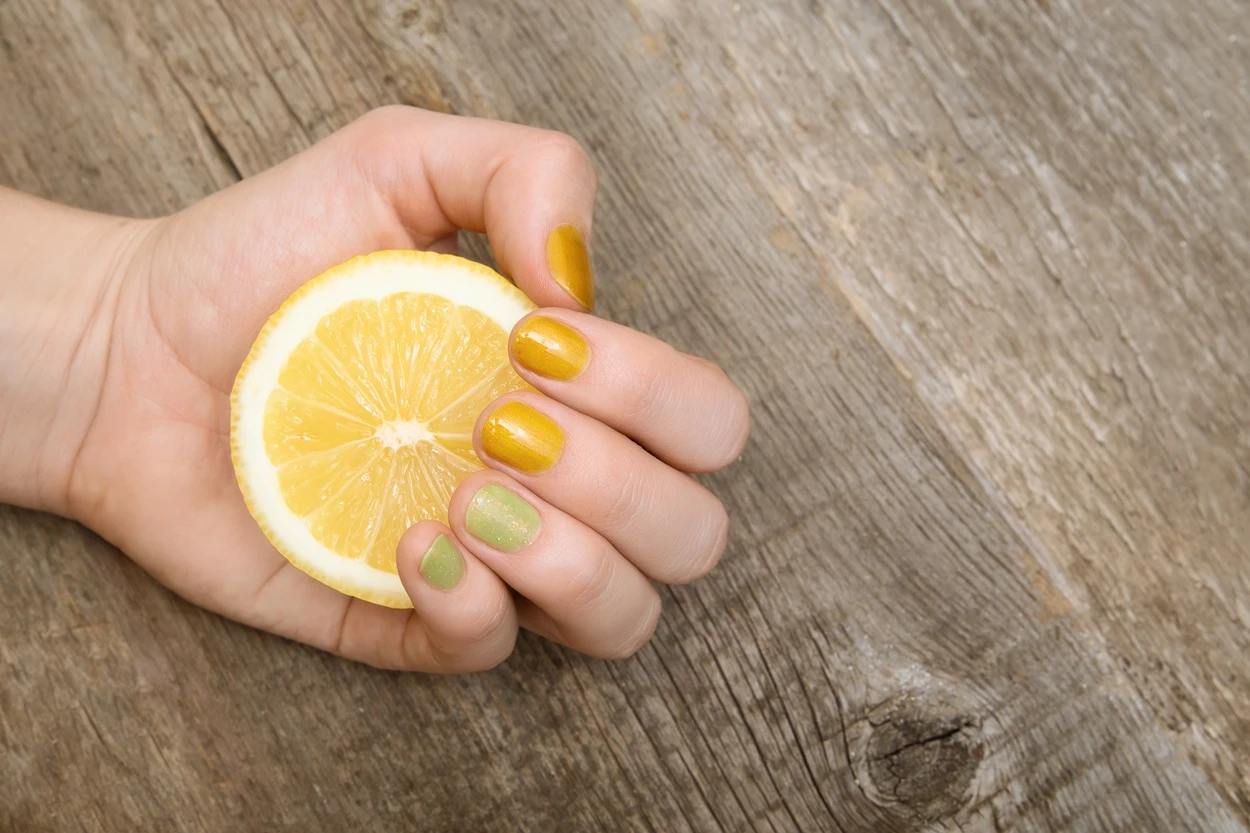


Your hair, skin, and nails serve as visible indicators of your overall health. When these structures appear dull, brittle, or lackluster, it often signals that your body needs better nutritional support. Understanding how specific vitamins work to strengthen these interconnected systems can help you make informed choices about your beauty and wellness routine.
This comprehensive guide explores the science behind hair skin and nails nutrition, revealing which vitamins truly make a difference and how to use them effectively. You'll discover evidence-based strategies for achieving stronger hair, healthier skin, and more resilient nails through targeted vitamin supplementation and dietary choices.
Your hair, skin, and nails form part of your integumentary system - your body's largest organ system. These structures share similar building blocks, primarily proteins like keratin and collagen, which explains why they often respond together to nutritional interventions.
Keratin provides structural strength to hair and nails, while collagen gives skin its elasticity and firmness. When your body lacks the vitamins and minerals needed to produce these proteins efficiently, all three areas can show signs of weakness simultaneously.
Your body prioritizes essential functions over cosmetic ones. When nutrients are scarce, your system directs resources to vital organs first. This means hair health, skin care, and nail growth often suffer before you notice other symptoms of deficiency.
Common signs include brittle nails that break easily, hair that lacks shine or grows slowly, and skin that appears dull or heals poorly from minor cuts. These visible changes often appear weeks or months before more serious health issues develop.
Strong, healthy hair requires a complex network of nutrients working together. Several vitamins play particularly important roles in maintaining hair structure and promoting growth.
Biotin, also known as Vitamin B7, supports the production of keratin - the primary protein in hair. Research shows that biotin deficiency can lead to hair thinning and breakage, while adequate levels help maintain hair strength and thickness.
Most adults need about 30 micrograms of biotin daily. While severe deficiency is rare, mild insufficiency can affect hair quality. Foods like eggs, nuts, and seeds provide natural biotin, but supplements ensure consistent intake.
Vitamin D receptors exist in hair follicles, suggesting this vitamin plays a direct role in hair growth cycles. Low Vitamin D levels have been linked to various forms of hair loss, including pattern baldness and alopecia areata.
Your skin produces Vitamin D when exposed to sunlight, but many people don't get enough sun exposure year-round. Supplementation can help maintain optimal levels for hair follicle health.
Did You Know?
Hair grows in cycles, with each strand spending 2-7 years in the active growth phase. Nutritional support during this time determines the strength and quality of each hair strand throughout its entire lifespan.
Iron carries oxygen to hair follicles, while zinc supports protein synthesis and cell division. Both minerals are crucial for healthy hair growth, and deficiencies in either can cause hair thinning or slow growth.
Women are particularly susceptible to iron deficiency due to menstrual losses. Zinc deficiency, while less common, can occur with poor dietary choices or certain medical conditions.
Your skin constantly renews itself, replacing old cells with new ones approximately every 28 days. This process requires steady supplies of specific vitamins to maintain optimal function.
Vitamin C serves as a cofactor in collagen production, making it essential for maintaining skin structure and elasticity. This vitamin also provides antioxidant protection against environmental damage from pollution and UV radiation.
Unlike many animals, humans cannot produce Vitamin C internally, making dietary intake crucial. Fresh fruits and vegetables provide natural sources, while supplements ensure consistent levels for optimal skin health.
Vitamin A regulates cell turnover, helping your skin shed old cells and generate new ones efficiently. This process keeps skin looking fresh and can help reduce the appearance of fine lines and uneven texture.
Both dietary sources like sweet potatoes and leafy greens, and topical retinoid products can support healthy Vitamin A levels. However, balance is important - too much Vitamin A can cause skin irritation.
Vitamin E protects skin cell membranes from oxidative damage while supporting the skin's natural barrier function. This vitamin works synergistically with Vitamin C to provide comprehensive antioxidant protection.
Nuts, seeds, and vegetable oils contain natural Vitamin E, but supplements can help ensure adequate intake for optimal skin protection.
Healthy nails grow continuously, with fingernails completely replacing themselves every 3-6 months. This constant growth requires steady nutritional support to maintain strength and prevent brittleness.
Clinical studies demonstrate that biotin supplementation can increase nail thickness by up to 25% in people with brittle nails. This improvement typically becomes noticeable after 6-9 months of consistent supplementation.
Biotin works by supporting the cross-linking of keratin fibers in nails, creating a stronger, more resilient structure that resists breaking and splitting.
Nails consist primarily of keratin, a protein made from amino acids. Adequate protein intake ensures your body has the raw materials needed for nail growth and strength.
Complete proteins from sources like fish, poultry, and legumes provide all essential amino acids. For those following plant-based diets, combining different protein sources throughout the day ensures adequate amino acid intake.
The supplement market offers numerous options for supporting hair skin and nails health. Understanding key factors can help you select products that deliver real results.
Comprehensive beauty supplements combine multiple nutrients in one product, offering convenience and potentially better nutrient interactions. Targeted formulas focus on specific concerns but may require multiple products for complete support.
Look for formulas that include biotin, Vitamins C, D, and E, plus minerals like iron, zinc, and silica. Avoid products with excessive amounts of any single nutrient, as balance is crucial for optimal results.
Third-party testing ensures supplement purity and potency. Look for certifications from organizations like NSF International or USP, which verify that products contain what their labels claim.
Some nutrients absorb better when taken with food, while others work best on an empty stomach. Follow manufacturer recommendations for timing to maximize effectiveness.
While supplements provide concentrated nutrients, whole foods offer additional benefits like fiber, antioxidants, and other compounds that support overall health.
A healthy skin diet rich in colorful fruits and vegetables, lean proteins, and healthy fats provides many nutrients needed for hair, skin, and nail health. Foods like salmon, avocados, berries, and leafy greens offer multiple beauty-supporting compounds.
However, modern farming practices and food processing can reduce nutrient density in some foods. Supplements can help bridge gaps in your diet, especially for nutrients that are difficult to obtain in adequate amounts from food alone.
Adequate water intake supports nutrient transport to hair follicles, skin cells, and nail beds. Aim for at least 8 glasses of water daily, more if you're active or live in a dry climate.
Sleep, stress management, and regular exercise also influence how effectively your body uses nutrients for hair, skin, and nail health. These lifestyle factors work synergistically with proper nutrition to optimize results.
Clinical studies support the effectiveness of specific vitamins for hair, skin, and nail health. Biotin, for example, has been shown to improve nail thickness and reduce brittleness in multiple trials. However, results vary among individuals based on factors like baseline nutrient status, genetics, and overall health. Most people see improvements within 3-6 months of consistent supplementation when combined with a balanced diet.
The most effective approach combines proper nutrition, adequate hydration, stress management, and targeted supplementation. Focus on a diet rich in protein, healthy fats, and colorful fruits and vegetables. Supplement with key nutrients like biotin, Vitamin C, and Vitamin D if your diet falls short. Consistency is crucial - sporadic supplementation won't deliver optimal results.
Timeline varies by area: skin improvements may appear within 4-8 weeks, nail changes become noticeable after 3-4 months, and hair improvements typically take 3-6 months due to longer growth cycles. Factors like age, overall health, and severity of deficiencies influence how quickly you'll see changes. Patience and consistency are essential for achieving lasting results.
Most vitamins for hair, skin, and nails are well-tolerated when taken as directed. However, excessive amounts of certain nutrients can cause problems. Too much Vitamin A can lead to skin irritation, while excess biotin may interfere with certain lab tests. Always follow dosage recommendations and consult healthcare providers if you take medications or have health conditions.
Yes, fat-soluble vitamins like A, D, and E can accumulate in your body and cause toxicity if taken in excessive amounts. Water-soluble vitamins like biotin and Vitamin C are generally safer because excess amounts are excreted in urine. However, very high doses can still cause side effects. Stick to recommended dosages and consider periodic breaks from supplementation to prevent accumulation.
Achieving strong hair, healthy skin, and resilient nails requires a comprehensive approach that combines proper nutrition, targeted supplementation, and healthy lifestyle habits. The science clearly supports the role of specific vitamins in maintaining these structures, but consistency and patience are essential for seeing results. By understanding how nutrients work together to support your hair skin and nails, you can make informed decisions about supplements and dietary choices that deliver lasting improvements. Remember that visible changes take time to appear, but the investment in proper nutrition pays dividends in both appearance and overall health.




Someone sent you
Powered by ReferRush


