How to Keep Your Skin Hydrated During Summer Months?
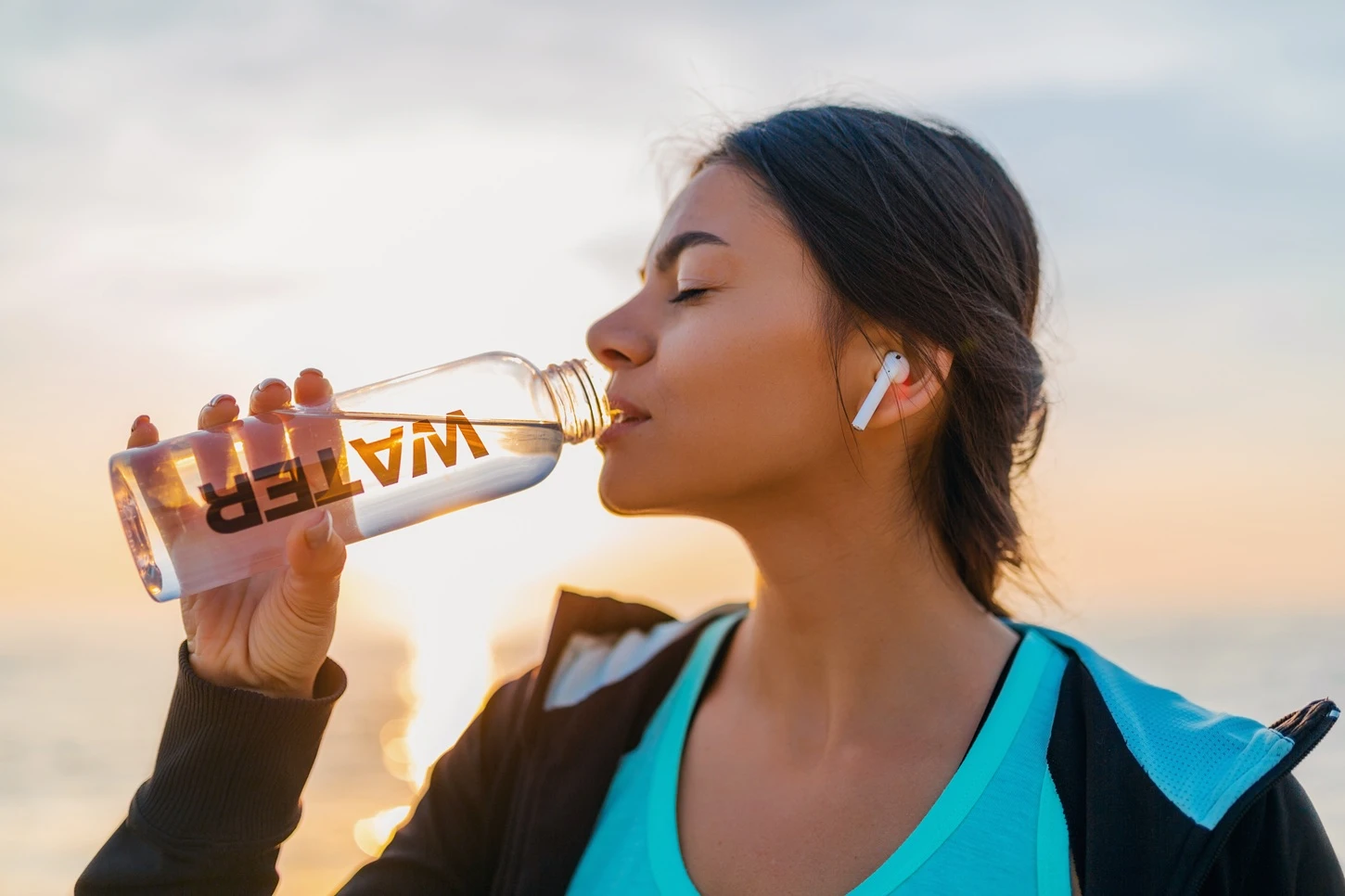


While most people associate summer with glowing, healthy skin, dermatological studies reveal that 73% of adults experience increased skin dehydration during warmer months, leading to premature aging and compromised skin barrier function. The intense heat, UV radiation, and environmental factors create a perfect storm that strips moisture from your skin faster than you might realize.
This comprehensive guide explores evidence-based strategies for maintaining optimal hydration in summers, combining cutting-edge dermatological research with practical, actionable solutions. By the end of this post, you'll understand the science behind summer skin dehydration, master proven hydration techniques, and implement a personalized summer skin care routine that protects and nourishes your skin throughout the season.
Summer weather creates multiple challenges for your skin's natural moisture balance. Higher temperatures increase transepidermal water loss (TEWL) rates, meaning your skin loses moisture much faster than during cooler months. This process accelerates when temperatures rise above 25°C, causing your skin to work overtime to maintain hydration.
UV radiation plays a significant role in compromising your skin's barrier function. These harmful rays break down the proteins and lipids that keep moisture locked in your skin cells. Even brief sun exposure can trigger inflammatory responses that further disrupt your skin's natural protective mechanisms.
Air conditioning, while providing relief from heat, creates another hydration challenge. These systems remove humidity from indoor environments, creating desert-like conditions that pull moisture directly from your skin. The constant transition between hot outdoor air and cool indoor spaces puts additional stress on your skin's adaptive capabilities.
Swimming pools present a hidden threat to skin hydration. Chlorine strips away natural oils and disrupts your skin's pH balance, leaving it vulnerable to moisture loss. Even brief pool sessions can leave your skin feeling tight and dry for hours afterward.
Humidity fluctuations throughout summer days create constant challenges for maintaining consistent skin hydration. Your skin must constantly adjust to changing moisture levels in the air, often leading to overcompensation in oil production or excessive dryness.
Heat-induced changes in sebum production can trick you into thinking your skin doesn't need hydration. While your T-zone might appear oily, the rest of your face could be severely dehydrated. This imbalance requires careful attention to different areas of your face during summer skin care routines.
Sweat composition changes during hot weather, affecting your skin's pH balance. As sweat evaporates, it leaves behind salt crystals that can irritate and dehydrate your skin further. Understanding this process helps explain why post-workout skin care becomes crucial during summer months.
Fine lines often become more pronounced during summer, even on younger skin. These temporary lines appear because dehydrated skin loses its plumpness and elasticity. You might notice these changes particularly around your eyes and mouth, where skin is naturally thinner.
Skin texture changes provide another clear indicator of hydration issues. Your skin may feel rougher than usual or appear to have a dull, lackluster finish. This happens because dehydrated skin cells don't reflect light as effectively as properly hydrated ones.
Loss of natural radiance signals that your skin's moisture barrier needs attention. Healthy, hydrated skin has a natural glow that comes from optimal light reflection. When this disappears, it's often the first sign that your summer hydration strategy needs adjustment.
Increased sensitivity to skincare products often develops when skin becomes dehydrated. Products that normally feel comfortable might start causing stinging or irritation, indicating that your skin barrier has become compromised.
The skin elasticity test provides a simple way to assess hydration levels. Gently pinch the skin on the back of your hand and release it. Well-hydrated skin snaps back immediately, while dehydrated skin takes longer to return to its normal position.
Changes in pore appearance can signal hydration issues. Dehydrated skin often makes pores appear larger and more prominent because the surrounding skin loses volume and firmness.
Makeup application difficulties frequently indicate underlying hydration problems. Foundation may appear patchy or cling to dry areas, while concealer might emphasize fine lines that weren't visible before.
Gentle cleansing forms the foundation of effective summer skin care. Use lukewarm water and mild cleansers that preserve your skin's natural oils while removing overnight buildup. Avoid harsh scrubbing or hot water, which can strip away essential moisture before you even begin your hydration routine.
Layering lightweight, water-based serums provides multiple levels of hydration without feeling heavy on summer skin. Apply thinnest to thickest consistency, allowing each layer to absorb before adding the next. This technique maximizes moisture retention while maintaining a comfortable feel.
SPF integration requires careful consideration to avoid compromising hydration levels. Choose broad-spectrum sunscreens with hydrating ingredients like hyaluronic acid or glycerin. Apply sunscreen as the final step in your morning routine, ensuring complete coverage without disturbing underlying hydration layers.
Timing considerations play a crucial role in product effectiveness. Apply hydrating products to slightly damp skin to enhance absorption and lock in additional moisture. Wait 2-3 minutes between each product application to ensure optimal penetration.
Double cleansing methods become essential during summer months when sunscreen, sweat, and environmental pollutants accumulate on your skin. Start with an oil-based cleanser to dissolve sunscreen and makeup, followed by a gentle water-based cleanser to remove remaining impurities.
Overnight hydration treatments provide intensive moisture repair while you sleep. Choose products with superior ingredients, highly absorbable formats, palatable flavors that work specifically during your skin's natural repair cycle. Night treatments can be richer than daytime products since you don't need to worry about makeup application or sun protection.
Repair-focused ingredient combinations work synergistically to restore summer-damaged skin. Pair humectants like hyaluronic acid with barrier-repairing ingredients like ceramides and niacinamide for comprehensive overnight restoration.
Expert Insight Corner:
"The key to summer hydration lies in understanding that your skin needs different molecular weights of hydrating ingredients throughout the day. Hyaluronic acid in the morning provides immediate plumping, while ceramides at night rebuild the barrier function that UV exposure compromises." - Dr. Sarah Chen, Board-Certified Dermatologist
Coconut water provides an optimal electrolyte profile that supports skin hydration from within. Rich in potassium and natural sugars, it helps maintain cellular fluid balance more effectively than plain water. The natural electrolytes in coconut water support your skin's ability to retain moisture throughout hot summer days.
Green tea offers powerful antioxidant benefits that protect your skin while providing hydration. The polyphenols in green tea help reduce inflammation caused by UV exposure and environmental stressors. Drinking 2-3 cups daily can provide both internal hydration and protective benefits for your skin.
Cucumber-infused water delivers silica, a mineral essential for skin elasticity and moisture retention. Silica supports collagen production and helps your skin maintain its natural plumpness. This refreshing beverage also provides additional vitamins and minerals that support overall skin health.
Herbal teas like chamomile and rooibos support skin barrier function through their anti-inflammatory properties. These caffeine-free options provide hydration without the potential dehydrating effects of caffeine, making them ideal choices for evening consumption.
Alcohol creates significant dehydrating effects on skin cells by interfering with your body's natural moisture regulation systems. Even moderate alcohol consumption can lead to increased water loss through your skin, undoing the benefits of your carefully planned hydration routine.
High-caffeine drinks act as diuretics, increasing water loss through increased urination. While moderate caffeine intake isn't necessarily harmful, excessive consumption can work against your hydration goals, particularly during hot summer months when fluid loss already increases.
Sugary beverages contribute to inflammatory processes that can compromise skin barrier function. High sugar intake triggers glycation, a process that damages collagen and elastin, making your skin less able to retain moisture effectively.
Hyaluronic acid comes in different molecular weights, each serving specific hydration functions. Low molecular weight hyaluronic acid penetrates deeper into skin layers, while high molecular weight versions create a moisture-retaining film on the surface. Using products with multiple molecular weights provides comprehensive hydration benefits.
Glycerin demonstrates exceptional moisture-binding capabilities, attracting water from both the environment and deeper skin layers. This ingredient works particularly well in humid summer conditions, drawing moisture from the air to keep your skin hydrated throughout the day.
Sodium PCA functions as part of your skin's natural moisturizing factor, helping maintain optimal hydration levels. This ingredient closely mimics your skin's own hydrating mechanisms, making it highly compatible and effective for summer use.
Beta-glucan provides both soothing and hydrating properties, making it ideal for summer-stressed skin. This ingredient helps calm irritation from sun exposure while delivering deep moisture to compromised skin barriers.
Ceramides come in different types, each serving specific barrier repair functions. These lipids help rebuild the protective layer that UV exposure and environmental stressors damage during summer months. Regular use of ceramide-containing products helps maintain long-term skin hydration.
Niacinamide offers dual benefits of oil regulation and pore-refining while supporting hydration. This versatile ingredient helps balance sebum production in oily areas while maintaining moisture in drier zones, making it perfect for summer skin care routines.
Peptides support collagen production and moisture retention by signaling your skin to repair and strengthen itself. These protein fragments help maintain skin structure and elasticity, supporting your skin's natural ability to hold moisture.
Omega-3 fatty acids support skin barrier integrity by maintaining the lipid layer that prevents moisture loss. These essential fats help reduce inflammation and support your skin's natural repair processes, making them particularly beneficial during summer months when UV exposure increases inflammatory responses.
Vitamin C plays a crucial role in collagen synthesis and water retention within skin cells. This powerful antioxidant also helps protect against UV damage while supporting your skin's natural moisture-holding capacity. Adequate Vitamin C intake becomes even more important during summer months.
Vitamin E provides protective antioxidant functions that help prevent moisture loss caused by environmental damage. This vitamin works synergistically with Vitamin C to provide comprehensive protection against summer skin stressors.
Zinc contributes significantly to skin repair and hydration by supporting cellular regeneration processes. This mineral helps maintain skin barrier function and supports the healing of summer-related skin damage.
Water-rich fruits and vegetables provide hydration along with essential vitamins and minerals. Watermelon, cucumber, tomatoes, and citrus fruits offer high water content plus skin-beneficial nutrients that support hydration from within.
Healthy fats from sources like avocados, nuts, and olive oil support skin lipid barriers that prevent moisture loss. These foods provide the building blocks your skin needs to maintain its protective barrier against summer environmental stressors.
Antioxidant-rich foods help protect your skin from UV-induced damage that can compromise hydration. Berries, leafy greens, and colorful vegetables provide compounds that support your skin's natural defense systems.
Apply a lightweight moisturizer twice daily - once in the morning under SPF and once at night with a slightly richer formula. During particularly hot or humid days, you may benefit from a midday hydrating mist or serum application.
While some core ingredients like hyaluronic acid work well year-round, summer typically requires lighter textures and different formulations. Switch to gel-based or water-based products during warmer months to prevent clogged pores while maintaining adequate hydration.
Dehydrated skin lacks water and can affect any skin type, often appearing dull with fine lines. Dry skin lacks oil production and is a permanent skin type. Summer heat can cause dehydration in any skin type, while dry skin may actually benefit from increased humidity.
While the standard recommendation is 8 glasses daily, skin hydration depends more on consistent intake throughout the day. Aim for pale yellow urine as an indicator of proper hydration, and increase intake during outdoor activities or in air-conditioned environments.
Vitamin C supports collagen production and water retention, Vitamin E provides antioxidant protection against UV damage, and Vitamin D (when obtained safely) supports skin barrier function. B-complex vitamins also contribute to overall skin health and moisture retention.
Maintaining optimal skin hydration during summer months requires a multifaceted approach that combines scientific understanding with practical application. The key lies in adapting your routine to address increased environmental stressors while supporting your skin's natural barrier function through targeted ingredients, proper nutrition, and consistent care practices. By implementing these evidence-based hydration strategies, you're investing in both immediate skin comfort and long-term skin health. Remember that effective summer skin care is about finding the right balance of protection, nourishment, and hydration that works specifically for your skin type and lifestyle. We invite you to explore our comprehensive range of scientifically-formulated electrolyte drinks designed to support your skin's health throughout every season.




Someone sent you
Powered by ReferRush


