How to Maximize Biotin Benefits for Healthy Hair
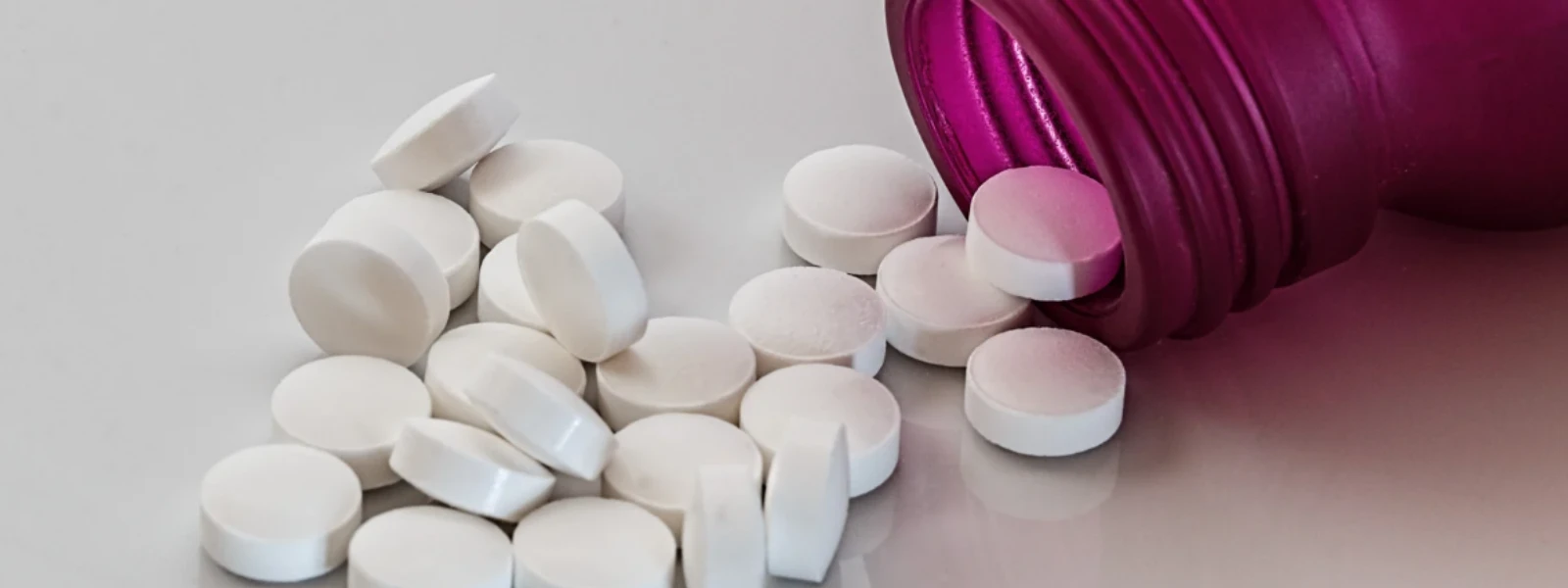


Strong, healthy hair starts from within, and biotin has emerged as one of the most talked-about nutrients for hair health. This essential B vitamin plays a crucial role in protein synthesis and keratin production, making it fundamental for hair structure and growth. While biotin deficiency is relatively rare, understanding proper biotin uses can help you make informed decisions about supplementation and dietary choices for optimal hair health.
This comprehensive guide explores the science behind biotin benefits, proper dosage guidelines, natural food sources, and realistic expectations for results. Whether you're dealing with thinning hair, brittle strands, or simply want to support your hair's natural growth cycle, you'll learn how to maximize biotin's potential while avoiding common pitfalls.
Biotin, also known as Vitamin B7 or Vitamin H, is a water-soluble vitamin that serves as a coenzyme in several metabolic processes. This essential nutrient plays a vital role in the metabolism of fatty acids, amino acids, and glucose, making it fundamental for cellular energy production and protein synthesis.
For hair health specifically, biotin's primary function involves supporting keratin production. Keratin is the structural protein that forms the foundation of your hair, skin, and nails. When biotin levels are adequate, your body can efficiently produce strong, resilient keratin fibers that contribute to healthy hair growth and structure.
The science behind biotin's impact on hair follicles involves its role in cell division and DNA synthesis. Hair follicles are among the most rapidly dividing cells in the human body, requiring consistent nutrient support for optimal function. Biotin helps ensure these follicles have the necessary building blocks for continuous hair production.
It's important to distinguish between true biotin deficiency and normal biotin levels. While severe deficiency can lead to hair loss, brittle hair, and skin issues, most people maintain adequate biotin levels through their regular diet. Understanding this distinction helps set realistic expectations for biotin supplementation.
Research has established several key biotin benefits that extend beyond hair health. For hair specifically, biotin supplementation has shown promise in strengthening hair strands, potentially promoting growth, and reducing breakage in individuals with biotin deficiency or certain hair conditions.
Studies indicate that biotin for hair works by improving the keratin infrastructure. This enhanced protein structure can lead to stronger, more resilient hair that's less prone to damage from styling, environmental factors, and daily wear. Some research suggests that biotin supplementation may help with conditions like alopecia areata, though more studies are needed to confirm these effects.
Biotin for skin offers additional benefits through its role in fatty acid synthesis and cell regeneration. Adequate biotin levels support healthy skin cell turnover, which can contribute to a clearer, more radiant complexion. The vitamin also plays a role in maintaining the skin's protective barrier function.
Beyond cosmetic benefits, biotin supports several metabolic functions. It helps convert carbohydrates, fats, and proteins into usable energy, making it essential for overall cellular health. This metabolic support indirectly benefits hair health by ensuring follicles receive adequate energy for optimal function.
Did You Know?
Hair grows approximately 0.5 inches per month, and each hair follicle cycles through growth, rest, and shedding phases over 2-7 years. Biotin supports this natural cycle by providing essential nutrients for keratin production during the active growth phase.
True biotin deficiency is relatively uncommon in healthy individuals following a balanced diet. However, certain groups may be at higher risk and could benefit from increased biotin intake through biotin supplements or biotin rich foods.
Signs of biotin deficiency include hair thinning or loss, brittle or splitting nails, skin rashes (particularly around the eyes, nose, and mouth), fatigue, and neurological symptoms like depression or numbness in extremities. These symptoms typically develop gradually and may be subtle in mild deficiency cases.
Several factors can increase the risk of biotin deficiency. Pregnancy and breastfeeding increase biotin requirements, as the vitamin is essential for fetal development and is transferred through breast milk. Certain genetic conditions can affect biotin metabolism, while some medications, including certain antibiotics and anti-seizure drugs, may interfere with biotin absorption or utilization.
Individuals with specific medical conditions may also benefit from biotin supplementation. Some studies suggest potential benefits for people with alopecia areata, brittle nail syndrome, or certain metabolic disorders. However, these applications should always be discussed with healthcare providers.
Understanding proper biotin dosage is crucial for maximizing benefits while minimizing potential side effects. The recommended daily allowance varies by age and life stage, with adults typically requiring 30 micrograms daily for basic metabolic functions.
For hair health concerns, therapeutic dosages often range from 1,000 to 10,000 micrograms (1-10 milligrams) daily. These higher doses are generally considered safe due to biotin's water-soluble nature, which allows excess amounts to be excreted through urine. However, individual needs may vary based on factors like diet, absorption capacity, and specific health goals.
When considering whether 10,000 mcg of biotin is appropriate, it's important to note that this dose is significantly higher than the RDA but has been used safely in clinical studies. Some individuals may see benefits at lower doses, while others might require higher amounts to achieve desired results.
The timeline for seeing results varies among individuals. While some people report improvements in nail strength within a few weeks, hair changes typically take longer due to the hair growth cycle. Most studies evaluating biotin for hair health measure outcomes over 3-6 months, as this timeframe allows for meaningful assessment of hair growth and quality changes.
Incorporating biotin rich foods into your diet provides a natural foundation for adequate biotin intake. Egg yolks are among the richest sources, containing approximately 10 micrograms per yolk. Other excellent sources include organ meats like liver, nuts and seeds (particularly almonds and sunflower seeds), legumes, and certain vegetables like sweet potatoes and spinach.
Salmon, avocados, and whole grains also contribute meaningful amounts of biotin to the diet. Planning meals that include these foods regularly can help maintain adequate biotin levels naturally. For example, a breakfast of eggs with avocado and almonds provides substantial biotin along with other hair-supporting nutrients.
Biotin supplements offer a concentrated, convenient option for those seeking higher doses or having difficulty meeting needs through food alone. These supplements come in various forms, including tablets, capsules, gummies, and liquid formulations. Some products combine biotin with other hair-supporting nutrients like collagen, Vitamin C, or zinc.
Absorption considerations include taking biotin supplements with food to minimize potential stomach upset and avoiding taking them simultaneously with certain medications that might interfere with absorption. The timing of supplementation is generally flexible, though consistency in timing may help establish a routine.
Biotin supplements are most beneficial for individuals with diagnosed biotin deficiency, certain genetic conditions affecting biotin metabolism, or specific hair and nail concerns. Most people following a balanced diet obtain adequate biotin naturally. Those at higher risk include pregnant women, individuals taking certain medications, and people with malabsorption conditions.
Results vary by individual and the specific concern being addressed. Nail improvements may be noticeable within 2-4 weeks, while hair changes typically require 3-6 months due to the natural hair growth cycle. Consistency in supplementation is important for achieving and maintaining results.
Yes, biotin supplementation can trigger acne in some individuals, particularly at higher doses. This occurs due to competition with Vitamin B5 for absorption. Starting with lower doses, ensuring adequate B5 intake, and monitoring skin response can help minimize this risk.
Egg yolks, organ meats (especially liver), nuts and seeds, legumes, salmon, and avocados are among the richest natural sources of biotin. Incorporating these foods regularly into your diet can help maintain adequate biotin levels naturally while providing other essential nutrients for overall health.
Maximizing biotin benefits for healthy hair requires understanding both the science behind this essential vitamin and realistic expectations for results. While biotin plays a crucial role in keratin production and hair structure, supplementation is most beneficial for those with deficiency or specific hair concerns. The key to success lies in choosing appropriate dosages, monitoring for side effects, and maintaining consistency over time. Whether through biotin rich foods or targeted supplementation, supporting your body's biotin needs can contribute to stronger, healthier hair as part of a comprehensive approach to hair care. For personalized guidance on biotin supplementation, especially if you have underlying health conditions or take medications, consulting with healthcare providers ensures safe and effective use tailored to your individual needs.




Someone sent you
Powered by ReferRush


