How to Maximize Collagen Absorption Naturally
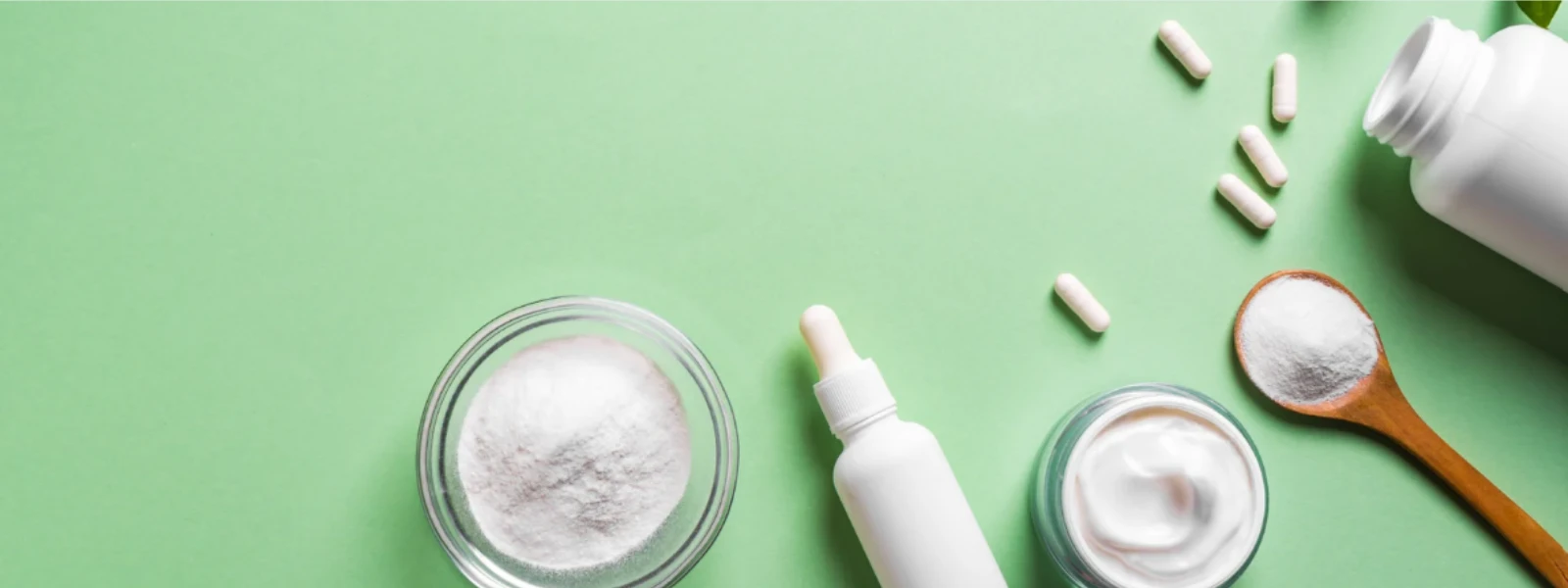


Your skin's ability to produce collagen naturally declines by about 1% each year after age 25. This decline affects skin elasticity, hydration, and overall appearance. While this process is inevitable, understanding collagen absorption tips can help you maximize the benefits of both dietary sources and supplements. Research shows that proper timing, dosage, and complementary nutrients can significantly improve how your body processes and utilizes collagen for optimal skin health.
This comprehensive guide explores science-backed strategies to enhance collagen bioavailability and absorption. You'll discover the most effective methods to support your body's natural collagen synthesis while avoiding common mistakes that can hinder absorption. Whether you're new to collagen supplementation or looking to optimize your current routine, these evidence-based approaches will help you achieve better results for healthier, more youthful-looking skin.
Collagen bioavailability refers to how effectively your body can absorb and utilize collagen from supplements or food sources. When you consume collagen, your digestive system breaks it down into smaller peptides and amino acids. These components then travel through your bloodstream to reach skin cells, where they support collagen synthesis.
The collagen absorption rate depends on several factors, including the molecular weight of the collagen, your digestive health, and the presence of other nutrients. Hydrolyzed collagen peptides, which have been pre-broken down into smaller molecules, typically show higher absorption rates compared to whole collagen proteins.
Your body's ability to process collagen peptides also varies based on age, overall health, and lifestyle factors. Younger individuals generally have more efficient absorption mechanisms, while certain health conditions or medications can impact how well your body utilizes collagen.
Clinical studies demonstrate that collagen benefits for skin extend beyond simple hydration. Research published in peer-reviewed journals shows that regular collagen supplementation can increase skin elasticity by 7-15% and improve hydration levels by up to 28% after 8-12 weeks of consistent use.
The molecular structure of collagen plays a crucial role in its effectiveness. Type I collagen, which makes up about 80% of your skin's collagen, provides structural support and firmness. When you consume high-quality collagen supplements, the amino acids glycine, proline, and hydroxyproline become available for your body's natural collagen production process.
Visible improvements in skin texture and appearance typically begin within 4-6 weeks of consistent supplementation. However, more significant changes in fine lines and skin elasticity usually become apparent after 8-12 weeks of regular use.
The timing of your collagen supplements can significantly impact absorption efficiency. Taking collagen on an empty stomach, typically 30 minutes before breakfast or 2-3 hours after dinner, allows for optimal absorption without interference from other proteins or nutrients.
Morning consumption often works best because your body's natural growth hormone levels are higher during early hours, which can enhance collagen synthesis. Additionally, taking collagen before meals ensures that digestive enzymes can focus specifically on breaking down the collagen peptides.
If you take multiple supplements, space your collagen intake at least 2 hours away from iron supplements, as iron can interfere with collagen absorption. Calcium and magnesium supplements should also be taken separately to avoid competition for absorption pathways.
Research suggests that 2.5-10 grams of collagen peptides daily provides optimal benefits for skin health. Marine collagen typically requires lower doses (2.5-5 grams) due to its smaller molecular size and higher bioavailability, while bovine collagen may require 5-10 grams for similar effects.
Age considerations also matter for dosage optimization. Individuals under 30 may see benefits with 2.5-5 grams daily, while those over 40 might require 5-10 grams to achieve similar results. This increased requirement reflects the natural decline in collagen production that accelerates with age.
Consistency matters more than high doses. Taking a moderate amount daily provides better results than taking large amounts sporadically. Your body can only process a certain amount of collagen at one time, making steady intake more effective than occasional high doses.
Collagen boosting foods provide the essential nutrients your body needs for natural collagen synthesis. Vitamin C-rich foods like citrus fruits, berries, bell peppers, and leafy greens are crucial because Vitamin C acts as a cofactor in collagen production. Without adequate Vitamin C, your body cannot effectively synthesize collagen regardless of amino acid availability.
Protein sources containing the amino acids glycine, proline, and hydroxyproline support collagen building. Fish, chicken, eggs, and legumes provide these essential building blocks. Bone broth, made from slow-cooking animal bones, naturally contains collagen and gelatin that your body can break down and utilize.
Antioxidant-rich foods protect existing collagen from damage caused by free radicals. Berries, green tea, dark chocolate, and colorful vegetables contain compounds that help preserve your skin's collagen structure and prevent premature breakdown.
Several key nutrients work synergistically to improve collagen production. Zinc supports collagen synthesis and wound healing, while copper helps cross-link collagen fibers for strength and stability. These minerals are found in nuts, seeds, shellfish, and whole grains.
Vitamin A supports skin cell turnover and collagen remodeling. Beta-carotene from orange and red vegetables converts to Vitamin A in your body, supporting healthy skin structure. Vitamin E works alongside Vitamin C to protect collagen from oxidative damage.
Silica, found in cucumbers, oats, and bananas, helps strengthen connective tissues and supports collagen formation. Sulfur-containing foods like garlic, onions, and cruciferous vegetables provide compounds necessary for collagen cross-linking and stability.
Did You Know?
Your body produces the most collagen during deep sleep phases when growth hormone levels peak. Getting 7-9 hours of quality sleep can increase your natural collagen production by up to 30%, making adequate rest as important as proper nutrition for skin health.
When choosing the best collagen for skin, understanding different forms helps optimize absorption. Hydrolyzed collagen peptides undergo enzymatic breakdown, creating smaller molecules that your body absorbs more easily. These peptides typically have molecular weights between 2,000-5,000 Daltons, allowing for efficient passage through intestinal walls.
Marine collagen, derived from fish skin and scales, contains primarily Type I collagen, which closely matches human skin collagen. Its smaller molecular size often results in higher bioavailability compared to bovine or porcine sources. Bovine collagen provides Types I and III collagen, supporting both skin and joint health.
Powder forms generally offer better absorption than capsules because they begin breaking down in your mouth and stomach. Liquid collagen may have the highest bioavailability, but powder forms mixed with liquid provide similar benefits while offering more flexibility in dosing and mixing.
Third-party testing ensures that collagen supplements meet purity and potency standards. Look for products tested for heavy metals, contaminants, and accurate amino acid profiles. Certificates of analysis should be readily available from reputable manufacturers.
Molecular weight specifications indicate absorption potential. Collagen peptides with weights below 5,000 Daltons typically show superior bioavailability. Some premium products specify exact molecular weight ranges, allowing you to choose based on your specific absorption needs.
Sustainable sourcing matters for both environmental and quality reasons. Grass-fed bovine collagen and wild-caught marine collagen often contain fewer contaminants and provide more consistent amino acid profiles compared to conventionally sourced alternatives.
Regular exercise naturally stimulates collagen synthesis through mechanical stress on tissues. Resistance training particularly benefits skin collagen by increasing growth hormone and insulin-like growth factor-1 (IGF-1) production, both of which support collagen formation.
Moderate cardiovascular exercise improves circulation, delivering nutrients and oxygen to skin cells more efficiently. This enhanced blood flow supports the transport of collagen-building amino acids to areas where they're needed most.
Yoga and stretching exercises promote flexibility and may help maintain skin elasticity. The gentle stress placed on connective tissues during stretching can stimulate collagen remodeling and renewal processes.
Quality sleep directly impacts your body's ability to utilize collagen effectively. During deep sleep phases, growth hormone release peaks, triggering protein synthesis including collagen production. Poor sleep quality can reduce this natural collagen-building process by up to 30%.
Chronic stress elevates cortisol levels, which can break down existing collagen and inhibit new collagen formation. Stress management techniques like meditation, deep breathing, or regular relaxation practices help maintain optimal hormonal balance for collagen synthesis.
Establishing consistent sleep schedules and creating optimal sleep environments support your body's natural repair processes. Cool, dark rooms and avoiding screens before bedtime can improve sleep quality and enhance overnight collagen production.
Certain supplements can interfere with collagen bioavailability when taken simultaneously. Iron supplements compete for absorption pathways and should be taken at least 2 hours apart from collagen. High-dose calcium and magnesium can also reduce collagen absorption efficiency.
High-sugar foods and beverages can accelerate collagen breakdown through a process called glycation, where sugar molecules bind to collagen fibers and make them stiff and brittle. Limiting refined sugars helps preserve existing collagen while supporting new synthesis.
Excessive alcohol consumption impairs collagen synthesis by depleting Vitamin C and other essential nutrients. Alcohol also increases inflammation, which can accelerate collagen breakdown and reduce the effectiveness of supplementation.
Heat exposure can denature collagen peptides and reduce their bioavailability. Avoid mixing collagen powder with very hot liquids (above 140°F/60°C). Room temperature or slightly warm liquids preserve the integrity of collagen peptides while still allowing for easy mixing.
Proper storage maintains collagen potency over time. Store collagen supplements in cool, dry places away from direct sunlight. Moisture can cause clumping and may promote bacterial growth, while heat and light can break down the peptide structure.
Mixing collagen with highly acidic beverages like citrus juices immediately before consumption can begin breaking down peptides prematurely. While this doesn't eliminate benefits, it may reduce absorption efficiency compared to mixing with neutral pH liquids.
Most people notice improvements in skin hydration within 4-6 weeks of consistent collagen supplementation. More significant changes in elasticity and fine line reduction typically appear after 8-12 weeks of regular use. Individual results may vary based on age, lifestyle factors, and the quality of collagen supplements used.
Hydrolyzed marine collagen peptides with molecular weights between 2,000-5,000 Daltons generally show the highest absorption rates. Marine collagen contains primarily Type I collagen, which closely matches human skin collagen composition, making it particularly effective for skin health benefits.
Yes, you can support natural collagen synthesis through diet and lifestyle choices. Consuming Vitamin C-rich foods, protein sources with essential amino acids, and antioxidant-rich vegetables provides the building blocks for collagen production. Regular exercise, adequate sleep, and stress management also boost natural collagen synthesis.
Clinical studies demonstrate that high-quality collagen peptides can increase skin collagen density by 7-15% when taken consistently for 8 or more weeks. The key is choosing hydrolyzed collagen with appropriate molecular weights and taking it consistently with proper timing and dosage.
Taking collagen on an empty stomach, either 30 minutes before breakfast or 2-3 hours after dinner, typically provides optimal absorption conditions. Morning consumption often works best because growth hormone levels are naturally higher, which can enhance collagen synthesis throughout the day.
Maximizing collagen absorption requires a comprehensive approach that combines proper supplementation timing, quality product selection, and supportive lifestyle habits. The most effective strategy involves taking hydrolyzed collagen peptides on an empty stomach, supporting your intake with Vitamin C-rich foods, and maintaining consistent sleep and exercise routines. Avoiding common mistakes like taking collagen with competing supplements or exposing it to excessive heat helps ensure optimal bioavailability. Remember that collagen benefits for skin develop gradually over 8-12 weeks of consistent use, making patience and consistency key to achieving the best results. By implementing these science-backed collagen absorption tips, you can support your body's natural ability to maintain healthy, youthful-looking skin while maximizing the benefits of your collagen supplementation routine.




Someone sent you
Powered by ReferRush


