How to Prevent Frizzy Hair: Everyday Habits for Healthier Strands


Carnival ends in
06d : 17h : 16m : 38s
Buy 2+ eligible products & get the same/lower priced product for FREE
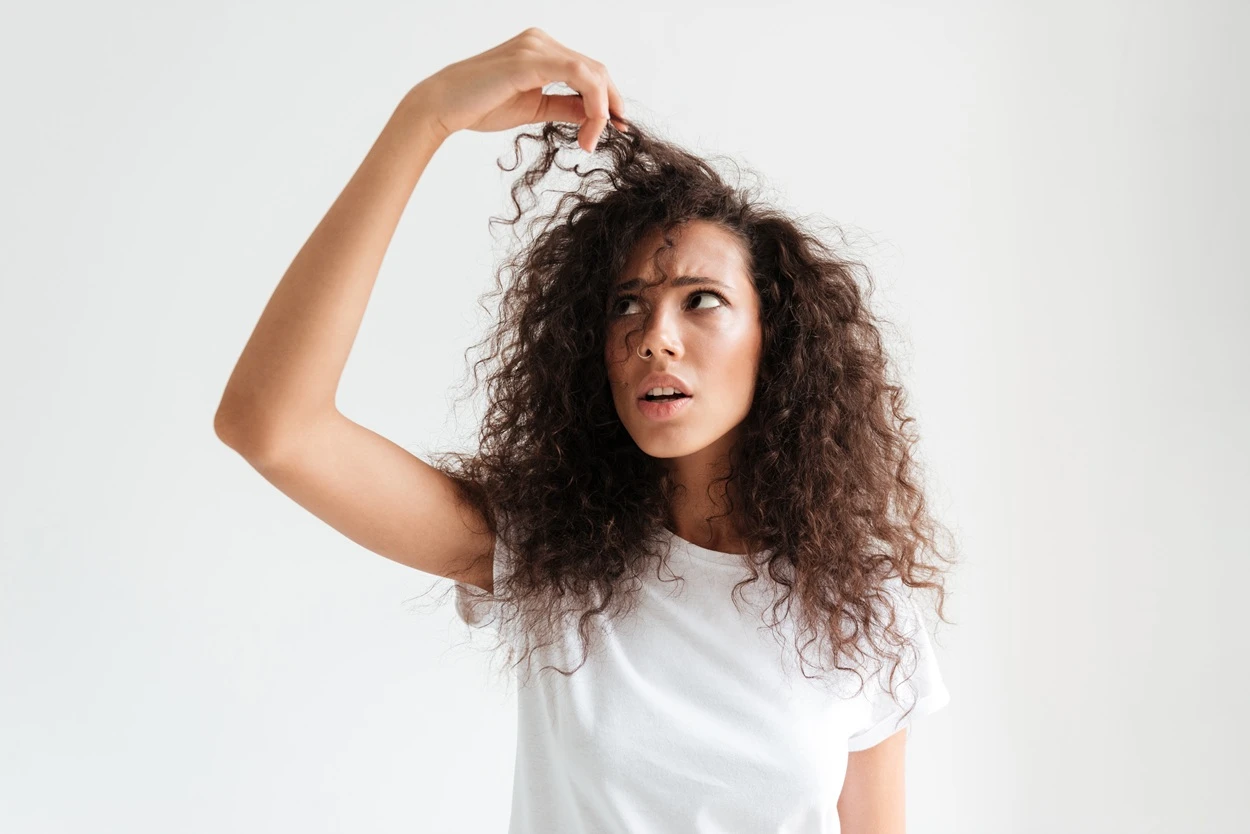
Learn MoreYou style your hair, step outside, and within minutes, humidity or dry air seems to undo all the work. Frizzy hair is a common concern, especially in changing weather, air-conditioned rooms, and busy city routines. It often happens when the outer layer of each strand, called the cuticle, lifts and lets in moisture from the air.
The good news is that frizz is not something you have to simply accept. Small, steady changes can help hair look softer and feel easier to manage. This guide explains what causes frizz, which daily habits can make it worse, and practical hair care tips that support smooth hair over time.
Each hair strand has an outer protective layer made of tiny overlapping cells. This is the cuticle. When it lies flat, hair reflects light and feels smoother. When it is lifted, hair can feel rough, look dull, and appear frizzy.
Frizz can be linked to dry hair, heat damage, colour treatments, rough handling, and the weather. Your natural hair texture also matters. Curly and wavy hair often has a more raised cuticle pattern, so it may be more prone to frizz than straight hair.
Hair can absorb water from the air. In humid weather, this water can change the weak bonds inside the hair strand. The strand may swell in uneven ways, which can make its surface look less smooth. Dry hair is often more likely to react because it seeks moisture from its surroundings.
Porosity describes how easily hair takes in and holds moisture. Low-porosity hair resists water. Medium-porosity hair tends to have a balanced response. High-porosity hair absorbs water quickly but may lose it just as fast.
High-porosity hair can be more prone to frizz because its cuticle has more gaps. A strand float test is sometimes used as a rough at-home clue, but it is not a reliable diagnosis. A hair expert can assess your hair more accurately if you are unsure.
Many frizzy hair solutions begin in the shower. Washing too often can remove the natural oils that help protect the hair shaft. Yet waiting too long between washes can lead to scalp buildup for some people. The right wash frequency depends on your scalp, texture, activity level, and product use.
Use lukewarm water rather than very hot water. Hot water can leave hair feeling drier. Apply shampoo mainly to the scalp, where oil and buildup collect. Massage gently with your fingertips. Avoid piling the lengths on top of your head or scrubbing them hard.
A mild shampoo, including a sulfate-free option when it suits your hair, may be helpful for dry hair. Rinse well, since leftover product can make hair feel coated and rough.
Conditioner helps reduce friction between strands and can improve the feel of the cuticle. Apply it from mid-length to ends, where hair is older and often drier. Leave it on for the time stated on the pack, then rinse.
A rinse-out conditioner works well after washing. A leave-in conditioner can offer added slip and moisture between washes. If your hair feels dry or rough, a weekly conditioning mask may be useful. Choose a formula that matches your hair type rather than layering many products at once.
Do not rub wet hair with a rough towel. Wet strands are more likely to stretch and break. Instead, blot or press out water with a soft microfiber towel or a clean cotton T-shirt. Those with curly or wavy hair may prefer wrapping or “plopping” hair in cotton fabric to support the curl shape.
Air drying can suit some people, while blow drying can suit others. If you blow dry, use a heat protectant first and keep the heat setting low to medium. A diffuser can help curly and wavy hair dry with less disruption. Keep the dryer moving instead of holding it in one spot.
Long-term smooth hair comes from steady habits, not one dramatic fix. A simple routine is often easier to follow and kinder to your hair.
Use your fingers or a wide-tooth comb on damp hair. Start at the ends and slowly move upward. This helps reduce pulling and breakage. Fine brushes can create friction, especially on textured or dry hair. If you brush dry curls, you may separate the curl pattern and create more visible frizz.
Friction against a cotton pillowcase can disturb the hair surface overnight. A silk or satin pillowcase, bonnet, or wrap may reduce this friction. You can also place long hair in a loose braid or loose bun. Avoid tight styles that pull at the roots or leave deep bends in the hair.
Split ends cannot be fully repaired by a product. They can make the lower lengths look thin, dry, and frizzy. A trim every 8 to 12 weeks may help keep ends neat, though the ideal timing varies based on your hair length, styling habits, and level of damage.
Reading a product label can help you build better frizzy hair solutions. The goal is not to use every trending ingredient. It is to choose products that add moisture, reduce friction, and support the hair surface.
Humectants such as glycerin and hyaluronic acid attract water. They can support moisture, though very humid weather may affect how some hair types respond. Emollients such as argan oil and shea butter soften the hair surface. Film-forming ingredients can help reduce moisture loss and protect against humid air.
Panthenol, also called Pro-Vitamin B5, can improve the feel of hair and support flexibility. Protein-based ingredients, such as keratin, may help temporarily improve the look of damaged areas. However, too much protein can leave some hair feeling stiff, so balance matters.
Expert Insight: What Your Hair Is Really Telling You
Frizz is often a sign that hair needs more protection, moisture, or gentler handling. A balanced routine can help limit the cycle of dryness, swelling, and rough texture. The aim is healthier-looking hair over time, not a short-lived cosmetic cover-up.
Strong cleansing agents may feel too drying for some frizz-prone hair types. Drying alcohols, such as isopropyl alcohol, can also be a concern when they appear high on an ingredient list. Heavy silicone-based products may make hair feel smooth at first, but buildup can occur if they are not cleansed well. Focus on how your own scalp and strands respond.
Topical care matters, but hair grows from follicles in the scalp. Your overall diet, hydration, stress levels, and health can affect how hair looks and feels. Nutrition supports hair health, but it does not replace a gentle external routine.
Hair is mostly made of keratin, a protein. Eating enough protein is one part of supporting normal hair growth. Nutrients such as iron, zinc, Vitamin C, Vitamin E, biotin or Vitamin B7, and omega-3 fatty acids also play roles in normal body functions linked to hair and scalp health.
Low iron levels and other nutrient gaps can be linked with hair concerns in some people. If you have sudden shedding, ongoing breakage, or a major change in texture, speak with a dermatologist or qualified healthcare professional before starting supplements.
Regular water intake supports overall health. While drinking more water alone will not instantly fix dry hair, hydration is a useful part of a balanced routine. In dry seasons, use richer conditioning products. In humid months, a lightweight anti-humidity cream or serum may help limit excess moisture uptake.
Hard water may leave mineral deposits on hair, which can make it feel rough. A clarifying or chelating shampoo used when needed may help remove buildup. Sun exposure can also dry the hair surface. Hats, scarves, and leave-in products with UV filters can offer added protection when you spend long hours outdoors.
A routine does not need to be complex. On wash day, cleanse the scalp gently, condition the lengths, blot with a soft towel, and apply a leave-in product if needed. During the week, refresh only as needed with a light mist or small amount of serum. At night, reduce friction with a satin or silk surface and a loose protective style.
In summer, focus on humidity control and sun protection. In winter, hair may need richer moisture due to dry air and indoor cooling or heating. Fine hair may prefer lightweight products, while thick, curly, or colour-treated hair may need more conditioning support. Change one thing at a time so you can see what works.
Over-washing, skipping conditioner, using very hot tools, rough towel drying, and brushing dry textured hair can all worsen frizz. Product overload can also make hair limp or dull. Keep your routine focused. Cleanse the scalp, condition the lengths, protect from heat, and handle hair gently.
Persistent frizz alone is usually a cosmetic concern. However, seek professional advice if it comes with sudden hair loss, scalp pain, itching, flakes that do not improve, or a major change in hair texture. A dermatologist or trichologist can help identify whether scalp health, damage, or a wider health concern needs attention.
Frizzy hair often occurs when the cuticle is raised or damaged. Dryness, humidity, heat styling, colour treatments, and friction can all make this more likely.
Use a gentle shampoo, conditioner, wide-tooth comb, soft towel, heat protectant, and a leave-in product that suits your hair type. Consistency matters more than using many products.
It can. Dry hair may absorb moisture from humid air unevenly, which can lead to swelling and visible frizz.
A balanced diet supports normal hair growth and scalp health. Low intake of protein, iron, zinc, and key vitamins may affect hair in some people, but diet is only one part of hair care.
No. Curly, wavy, and high-porosity hair can be naturally prone to frizz. Still, worsening frizz with breakage or dullness may point to damage or dryness.
Frizzy hair is often the result of dryness, humidity, friction, and a disrupted cuticle. Gentle washing, regular conditioning, careful drying, smart heat use, and simple overnight protection can make a meaningful difference. Support these hair care tips with balanced nutrition and weather-aware choices for smoother-looking strands. Wellbeing Nutrition believes that lasting beauty routines are built on informed, consistent care, from everyday habits to thoughtful support for overall wellness.



