You catch your reflection and pause. The glow feels a little dimmer, the skin not as bouncy as before.
It’s subtle, but real.
What you’re noticing isn’t just age; it’s collagen loss.
Collagen is the invisible scaffolding that gives your skin firmness, elasticity, and that youthful bounce. But here’s the catch, starting in your mid-20s, your body quietly produces about 1% less collagen every year, while sunlight, stress, and lifestyle accelerate its breakdown (NIH).
The result?
Fine lines, dullness, and loss of structure that even the best creams can’t fully fix.
But here’s the good news, science now shows that your skin can rebuild collagen naturally when given the right signals and nutrients. Let’s look beneath the surface to understand how it really happens.
The Science of Collagen Renewal: What Happens Beneath the Skin
Collagen isn’t just a beauty molecule, it’s the biological framework that keeps your skin lifted, hydrated, and resilient. It makes up nearly 75% of your skin’s structure, forming a strong triple-helix network within the dermis.
With time, fibroblasts, the cells that produce collagen, begin to slow down. Meanwhile, enzymes like MMP-1 (matrix metalloproteinase) accelerate collagen degradation. Add UV exposure, poor diet, or stress, and that delicate balance tips even faster.
Let’s break down how this natural renewal happens and which ingredients can strengthen it at every stage.
Step 1: Reawakening Fibroblasts
Fibroblasts, your skin’s collagen-producing powerhouses, form the architectural framework that maintains firmness and elasticity. Yet with age, UV exposure, and oxidative stress, they enter a senescent state, where collagen synthesis declines sharply, weakening dermal structure and accelerating visible aging.
That’s where Marine Collagen Peptides step in, bioavailable, short-chain amino acids (glycine, proline, hydroxyproline) that your body readily absorbs. Once in circulation, they act as molecular messengers, reactivating dormant fibroblasts to boost collagen synthesis from within.
A 12-week study found that daily supplementation with collagen peptides led to a 31% reduction in collagen fragmentation and a 9% increase in skin density, clear signs of improved collagen synthesis (NIH).
In simple terms: collagen peptides don’t just add collagen; they teach your skin how to make more of its own.
Step 2: Building the Collagen Matrix
Once fibroblasts are reactivated, they begin assembling new collagen fibers,but this process depends heavily on nutrient availability and enzymatic support. The amino acids provided by collagen peptides become the raw materials, while Vitamin C acts as a vital cofactor for the enzymes prolyl and lysyl hydroxylase, which stabilize the collagen triple-helix structure.
Without enough Vitamin C, collagen remains fragile and incomplete, leading to weaker skin integrity. Clinical studies show that combining collagen peptides with Vitamin C enhances skin elasticity by up to 20%, compared to collagen alone (NIH).
In essence: amino acids lay the bricks, and Vitamin C is the mortar that binds them into strong, resilient collagen fibers.
Step 3: Strengthening the Collagen Network
Newly formed collagen fibers start off thin and disorganized. To mature, they must be cross-linked and stabilized, a process driven by key minerals and cofactors like Zinc, Copper, and Silica.
These trace elements enhance collagen fiber strength and support elastin formation, the protein responsible for skin flexibility and bounce. A study found that supplementation of marine collagen with trace elements like silica and zinc improved reduced wrinkle depth by 15% & improved skin firmness by 25% (NIH)
Put simply: this stage is where collagen goes from fragile threads to a strong, elastic web that gives skin its youthful resilience.
Step 4: Shielding Collagen from Breakdown
Even newly built collagen can degrade quickly under oxidative stress, UV exposure, or inflammation. That’s why protective antioxidants like Vitamin E, Astaxanthin, and Glutathione are essential.
These compounds neutralize free radicals, prevent matrix metalloproteinase (MMP) activation (the enzymes that break down collagen), and reduce photoaging damage.
A study found that antioxidant supplementation improved skin elasticity by 8.5% and reduced fine lines, confirming its collagen-preserving power (NIH).
Think of antioxidants as your collagen’s bodyguards protecting every strand from environmental and oxidative harm.
Step 5: Sustaining the Renewal Cycle
True skin renewal isn’t a one-time event; it’s a continuous process. Ingredients like Hyaluronic Acid and Ceramides ensure a hydrated microenvironment where collagen can thrive and repair efficiently.
Hyaluronic acid helps fibroblasts stay active by retaining moisture and maintaining dermal volume, while ceramides strengthen the skin barrier, reducing water loss and inflammation.
Clinical trials show that hyaluronic acid improved skin hydration by 10.6% and wrinkle volume by 17.6% within eight weeks (NIH).
In short: regeneration is where your skin maintains its rhythm, repairing daily, restoring nightly, and revealing a smoother, firmer surface over time.
When collagen peptides are combined with Vitamin C, antioxidants, and skin nutrients, the skin experiences full-cycle support: activation, synthesis, protection, and repair.
This integrated approach ensures collagen isn’t just produced but also stabilized, preserved, and continuously renewed for visible firmness and glow.
Everyday Collagen Habits to Support Skin from Within

1. Eat Collagen-Boosting Foods:
Add bone broth, eggs, citrus fruits, and leafy greens to your daily diet. These are rich in amino acids and Vitamin C.
2. Protect from the Sun:
UV rays accelerate collagen breakdown. Always wear sunscreen even on cloudy days.
3. Sleep Deeply:
Aim for 7–9 hours of uninterrupted sleep to allow for optimal collagen regeneration.
4. Stay Hydrated:
Dehydration weakens your skin barrier, making collagen fibers more prone to damage.
5. Manage Stress:
Chronic cortisol spikes break down collagen. Practice deep breathing or mindfulness daily.
6. Supplement Smartly:
Choose clinically proven collagen peptides combined with Vitamin C and antioxidants to maximize your skin’s repair potential from within.
Final Takeaway: Rebuild, Don’t Just Replace
Collagen renewal isn’t about chasing youth; it’s about helping your body do what it already knows best.
Support the process with the right nutrients, habits, and rest, and your skin naturally regains its firmness and glow.
Because the science of collagen isn’t just about looking younger, it’s about giving your skin the strength, structure, and resilience to age beautifully.
FAQ
1. What happens to collagen as we age?
Starting in your mid-20s, your body produces about 1% less collagen every year. UV exposure, stress, and poor nutrition accelerate this decline, weakening skin structure and leading to fine lines and loss of firmness. Supporting collagen production through nutrients and peptides can help slow this visible aging process.
2. How does collagen actually rebuild the skin from within?
Collagen supplements provide bioactive peptides that signal fibroblast cells, your skin’s “collagen factories” to ramp up production. Over time, this stimulation increases dermal density and improves skin elasticity, helping restore firmness and hydration naturally.
3. Which nutrients boost collagen synthesis naturally?
Ingredients like Antioxidants, Vitamin C, Zinc, and Silica play critical roles in collagen formation and maturation. Vitamin C acts as a cofactor for collagen cross-linking, zinc stabilizes new collagen fibers, and silica enhances dermal density and skin texture.
4. Are marine collagen peptides more effective than other sources?
Yes, marine collagen peptides are smaller in size and more bioavailable than bovine or porcine collagen. Their short amino acid chains (glycine, proline, hydroxyproline) are easily absorbed, helping activate fibroblasts and stimulate collagen synthesis faster.
5. How long does it take to see visible results from collagen supplements?
Clinical studies show measurable improvements in skin elasticity, hydration, and wrinkle depth within 8–12 weeks of consistent use. For best results, collagen should be paired with antioxidants and nutrients that protect existing collagen from breakdown.
6. Can lifestyle habits affect collagen levels?
Absolutely. Chronic stress, smoking, high sugar intake, and inadequate sleep all accelerate collagen degradation. On the other hand, staying hydrated, eating antioxidant-rich foods, using sunscreen, and getting quality sleep help preserve collagen naturally.
7. What’s the best time to take collagen for skin benefits?
Collagen can be taken any time of day, but many prefer it in the morning or post-workout when protein synthesis peaks. Consistency matters most, daily intake ensures a steady supply of amino acids for collagen renewal and skin repair.

Recommended Products
 Beauty Collagen Strawberry Watermelon Flavour
₹1,899 – ₹7,036
Beauty Collagen Strawberry Watermelon Flavour
₹1,899 – ₹7,036
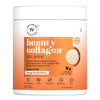 Beauty Korean Marine Collagen Peptides Mango Peach Flavour
₹1,899 – ₹7,036
Beauty Korean Marine Collagen Peptides Mango Peach Flavour
₹1,899 – ₹7,036
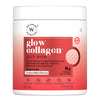 Glow Korean Marine Collagen Peptides with Liposomal Glutathione & Vitamin C | Tropical Bliss Flavour | 250g
₹1,899 – ₹7,036
Glow Korean Marine Collagen Peptides with Liposomal Glutathione & Vitamin C | Tropical Bliss Flavour | 250g
₹1,899 – ₹7,036
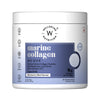 Korean Marine Collagen - Blueberry Mint
₹997 – ₹1,951
Korean Marine Collagen - Blueberry Mint
₹997 – ₹1,951
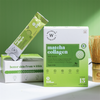 Matcha Collagen
₹1,614
Matcha Collagen
₹1,614
 Pure Korean Marine Collagen Peptides | Unflavored | Combat Signs of Ageing
₹1,709 – ₹6,332
Pure Korean Marine Collagen Peptides | Unflavored | Combat Signs of Ageing
₹1,709 – ₹6,332
 Vegan Pro Collagen Lemon Lime
₹1,439 – ₹2,878
Vegan Pro Collagen Lemon Lime
₹1,439 – ₹2,878
 Vegan Pro Collagen Mixed Berries
₹1,439 – ₹2,878
Vegan Pro Collagen Mixed Berries
₹1,439 – ₹2,878