How to Use Hyaluronic Acid for Radiant Skin
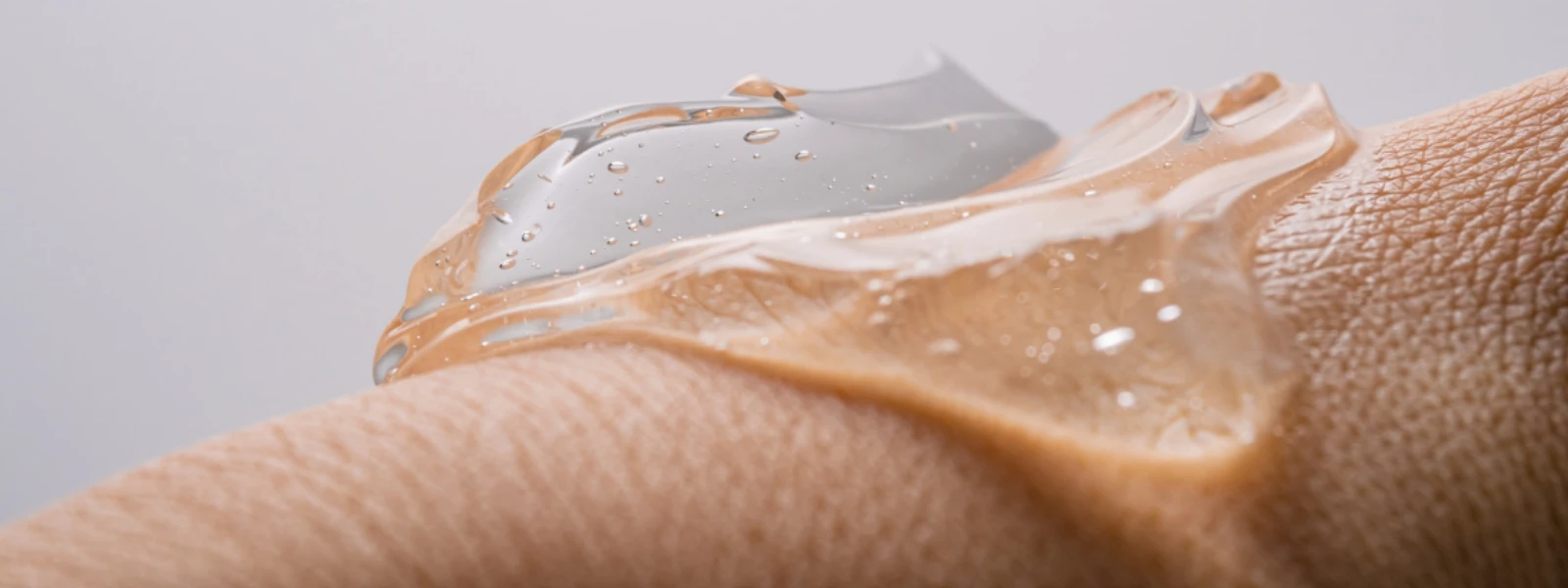


Your skin naturally produces a powerful moisture-retaining molecule that can hold up to 1,000 times its weight in water. This remarkable substance is hyaluronic acid, and understanding its proper use can transform your skincare routine from ordinary to extraordinary. Whether you're dealing with fine lines, dryness, or simply want to maintain healthy, glowing skin, learning about hyaluronic acid uses will help you make informed decisions about this scientifically-backed skincare ingredient.
Hyaluronic acid is a naturally occurring glycosaminoglycan found throughout your body, particularly in your skin, joints, and eyes. Despite its name, it's not actually an acid that exfoliates or irritates the skin. Instead, it functions as a powerful humectant, drawing moisture from the environment and binding it to your skin cells.
The molecular structure of hyaluronic acid consists of repeating units of glucuronic acid and N-acetylglucosamine. This unique structure creates a gel-like substance that can retain massive amounts of water. In your skin, hyaluronic acid helps maintain the extracellular matrix, providing volume, hydration, and structural support.
As we age, our natural hyaluronic acid production decreases significantly. By age 50, your skin contains only about half the hyaluronic acid it had in your twenties. This decline contributes to visible signs of aging, including fine lines, wrinkles, and loss of skin elasticity.
Research consistently demonstrates the multiple ways hyaluronic acid benefits your skin health. The most significant advantage is its exceptional hydrating properties. When applied topically, hyaluronic acid for face applications can increase skin moisture content by up to 96% within just one hour of application.
Beyond hydration, hyaluronic acid offers impressive anti-aging benefits. It helps plump the skin from within, reducing the appearance of fine lines and wrinkles. The increased moisture content creates a smoother skin surface, making existing wrinkles less visible while preventing new ones from forming.
Hyaluronic acid also strengthens your skin's natural barrier function. A healthy skin barrier protects against environmental stressors, pollution, and harmful bacteria while preventing moisture loss. This protective effect is particularly beneficial for those with sensitive or compromised skin.
Did You Know?
A single gram of hyaluronic acid can hold up to six liters of water, making it one of the most effective natural moisturizing factors in skincare science.
Hyaluronic acid serum represents the most concentrated form of topical application. These serums typically contain different molecular weights of hyaluronic acid, allowing for both surface hydration and deeper penetration into the skin layers. Low molecular weight hyaluronic acid can penetrate deeper, while high molecular weight forms create a protective film on the skin's surface.
Hyaluronic acid moisturizer products combine the hydrating benefits with additional emollients and occlusives. These formulations are ideal for daily use and work well for those who prefer a single-step hydration solution rather than layering multiple products.
For targeted treatment, eye creams containing hyaluronic acid address the delicate under-eye area where skin is thinner and more prone to dehydration. These specialized formulations often include smaller molecular weights for better penetration in this sensitive area.
Hyaluronic acid supplements offer an internal approach to skin hydration. These oral supplements may support skin moisture from within, though topical application remains more directly effective for immediate skin benefits.
Proper application technique maximizes hyaluronic acid's effectiveness. Always apply hyaluronic acid to slightly damp skin, as it needs moisture to bind to. If applied to completely dry skin, it may actually draw moisture from deeper skin layers, potentially causing dryness.
The optimal hyaluronic acid dosage for topical use varies by product concentration, but generally, a few drops of serum or a thin layer of moisturizer is sufficient. More is not necessarily better, as excess product may not absorb properly and could cause pilling under makeup or other skincare products.
For best results, incorporate hyaluronic acid into both your morning and evening routines. In the morning, apply it before sunscreen to provide all-day hydration. In the evening, use it after cleansing but before heavier creams or oils to ensure proper absorption.
Hyaluronic acid layers well with most other skincare ingredients. It's particularly effective when combined with Vitamin C in the morning for antioxidant protection and hydration, or with retinol in the evening to counteract potential dryness from retinoid use.
The relationship between hyaluronic acid wrinkles reduction lies in the ingredient's ability to restore volume and smooth skin texture. When skin is properly hydrated, fine lines appear less pronounced, and the overall skin surface looks more even and youthful.
Clinical studies show that regular use of hyaluronic acid can improve skin elasticity by up to 20% after eight weeks of consistent application. This improvement in elasticity contributes to firmer-looking skin and reduced sagging.
For deeper wrinkles, topical hyaluronic acid works best as part of a comprehensive anti-aging routine. While it provides immediate plumping effects, combining it with ingredients like retinoids, peptides, or Vitamin C creates a more robust approach to wrinkle prevention and reduction.
Yes, hyaluronic acid is gentle enough for daily use, both morning and evening. Its natural occurrence in the body makes it suitable for regular application without risk of over-exfoliation or irritation that some other skincare acids might cause.
Apply hyaluronic acid to slightly damp skin for best results. The moisture helps activate the ingredient's water-binding properties. If your skin is completely dry, mist it lightly with water before applying the product.
You may notice immediate hydration benefits within hours of application. For long-term improvements in skin texture and fine line reduction, consistent use for 4-8 weeks typically shows measurable results in clinical studies.
Pure hyaluronic acid rarely causes breakouts as it's non-comedogenic. However, some formulations may contain additional ingredients that could trigger acne in sensitive individuals. Choose oil-free formulations if you're prone to breakouts.
Sodium hyaluronate is the salt form of hyaluronic acid with smaller molecules that can penetrate skin more easily. Both provide similar benefits, but sodium hyaluronate may offer slightly better absorption in topical applications.
Hyaluronic acid stands out as one of the most scientifically-backed and versatile ingredients in modern skincare. Its exceptional ability to hydrate, plump, and protect skin makes it valuable for virtually all skin types and ages. From reducing the appearance of fine lines to maintaining healthy skin barrier function, the benefits extend far beyond simple moisturization. By understanding proper application techniques and choosing quality formulations, you can harness the full potential of this remarkable molecule for healthier, more radiant skin. Whether you're just beginning your skincare journey or looking to enhance an existing routine, hyaluronic acid offers a gentle yet effective approach to achieving your skin health goals.




Someone sent you
Powered by ReferRush


