Ultimate Guide: Boost Skin Hydration with Collagen
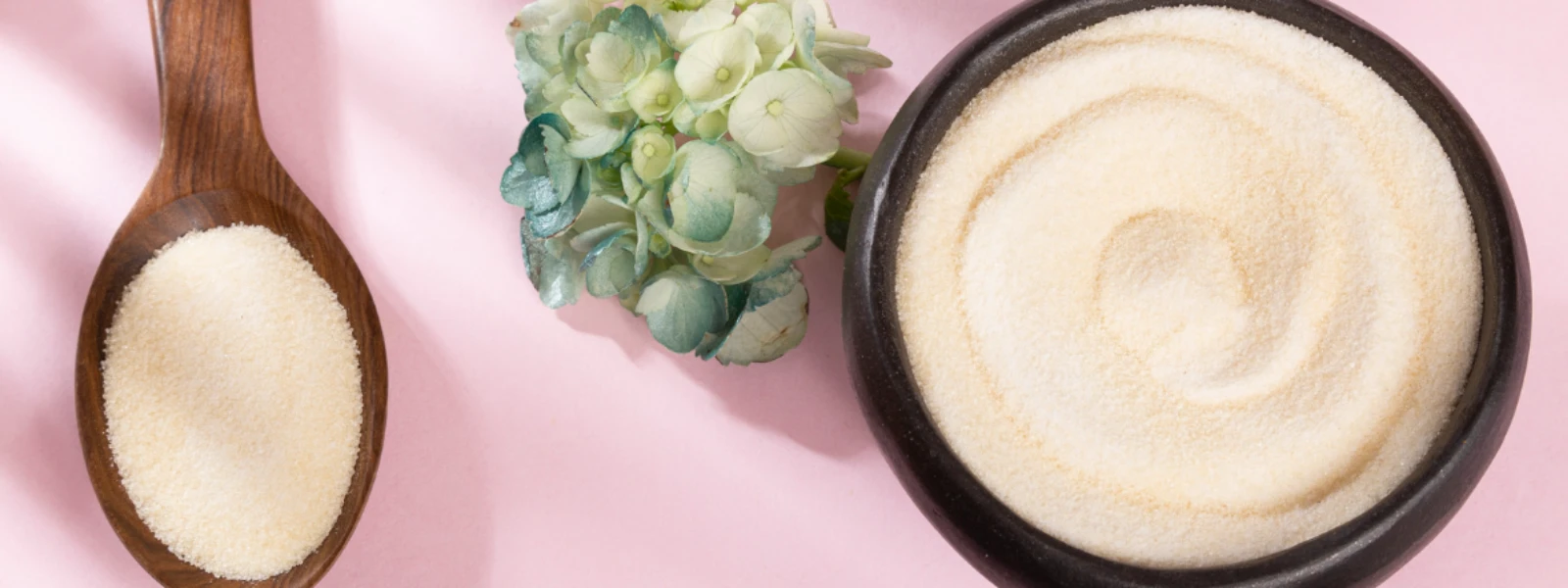


Your skin loses about 1% of its collagen every year after age 25. This natural decline directly impacts your skin's ability to retain moisture, leading to dryness, fine lines, and loss of that youthful glow. But here's the good news: emerging research shows that collagen peptides and hydration work together in remarkable ways to restore your skin's moisture barrier and bring back that plump, radiant complexion.
This comprehensive guide explores the science behind how collagen peptides transform skin hydration. You'll discover the proven mechanisms that make collagen supplements effective for hydration, learn about optimal dosing strategies, and understand realistic timelines for visible results. Whether you're dealing with dry skin or simply want to maintain healthy hydration levels, this evidence-based approach will help you make informed decisions about incorporating collagen into your skincare routine.
Collagen peptides are small chains of amino acids derived from breaking down larger collagen proteins through a process called hydrolysis. This breakdown makes them highly bioavailable, meaning your body can absorb and use them more effectively than whole collagen proteins.
The molecular weight of collagen peptides typically ranges from 2,000 to 5,000 daltons. This specific size allows them to pass through your intestinal wall and enter your bloodstream, where they can travel to skin cells and stimulate natural collagen production.
Marine collagen peptides, sourced from fish, tend to have smaller molecular weights compared to bovine or porcine sources. Research suggests that marine collagen may offer superior absorption rates, with studies showing up to 1.5 times better bioavailability than other sources.
The relationship between collagen peptides and hydration involves several sophisticated biological mechanisms. When you consume collagen peptides, they signal your skin cells to increase production of natural moisturizing factors (NMF) in the stratum corneum, your skin's outermost protective layer.
Clinical studies demonstrate that collagen peptides stimulate hyaluronic acid production in skin cells. Hyaluronic acid can hold up to 1,000 times its weight in water, making it crucial for maintaining skin moisture. A landmark study published in the Journal of Cosmetic Dermatology found that participants taking 2.5 grams of collagen peptides daily experienced a 28% improvement in skin hydration after eight weeks.
Collagen peptides also help repair the skin moisture barrier by promoting the synthesis of ceramides and other lipids that prevent water loss. This dual action of increasing water retention while reducing transepidermal water loss creates a powerful hydration effect.
The hydrated skin benefits from collagen supplementation extend beyond surface-level improvements. Research shows that collagen peptides increase the skin's water-binding capacity at the cellular level. This enhanced moisture retention leads to improved skin plumpness and that coveted dewy appearance.
Studies measuring transepidermal water loss (TEWL) consistently show reductions of 10-15% in participants taking collagen supplements. Lower TEWL indicates a stronger moisture barrier, which means your skin can maintain hydration more effectively throughout the day.
The increased water content in skin cells also improves nutrient delivery and waste removal, supporting overall skin health and contributing to a more radiant complexion.
Beyond hydration, collagen peptides significantly impact skin elasticity. When collagen peptides reach skin cells, they stimulate fibroblasts to produce new collagen and elastin fibers. This process helps restore the skin's structural integrity and bounce-back ability.
Clinical trials show that regular collagen supplementation can improve skin elasticity by up to 20% within 12 weeks. Participants also report noticeable reductions in fine lines and wrinkles, with some studies documenting improvements in skin roughness and overall texture.
The combination of improved hydration and enhanced elasticity creates a synergistic effect, where well-hydrated skin appears firmer and more youthful while maintaining its natural flexibility.
Did You Know?
Your skin contains about 75% collagen by dry weight, making it the most abundant protein in your skin. When collagen levels decline, your skin loses both its structure and its ability to retain moisture effectively.
Type I collagen makes up about 80% of your skin's collagen and provides the primary structural framework. Supplements containing Type I collagen peptides show the strongest evidence for improving skin hydration and reducing signs of aging.
Type III collagen works alongside Type I to provide skin elasticity and flexibility. While less abundant, Type III collagen plays a crucial role in maintaining skin's youthful appearance and moisture retention capabilities.
The optimal peptide size for skin benefits falls within the 2-5 kilodalton range. Peptides in this size range can effectively penetrate the intestinal barrier and reach skin cells where they exert their hydrating effects.
Collagen powder typically offers the highest bioavailability because it dissolves completely in liquids, allowing for rapid absorption. Most clinical studies showing positive hydration results use powdered collagen peptides.
Capsules provide convenience but may have slightly lower absorption rates due to the time needed for the capsule to dissolve. However, high-quality encapsulated collagen can still deliver effective results when taken consistently.
Liquid collagen supplements often contain additional ingredients that may enhance or interfere with absorption. While convenient, they typically provide smaller doses compared to powder forms.
Combining collagen peptides with hyaluronic acid creates a powerful hydration duo. While collagen stimulates your body's natural moisture-retaining mechanisms, hyaluronic acid provides immediate hydration benefits.
Research suggests that this combination may enhance overall skin hydration more effectively than either ingredient alone. The optimal ratio appears to be approximately 5-10 grams of collagen peptides with 100-200 milligrams of hyaluronic acid daily.
For optimal collagen peptides benefits, timing matters significantly. Taking collagen on an empty stomach, either first thing in the morning or at least two hours after meals, maximizes absorption. The amino acids in collagen compete with other proteins for absorption, so isolated consumption ensures better uptake.
When incorporating collagen for dry skin into your routine, increase your water intake to support the hydration process. Collagen peptides work best when your body has adequate water to support the moisture-binding mechanisms they stimulate.
Consider splitting your daily collagen dose between morning and evening to maintain consistent amino acid levels in your bloodstream throughout the day.
Your diet plays a crucial role in supporting collagen synthesis and skin hydration. Vitamin C is essential for collagen production, so include citrus fruits, berries, and leafy greens in your daily meals. Zinc and copper also support collagen formation and can be found in nuts, seeds, and lean proteins.
Quality sleep directly impacts skin hydration and collagen production. During deep sleep, your body repairs and regenerates skin cells, making adequate rest crucial for maximizing collagen supplement benefits.
Chronic stress elevates cortisol levels, which can break down existing collagen and impair new collagen synthesis. Stress management techniques like meditation, exercise, and adequate sleep support your skin's natural hydration processes.
UV exposure accelerates collagen breakdown and impairs skin hydration. Daily sunscreen use with at least SPF 30 protects your investment in collagen supplementation by preventing additional collagen damage.
Indoor heating and air conditioning can reduce skin moisture levels. Using a humidifier in your living and sleeping spaces helps maintain optimal humidity levels for skin hydration.
Harsh skincare products can compromise your skin moisture barrier, counteracting the benefits of collagen supplementation. Choose gentle, hydrating cleansers and avoid over-exfoliation.
Understanding realistic expectations helps you stay consistent with supplementation. During weeks 1-4, you may notice subtle improvements in skin texture and hydration levels. Your skin might feel softer and appear slightly more plump.
Months 2-3 typically bring more noticeable changes in skin elasticity and overall appearance. Fine lines may appear less pronounced, and your skin's natural glow often becomes more apparent during this period.
Maximum benefits usually occur between months 3-6 of consistent supplementation. This timeline reflects the natural turnover rate of skin cells and the time needed for new collagen synthesis to accumulate.
Track your skin's hydration levels by paying attention to how your skin feels throughout the day. Well-hydrated skin should feel supple and comfortable, without tightness or flaking.
Take progress photos in consistent lighting conditions to document changes in skin texture and appearance. Monthly photos can help you notice gradual improvements that might be difficult to perceive day-to-day.
Monitor how your skin responds to environmental stressors like weather changes or air travel. Improved skin barrier function from collagen supplementation often results in better resilience to these challenges.
Most people tolerate collagen peptides well, but some may experience mild digestive symptoms when first starting supplementation. These typically resolve within a few days as your digestive system adjusts.
If you have allergies to fish, beef, or pork, choose your collagen source carefully. Marine collagen may not be suitable for those with fish allergies, while bovine collagen should be avoided by those with beef sensitivities.
Start with a lower dose (2.5-5 grams daily) and gradually increase to the full recommended amount to minimize any digestive discomfort.
Look for collagen supplements that undergo third-party testing for purity and potency. This ensures you're getting the stated amount of collagen peptides without harmful contaminants.
Choose products from reputable manufacturers who provide transparency about their sourcing and processing methods. Grass-fed bovine or wild-caught marine sources typically offer higher quality collagen.
Avoid products with unnecessary additives, artificial colors, or excessive sweeteners that might interfere with absorption or cause digestive issues.
Research supports daily doses of 5-10 grams of collagen peptides for skin hydration benefits. Most clinical studies showing positive results use doses within this range, with 2.5-5 grams being effective for maintenance and 5-10 grams for more significant improvements.
Consistency matters more than timing perfection. Taking your collagen supplement at the same time each day helps establish a routine and ensures steady amino acid availability for skin repair processes.
Consider cycling your supplementation with periods of higher doses (10 grams) for 2-3 months followed by maintenance doses (5 grams) to optimize results while managing costs.
Vitamin C enhances collagen synthesis and should be consumed alongside collagen supplements. Aim for 75-90 milligrams daily from food sources or supplements.
Biotin and zinc support skin health and collagen formation. These nutrients work synergistically with collagen peptides to improve overall skin hydration and appearance.
Antioxidants like Vitamin E and selenium protect existing collagen from damage while supporting the formation of new collagen fibers.
Yes, clinical studies consistently show that collagen peptides improve skin hydration by increasing natural moisturizing factors and reducing water loss through the skin barrier. Participants typically see 15-28% improvements in skin hydration within 8-12 weeks of consistent supplementation.
Most people notice initial improvements in skin texture and hydration within 2-4 weeks of starting collagen supplementation. More significant changes in skin elasticity and overall appearance typically become visible after 8-12 weeks of consistent use.
Yes, collagen peptides work well with other skin-supporting nutrients like hyaluronic acid, Vitamin C, and biotin. These combinations often enhance overall results by supporting different aspects of skin health and hydration.
Take collagen on an empty stomach for optimal absorption, either first thing in the morning or at least two hours after meals. This timing ensures the amino acids don't compete with other proteins for absorption.
Increase your water intake to at least 8-10 glasses daily when taking collagen supplements. Adequate hydration supports the moisture-binding mechanisms that collagen peptides stimulate in your skin.
The science behind collagen peptides and hydration reveals a powerful relationship that can transform your skin's moisture levels and overall appearance. Through multiple mechanisms including enhanced natural moisturizing factor production, improved hyaluronic acid synthesis, and strengthened skin barrier function, collagen peptides offer a scientifically-backed approach to achieving lasting skin hydration. With consistent supplementation of 5-10 grams daily, most people can expect to see meaningful improvements in skin hydration within 8-12 weeks, along with additional benefits like improved elasticity and reduced fine lines. Remember that collagen supplements work best as part of a comprehensive approach that includes adequate water intake, sun protection, and a nutrient-rich diet. For those seeking to enhance their skin's natural hydration and maintain a youthful, glowing complexion, collagen peptides represent a valuable addition to any science-based skincare routine.




Someone sent you
Powered by ReferRush


